
Plants
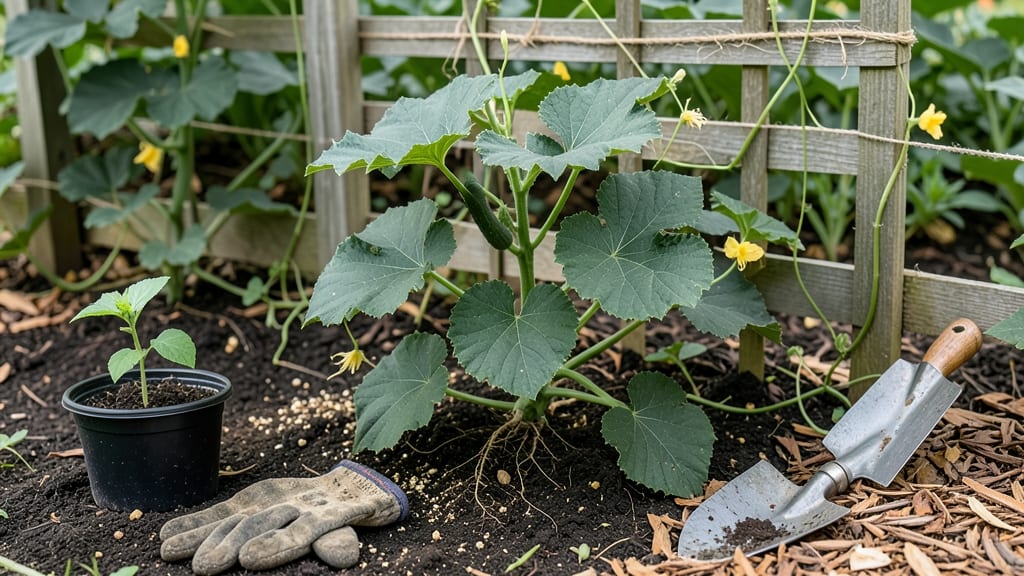
Knowing when to plant cucumber seeds in NC can mean the difference between a bountiful harvest and wasted effort—especially when your 🥒 plants face North Carolina’s shifting frost dates and sweltering summers.
The wrong timing leaves you scrambling to protect tender seedlings from late freezes or watching your vines wilt under early heatwaves.
Most gardeners in zones 7a-8b wait until after the last frost (typically mid-April), but the real secret lies in soil temperature—wait until it hits at least 60°F for those seeds to germinate reliably.
That window opens around April 15 in most of the state, but coastal areas can plant even earlier.
Here’s what you need to know: how to time your planting for maximum yield, adjust for early vs. late varieties, and avoid the 3 biggest mistakes that derail NC cucumber gardens. Let’s get your 🥒 plants off to the right start.
Whether you’re sowing directly in the ground or using containers, these heat-zone-specific tips will help you beat the clock—so you’re harvesting crisp cucumbers from June through October instead of crossing your fingers for a miracle crop.
North Carolina heat Zones: best planting dates for cucumber seeds
North Carolina spans USDA Heat Zones 6a through 8b, meaning your last frost date can vary by 3-4 weeks from the mountains to the coast. For cucumbers, which thrive in warm soil (60°F+), timing your planting to these zones ensures healthy germination and a long harvest window.
Most NC gardeners aim to plant cucumber seeds 2-3 weeks after the last frost, but exact dates depend on your microclimate.
In Zone 6a (western NC, like Asheville), where frosts linger until mid-April, your ideal planting window starts around May 1.
Meanwhile, in Zone 8b (coastal NC, like Wilmington), where winters are mild, you can begin sowing seeds as early as March 15 for an early spring harvest. Understanding these variations helps you avoid frost damage while maximizing your growing season.
🌱 North Carolina Cucumber Planting Timeline by Heat Zone
| Heat Zone | Last Frost Date | Optimal Planting Window | Soil Temp for Germination | Harvest Window |
|---|---|---|---|---|
| 6a (Asheville, Boone) | Mid-April | May 1 - May 15 | 60°F+ (15°C+) | July - September |
| 7a (Raleigh, Greensboro) | Late March | April 15 - April 30 | 60°F+ (15°C+) | June - October |
| 7b (Charlotte, Fayetteville) | Early March | April 1 - April 15 | 60°F+ (15°C+) | May - October |
| 8a (Durham, Wilmington) | Late February | March 15 - April 1 | 60°F+ (15°C+) | April - November |
| 8b (Outer Banks, Coastal) | Early February | March 1 - March 15 | 60°F+ (15°C+) | March - December |
🌱 Adjust dates 1-2 weeks earlier for container planting or 1-2 weeks later for in-ground planting in cooler microclimates.
If you're in Zone 6a or 7a, consider using row covers to extend your planting window by 2-3 weeks earlier. These lightweight fabrics protect seedlings from late frosts while allowing sunlight and air circulation.
For example, in Raleigh (Zone 7a), you might start seeds under row covers as early as April 1 and remove them once nighttime temperatures stay above 50°F.
For gardeners in coastal NC (Zones 8a-8b), the real challenge isn’t frost—it’s humidity and heat. Planting too early can lead to powdery mildew or blossom-end rot, so wait until soil temperatures consistently reach 65°F+ before sowing.
In Wilmington (Zone 8a), this often means delaying planting until mid-April to avoid these issues.
Always check your local frost dates using resources like the NC State Extension Service or Almanac’s Frost Calculator. These tools provide hyper-localized data that can shift planting windows by 1-2 weeks depending on elevation or proximity to water bodies.
For instance, mountain regions may experience frost 2 weeks later than valley areas just 30 miles away.
Once you’ve nailed down your planting window, focus on soil preparation. Cucumbers prefer well-draining, slightly acidic soil (pH 6.0-6.8). Amend your soil with compost or aged manure 2-3 weeks before planting to ensure nutrients are available when seeds germinate.
In sandy soils (common in eastern NC), mix in peat moss or coconut coir to retain moisture.
Pro tip: Use a soil thermometer to confirm your soil is ready. Cucumber seeds won’t germinate below 60°F, and growth slows dramatically below 70°F. In western NC, where soils warm slowly, consider using black plastic mulch to raise soil temperatures by 5-10°F and speed up germination.
Finally, plan for succession planting if you want a continuous harvest. In Zones 7a-8b, you can make 2-3 sowings spaced 2 weeks apart from
How to adjust planting time for early vs late varieties
North Carolina’s long growing season lets you grow cucumbers twice—once in spring and again in fall. The key? Choosing the right varieties and adjusting your planting timeline. Early varieties like 'Straight Eight' can handle cooler soil, while heat-tolerant types like 'Southern Sweet' thrive in summer’s swelter.
For spring plantings, start seeds indoors 4-6 weeks before your last frost date (typically mid-March to early April in most of NC). Transplant seedlings outdoors after soil reaches 60°F+—usually by mid-April to early May, depending on your heat zone.
For fall harvests, opt for heat-tolerant varieties and plant seeds directly outdoors late July to early August. Use row covers to extend the season until mid-October, protecting young plants from unexpected chilly nights.
If you’re growing cucumbers in containers, time your planting to match your container size. Smaller pots (under 5 gallons) dry out faster, so focus on bush varieties like 'Bush Champion' and plant after the last frost.
Larger containers can handle vining types and give you a longer harvest window.
Pro tip: Keep a planting journal to track your cucumber varieties and their performance. Note which varieties thrive in your specific NC heat zone and adjust future plantings accordingly. For example, Zone 7b gardeners might plant earlier than those in Zone 8a.
Don’t forget that soil temperature is just as critical as air temperature. Use a soil thermometer to confirm your soil is ready—cucumber seeds need 60-90°F soil to germinate properly. If your soil is too cold, wait a few extra days or use black plastic mulch to warm it up faster.