
Plants
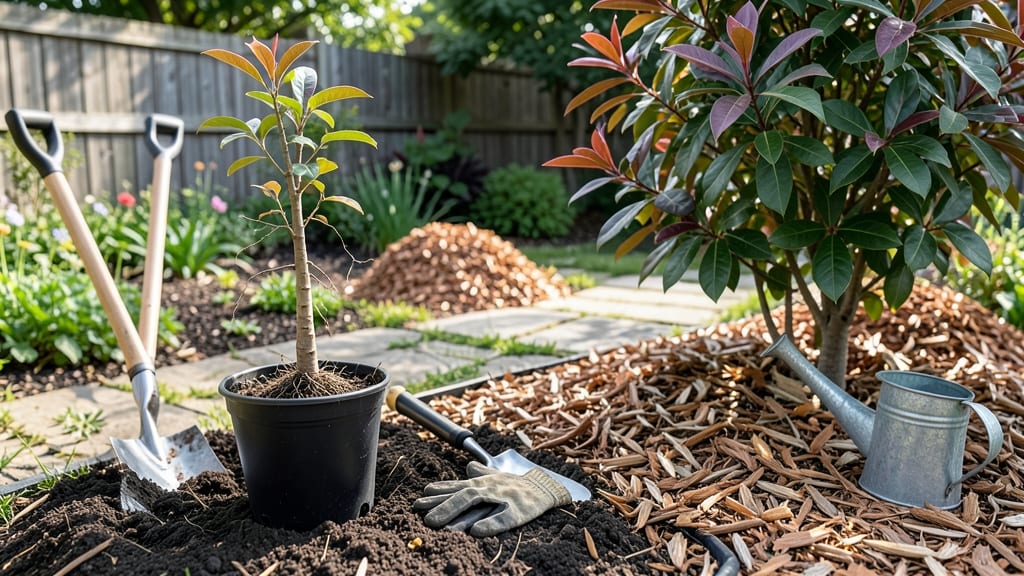
Timing your crepe myrtle 🌸 planting in Florida isn’t just about avoiding frost—it’s about beating the brutal summer heat that can fry young roots before they even take hold.
If you plant too late, your tree might struggle to establish itself, leaving you with sparse blooms instead of the dramatic summer displays you’re dreaming of.
Here’s the secret: Florida’s climate lets you plant crepe myrtles year-round, but the best windows are early spring (February-March) or late fall (September-October). These months give your tree a fighting chance to root deeply before the extreme heat or cold sets in.
Whether you’re in North Florida’s cooler zones or the tropical South, I’ll break down exactly when to dig in—plus how to prep your soil and protect your plant from Florida’s wild weather swings. Let’s get those bold blooms growing strong.
No more guessing games—just clear deadlines and actionable tips so your crepe myrtle thrives from day one. Ready to plant with confidence?
Florida heat zones: best planting months by region for crepe myrtle success
Florida’s diverse heat zones—ranging from Zone 8A in the Panhandle to Zone 11 in the Keys—mean planting times vary dramatically. In North Florida (Zones 8A-9B), cooler winters and occasional frost demand early spring or late fall planting to avoid cold damage.
Meanwhile, Central and South Florida (Zones 10A-11) can plant year-round, but spring and fall remain ideal for optimal root establishment.
Crepe myrtles thrive in Florida’s heat, but timing is everything. Planting during peak summer heat stresses young roots, while late fall risks exposure to rare cold snaps.
My strategy? Aim for January through March in North Florida and September through November in South Florida—these windows balance soil warmth and rainfall patterns for success.
🌱
🌿 Florida Crepe Myrtle Planting Timeline by Heat Zone
| Heat Zone | Best Planting Window | Soil Temp Threshold | Key Considerations |
|---|---|---|---|
| 8A-9B (Panhandle) | Jan-Mar, Sep-Oct | 55°F+ | Avoid frost risk; mulch heavily |
| 9A-10A (Central FL) | Feb-Apr, Sep-Nov | 60°F+ | Watch for summer heat stress |
| 10B-11 (South FL) | Year-round (best Sep-Nov) | 65°F+ | Container planting ideal for urban areas |
In North Florida’s cooler zones (8A-9B), I always plant crepe myrtles in early spring (January-March) to capitalize on warmer soil temperatures before summer’s intensity. For Central Florida (Zones 9A-10A), September-October offers the perfect balance—soils stay warm, but hurricane season risks decline.
Meanwhile, South Florida gardeners (Zones 10B-11) can plant almost anytime, but late fall gives roots time to establish before summer’s peak.
Pro tip: Use a soil thermometer to confirm 55°F+ soil temps before planting—crepe myrtles hate cold roots! In Zone 8A, I’ve seen young trees suffer when planted too late in fall, so I always err on the early side.
For container planting, timing matters less, but spring or fall still minimizes stress.
🌡️
Florida’s microclimates add another layer of complexity. Coastal areas like Tampa or Miami stay warmer longer, while inland cities like Orlando or Gainesville experience more temperature swings. My rule of thumb? Add 2-4 weeks to planting windows in inland regions to account for cooler nights.
For example, Gainesville (Zone 8B) might need March-April planting instead of January-February.
Don’t overlook rainfall patterns—Florida’s summer downpours can drown young roots, while dry winters stress newly planted trees. I always schedule planting during Florida’s dry seasons (November-April) to avoid waterlogged soil. In South Florida’s wetter zones, I opt for elevated beds or container growing to prevent root rot.
💧
For urban gardeners, container planting extends flexibility. Potted crepe myrtles can go in anytime, but spring or fall still yields the best results. I’ve had success with 5-gallon pots in Miami’s Zone 11, moving them to shadier spots during peak summer heat.
Just ensure pots have drainage holes and use well-draining soil mixes to prevent root rot.
Finally, local nurseries are your best resource. They stock Florida-native or heat-tolerant varieties like ‘Natchez’ or ‘Muskogee’, which thrive in our climate. Ask when they prune and fertilize—their timing often aligns with optimal planting windows.
My go-to? Planting after first flush of blooms in spring or before first frost warnings in fall.
☀️
Signs your crepe myrtle planting timing is perfect (or terrible)
Planting your crepe myrtle at the right time in Florida isn’t just about checking a calendar—it’s about reading your soil and weather patterns. The ideal window offers warm soil (at least 60°F) and moderate humidity, which helps roots establish before summer’s brutal heat arrives.
If you plant too early, frost can still sneak in (especially in North Florida), while late planting risks heat stress or drought.
One of the first signs of perfect timing is consistent soil moisture without standing water. Stick your finger 2 inches deep—if it feels damp but not soggy, your crepe myrtle is ready.
Pair this with mild temperatures (between 65°F and 85°F) and you’re golden. For Central/South Florida, aim for January through April or September through November to avoid the worst heat.
🌱
⚠️ Warning Signs of Terrible Timing
- Wilting leaves within days of planting = heat stress or overwatering.
- Yellowing foliage = cold soil or root rot from soggy conditions.
- Slow growth after 4-6 weeks = poor timing or nutrient deficiency.
Act fast! If you see these signs, mulch heavily and water deeply to recover.
For North Florida gardeners (Zones 8A-9B), watch for frost warnings—even in spring. Plant after your last frost date (typically mid-March) but before May, when temperatures soar.
In South Florida (Zones 10A-11), you’ve got more flexibility, but avoid June through August when intense sun and drought can shock young roots.
Pro tip: Test your soil 2 weeks before planting. A pH between 6.0 and 7.0 is ideal for crepe myrtles. If your soil is too acidic, amend it with lime; if it’s too alkaline, add sulfur or peat moss.
This small step can make or break your tree’s survival.
Don’t ignore rainfall forecasts either. Planting during dry spells forces you to hand-water daily, while heavy rains can wash away nutrients. Aim for 5-10 days of dry weather after planting to let roots settle without waterlogging.
Finally, trust your crepe myrtle’s natural cues. If new growth appears within 2-3 weeks of planting and leaves stay vibrant green, you’ve nailed the timing. But if your tree drops leaves or stops growing after a month, it’s time to reassess your planting window or care routine. 🌿