
Plants
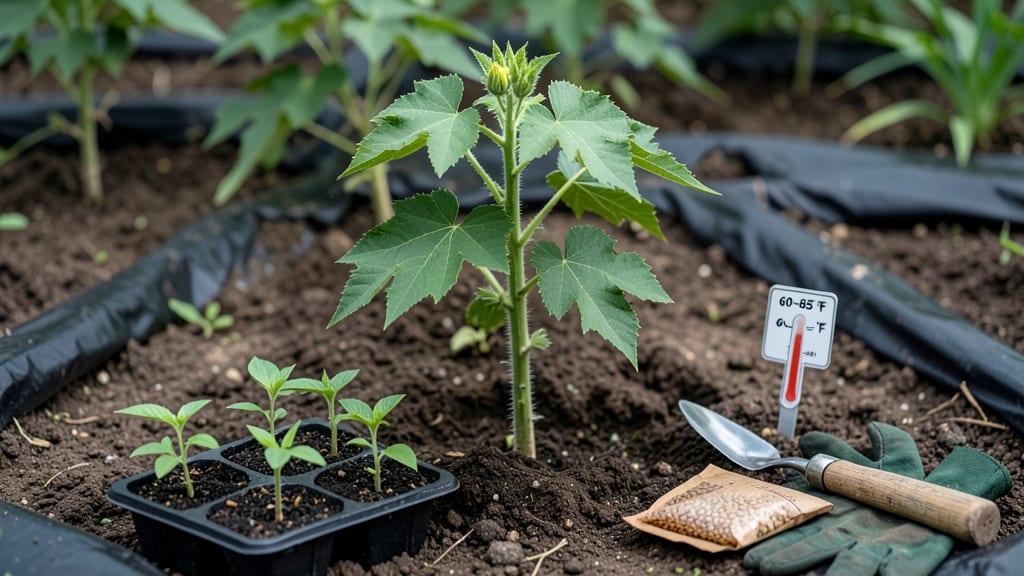
Timing your cotton planting in North Carolina could mean the difference between a lush, productive crop and a disappointing flop—especially when late frosts or early heat waves throw off your schedule.
With the right window, you’ll unlock stronger growth and higher yields, but get it wrong, and even the hardiest varieties struggle to take root.
Most gardeners in NC’s 7a-8b zones know the magic happens between mid-April and mid-May, but the devil’s in the details. Coastal regions like Wilmington can plant earlier, while the Piedmont’s cooler springs demand patience until soil warms to 60°F+.
I’ll break down exactly when to start seeds indoors (or direct-sow) based on your microclimate.
You’ll also discover how to adjust for early vs. late varieties—because rushing a slow-maturing type into the ground too soon can leave you scrambling when summer heat arrives. Plus, I’ll share pro tips for soil prep that keep cotton thriving through NC’s humidity and unpredictable spring weather.
Whether you’re a first-time grower or a seasoned farmer, nailing those planting dates is the key to cotton that stands tall and bolls out beautifully. Let’s get your crop off to the right start.
North Carolina heat zones and cotton planting deadlines by region
North Carolina’s diverse climate—spanning from the Coastal Plain to the Mountains—creates distinct planting zones for cotton. Each region has unique last frost dates and soil temperature requirements, so timing is critical for successful germination. Let’s break down the ideal windows by NC’s USDA zones.
Cotton thrives in zones 7A-8B, but the exact planting window varies. For example, the Piedmont region (zone 7A-7B) has a later frost risk than the Coastal Plain (zone 8A-8B). Always check your local frost-free date—typically mid-April to early May—before planting.
| Region | USDA Zone | Last Frost Date | Ideal Planting Window | Soil Temp for Germination |
|---|---|---|---|---|
| Coastal Plain | 8A-8B | Mid-March | Late March - Early April | 60°F+ |
| Piedmont | 7A-7B | Mid-April | Early to Mid-April | 65°F+ |
| Mountains | 6B-7A | Late April | Late April - Early May | 70°F+ |
In the Coastal Plain, where winters are milder, you can plant cotton as early as late March—but only if the soil is consistently above 60°F. In contrast, the Mountains demand patience; wait until late April to avoid frost damage. Use a soil thermometer to confirm readiness.
If you’re in zone 7A or cooler, opt for early-maturing varieties (like ‘Deltapine 15’) to ensure harvest before the first frost in November. These varieties take 120-150 days to mature, so plant by early May at the latest.
For zone 8A-8B (Coastal Plain), you have more flexibility. Plant between late March and early April for a longer growing season. However, avoid planting after mid-May, as late-season cotton may not reach maturity before fall rains increase disease risk.
Pro tip: Use black plastic mulch to warm soil faster in cooler zones. This can shave off 1-2 weeks from your planting timeline by raising soil temperatures by 5-10°F. Just ensure it’s removed before flowering to prevent heat stress.
Always monitor your local extended weather forecast—unpredictable spring frosts can still occur. If frost is forecasted within 48 hours of planting, delay until temperatures stabilize. Cotton seedlings are extremely frost-sensitive and will die if exposed to temps below 50°F.
For container growing, adjust your timeline by 2-3 weeks later than in-ground planting. Pots heat up slower, and roots struggle to maintain consistent warmth. Place containers in a sunny, sheltered spot to maximize soil temperature.
Finally, consider microclimates in your area. A south-facing slope warms up faster than a north-facing valley, so you may plant earlier in those spots. Observe your garden’s unique conditions for 1-2 years to refine your timing.
Timing your cotton planting to NC’s heat zones ensures strong, healthy plants ready to produce fluffy bolls by harvest season. With the right preparation, you’ll be picking cotton in August or September—just in time for cooler weather! 🌿
North Carolina heat zones and cotton planting deadlines by region
North Carolina’s diverse climate—from the humid Coastal Plain to the cooler Mountains—creates distinct planting windows for cotton. Understanding your USDA hardiness zone (5A-8B) ensures you plant at the optimal time for strong germination and growth. The key factor? Soil temperature must reach at least 60°F (15°C) before planting.
Most of NC experiences its last frost between mid-March and early April, but this varies dramatically by region. For example, Zone 8B (eastern NC) can plant as early as late March, while Zone 5A (western Mountains) may need to wait until mid-May.
Always check your local NC State Climate Office for precise frost dates.
Here’s a breakdown of planting deadlines by region, including soil temperature targets and ideal germination periods for cotton seeds.
| Region | USDA Zone | Last Frost Date | Planting Window | Soil Temp for Planting | Germination Time |
|---|---|---|---|---|---|
| Coastal Plain | 8A-8B | Mid-March | Late March - April 15 | 60°F+ (15°C+) | 7-10 days |
| Piedmont | 7A-7B | Early April | April 15 - May 1 | 60°F+ (15°C+) | 7-10 days |
| Mountains | 5A-6B | Mid-April | May 1 - May 15 | 65°F+ (18°C+) | 10-14 days |
*Germination time may extend in cooler mountain regions.
If you’re in a transition zone (e.g., near the Sandhills or Blue Ridge Escarpment), err on the side of caution and wait until mid-April. Cotton seeds won’t germinate below 55°F (13°C), and cold, wet soil can lead to damping-off disease, which kills seedlings before they sprout.
For direct-sown cotton (the most common method for home growers), aim to plant seeds 2-3 weeks after your last frost date. This gives the soil time to warm up and reduces the risk of seed rot.
In Zone 8B, this could mean planting by April 1, while Zone 6B growers should wait until May 1.
Pro tip: Use a soil thermometer to confirm your soil’s temperature before planting. If it’s below 60°F, wait another week—your cotton seeds will thank you with faster, healthier growth! 🌱