
Plants
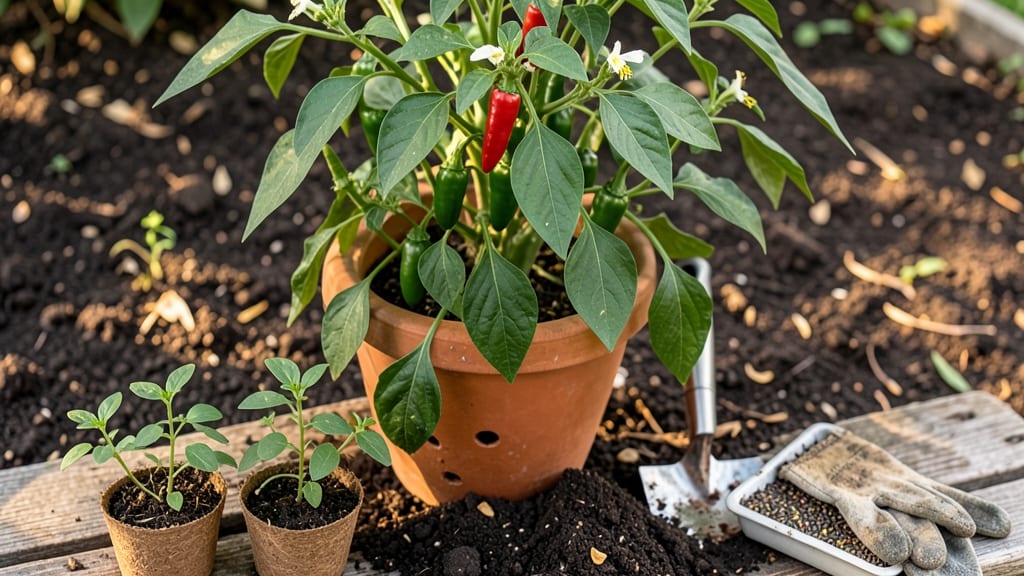
Timing your chillies 🌱 planting in the UK could mean the difference between a bumper harvest and a sad, frost-nipped failure. With the right start dates, you can beat the British climate and enjoy fiery peppers from your garden—even in cooler regions.
Most gardeners begin sowing seeds indoors as early as February, but the exact moment depends on where you live. In the milder south, you might transplant outdoors by May, while northern growers often wait until June to avoid late frosts.
Let’s break down the best times for your specific area.
If you’ve ever rushed to plant chillies only to watch your seedlings shrivel in a cold snap, you’ll want to skip the guesswork. I’ll share the exact frost-free windows for England, Scotland, and Wales, plus clever tricks to stretch your growing season with cloches or polytunnels.
Ready to turn your garden into a chilli powerhouse? By the end, you’ll know exactly when to start seeds, how to protect your plants, and which varieties thrive in UK summers. Let’s get those peppers growing!
UK chilli planting dates by region: frost-free deadlines
Timing your chilli planting is the single most critical factor for success in the UK. Unlike warmer climates, our cool summers and unpredictable frosts demand precise planning.
The key is to start seeds indoors 8-10 weeks before your region's last frost date, then transplant outdoors only after the soil warms to 15°C (59°F) consistently.
Here’s the breakdown: Southern England enjoys earlier planting windows (March-April indoors), while Scotland’s chillier climate requires indoor starts as early as February for a viable harvest. Wales and Northern Ireland fall somewhere in between, with late April to early May being the sweet spot for outdoor transplanting.
🌱
For coastal gardeners, I recommend pushing outdoor planting to June—cooler ocean breezes delay soil warming. Inland areas, however, can often plant 2-3 weeks earlier thanks to warmer microclimates. Always check your local Met Office frost forecasts to refine your timeline.
If you’re in Zone 8-9 (southern UK), aim for early April indoor starts with outdoor transplanting by mid-May. In Zone 7 (Midlands), shift to late March indoor starts and wait until late May.
For Zone 6 or colder (Scotland/Northern Ireland), January-February starts are essential for any harvest.
🌡️
Pro tip: Use a soil thermometer to confirm 15°C (59°F) soil temps before transplanting. Chillies are tropical plants and won’t thrive in cooler soils.
If your garden is still chilly, extend the season with cloches or fleece—I’ve had success with mini polytunnels in Zone 7, adding 4-6 weeks to the growing season.
One common mistake I see is planting outdoors too early in hopes of a longer season. Chillies won’t recover from cold stress, and stunted growth leads to poor yields or no fruit. Always prioritize warm soil and air temps over calendar dates.
For container growing, which is ideal for urban UK gardeners, start seeds 4 weeks earlier than your region’s outdoor timeline. Pots warm up faster and can be moved to sunniest spots once nighttime temps stay above 10°C (50°F).
Just ensure your containers have drainage holes to prevent root rot.
☀️
UK chilli planting dates by region: frost-free deadlines
Timing your chilli planting in the UK depends entirely on your region’s frost-free window. The south enjoys warmer springs, while northern areas like Scotland face later last-frost dates—sometimes as late as mid-June.
For most UK gardeners, starting seeds indoors in February or March gives your plants a head start before transplanting outdoors in May or June. Let’s break down the exact dates for your area.
In England and Wales, the average last frost occurs between mid-April and early May, making this the ideal window for transplanting seedlings outdoors. However, coastal areas often warm up faster than inland spots, so adjust accordingly.
For Scotland and Northern Ireland, wait until late May to June—frost risks linger longer here, and rushing can mean lost plants.
Here’s a quick reference for your region’s indoor sowing and outdoor transplanting deadlines:
If you’re unsure about your local frost dates, check the Met Office’s frost forecast or ask nearby gardeners—they’ve likely learned the hard way! A general rule is to wait until soil temperatures hit 15°C (60°F) before transplanting, as chillies thrive in warmth.
For coastal gardens, you might transplant a week earlier due to milder microclimates.
Missed the outdoor window? Don’t panic—many gardeners in colder regions use polytunnels or containers to extend the season. I’ll cover these tricks in the next section, so you can still enjoy a harvest even if your frost-free date slips. The key is planning ahead and knowing your local climate quirks.
Pro tip: Mark your calendar for May 1st as a safe bet for most of England and Wales, but always have a backup plan like fleece covers. Your chillies will thank you with a fiery harvest! 🌱