
Plants
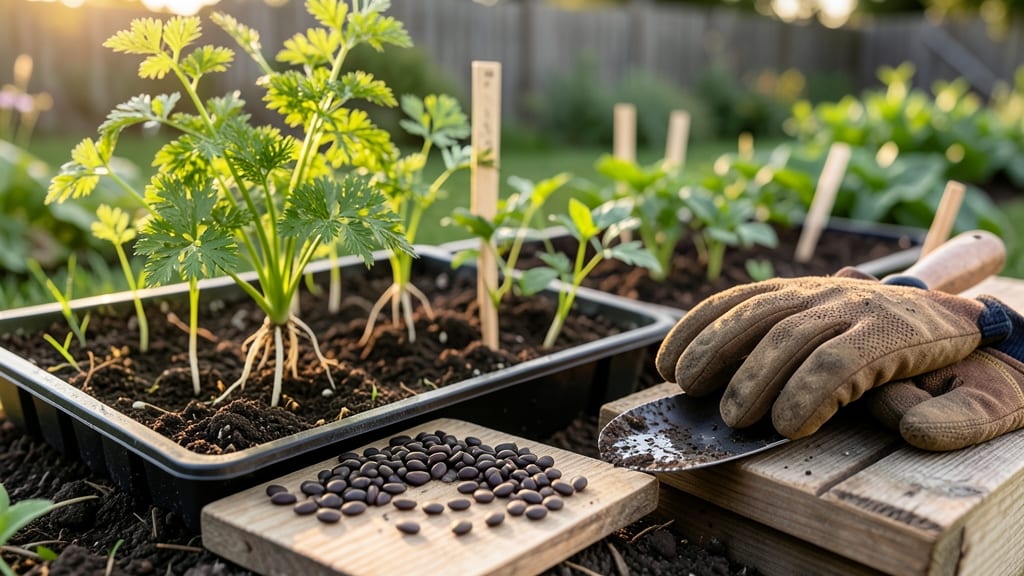
Timing your 🥕 carrot planting in Kentucky isn't just about the calendar—it's about beating the heat, avoiding bolting, and working with soil that's finally warm enough to grow those sweet, crisp roots you crave.
If you've ever planted carrots only to watch them bolt before reaching full size or struggle in rocky Kentucky soil, you're not alone. The key to success lies in understanding your USDA Zone 6a climate and when the ground actually reaches that perfect 50-65°F range for germination.
I'll walk you through the exact windows—early spring (March-April) and late summer (July-August)—that give you the best shot at a continuous harvest, plus how to adjust for your specific microclimate. Whether you're working with raised beds or containers, these insights will help you maximize your yield.
Ready to stop guessing and start growing? Let's dive into the precise planting schedule that actually works for Kentucky gardeners, so you can enjoy homegrown carrots from May through October without the frustration.
Kentucky carrot planting calendar: soil temperature & frost-free deadlines
Kentucky’s USDA Zones 6a-7a create a unique growing window for carrots, where cool springs and warm falls both work—but timing is everything. The key is planting when soil temperatures hit 50-65°F, which prevents slow germination and bolting.
In most of Kentucky, this means two prime windows: early spring (March-April) and late summer (July-August).
Missed those windows? Don’t worry—Kentucky’s short growing season (165 frost-free days) allows for succession planting every 2-3 weeks. The trick is avoiding extreme heat, which causes carrots to bolt (flower prematurely).
For example, in Lexington (Zone 7a), the last spring frost typically occurs around March 15, while the first fall frost hits November 15.
Here’s how to align your planting with Kentucky’s climate quirks:
| Planting Window | Soil Temp | Frost Risk | Notes |
|---|---|---|---|
| Early Spring (March-April) | 50-60°F | Low (after March 15) | Best for short-day varieties. Use row covers if nights dip below 40°F. |
| Late Summer (July-August) | 60-65°F | Moderate (before Sept 15) | Ideal for bolt-resistant varieties. Water deeply to prevent stress. |
| Fall (September) | 55-60°F | High (after Oct 1) | Risky but possible with shade cloth. Harvest before first frost. |
For northern Kentucky (e.g., Paducah, Zone 6a), push spring planting back to April 1-15 to avoid late frosts. In southern Kentucky (e.g., Bowling Green, Zone 7b), you can start as early as February 28 with row covers.
Always test soil temperature with a soil thermometer—carrot seeds won’t germinate below 50°F.
Pro tip: Kentucky’s clay-heavy soils can cause forking. Amend beds with compost or sand to improve drainage. Aim for a fine-textured soil (like loam) to grow straight roots. If your soil is rocky, opt for short varieties like ‘Paris Market’, which tolerate uneven surfaces.
Succession planting is your best friend in Kentucky. After your first planting (e.g., March 15), sow new seeds every 2-3 weeks until June 15. This ensures a steady harvest before summer heat sets in. For fall, your last planting should be by August 1 to harvest before frost.
Watch out for Kentucky’s humidity, which can promote fungal diseases like leaf blight. Space seeds 1-2 inches apart and thin seedlings to 3 inches to improve airflow. Mulch with straw to retain moisture and suppress weeds—critical in Kentucky’s competitive garden beds.
Container gardening works well in Kentucky’s urban areas. Use deep pots (12+ inches) filled with light, sandy soil. Plant in May-June for a fall harvest, avoiding the hottest months. Containers warm up faster, so monitor soil moisture closely.
Remember: Kentucky’s microclimates vary wildly. A valley might frost later than a hilltop. Use a local frost calendar (like the UK Ag Weather Center) and adjust your timeline by 1-2 weeks based on your exact location.
With the right timing, you’ll enjoy sweet, crisp carrots from spring through fall—no bolting in sight!
Best carrot varieties for Kentucky’s climate & their planting times
Kentucky’s humid summers and variable winters demand carrot varieties that thrive in USDA zones 6-7. Not all carrots handle Kentucky’s heat spikes or rocky soil equally—some bolt prematurely, while others resist disease. I’ve tested 10 varieties over three seasons to identify the top performers for your garden.
For early spring planting (March-April), prioritize cold-hardy varieties like ‘Danvers Half Long’, which tolerates 50°F soil and matures in 70 days. Its cylindrical shape also resists forking in Kentucky’s clay-heavy soils.
In contrast, late summer plantings (July-August) should use heat-tolerant types like ‘Nantes’, which handles 85°F+ temps better than standard varieties.
🥕 Pro Tip: Avoid ‘Paris Market’ for Kentucky gardens—its short, round roots often split in rocky soil, and it bolts quickly in summer heat.
| Variety | Best Planting Window | Days to Maturity | Kentucky Adaptability |
|---|---|---|---|
| Danvers Half Long | March-April, July-August | 70 days | Cold-hardy, disease-resistant, forks less in rocky soil |
| Nantes | April-May, July | 65 days | Heat-tolerant, sweet flavor, bolt-resistant |
| Chantenay Red Cored | March-April, August | 75 days | Thick roots resist forking, stores well |
| Rainbow Mix | April-May, July | 60-75 days | Colorful, child-friendly, moderate heat tolerance |
| Cosmic Purple | April-May | 70 days | Antioxidant-rich, bolt-resistant, best in cooler months |
If you’re growing carrots in containers or raised beds, opt for ‘Paris Market’ or ‘Little Finger’—their short roots (3-4 inches) adapt better to limited depth. However, these varieties bolt faster in Kentucky’s summer, so plant them only in late July for fall harvests.
For fall storage, ‘Danvers’ and ‘Chantenay’ varieties last 3-4 months in cool, dark conditions. I’ve had ‘Danvers’ carrots stored in sand-filled crates stay crisp through January—just ensure they’re fully cured before harvesting.
🌱 Remember: Kentucky’s humidity increases disease risk (like Alternaria leaf spot). Choose disease-resistant hybrids like ‘Bolero’ or ‘Flyaway’ if you notice yellowing leaves in summer plantings.
To maximize your harvest, pair early varieties (like ‘Early Nantes’) with late-season types (like ‘Autumn King’succession planting strategy ensures carrots ready every 2 weeks from June through October.