
Plants
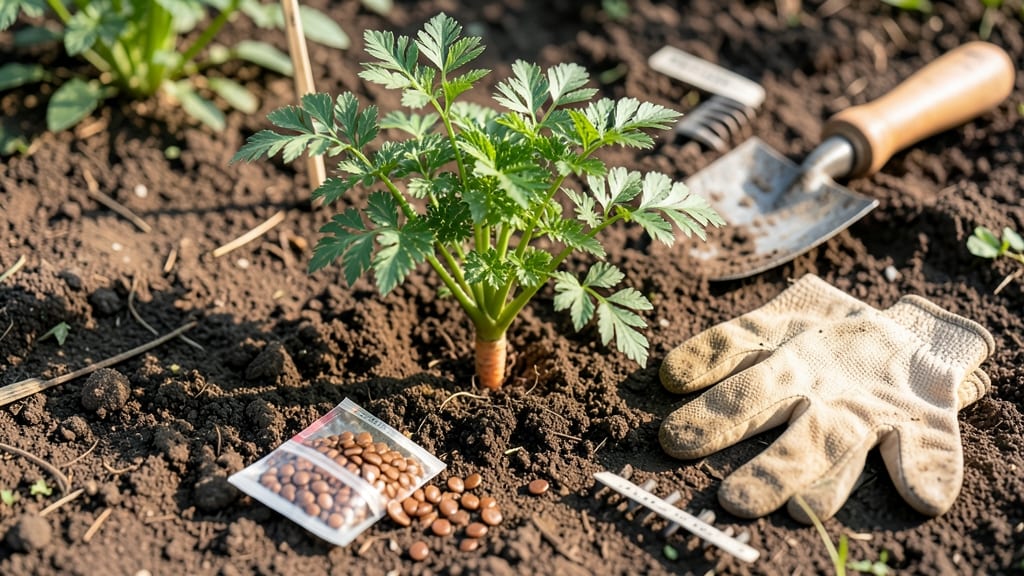
If you’ve ever planted a woody, bitter carrot from your Connecticut garden, you know timing is everything. Pulling up the wrong moment—whether too early or too late—can turn crisp, sweet roots into tough, disappointing failures.
The key to success? Understanding Connecticut’s unique frost dates and soil conditions to nail the perfect planting window.
In CT’s USDA Zone 6a, where last frosts typically arrive between mid-April and mid-May, getting your carrots in the ground at the right time makes all the difference. Too soon, and frost will damage seedlings; too late, and you risk bolting or stunted growth.
I’ll break down the exact weeks to plant for two harvests a year—plus how to adjust for your local microclimate—so you can enjoy homegrown carrots from summer through fall.
Whether you’re a beginner gardener or a seasoned grower, this guide will help you avoid common mistakes and maximize your yield. From early spring plantings to late-summer succession crops, we’ll cover everything you need to know to grow perfectly tender carrots in Connecticut’s unpredictable climate.
Ready to transform your garden into a carrot-growing powerhouse? Let’s dive into the science—and secrets—behind planting your 🥕 at the ideal time for crisp, flavorful roots every season.
Best planting weeks for carrots in CT: frost dates and soil temps
Connecticut’s cool, variable climate demands precise timing for growing crisp, sweet carrots. Plant too early, and frost will damage seedlings; too late, and roots grow woody. The key is aligning your planting with soil temperatures (50–85°F) and average last frost dates (April 15–May 15) across the state.
For spring planting, aim to sow seeds 3–4 weeks before your local last frost date. In western CT (e.g., Danbury), this means mid-March to early April.
Eastern CT (e.g., New London) is safer in late March to mid-April due to later frost risks. Soil thermometers are your best friend—wait until the soil reaches 50°F at a 1-inch depth.
| Planting Window | Soil Temp | Frost Risk | Best Varieties |
|---|---|---|---|
| Mid-March to Early April | 50–60°F | High (use row covers) | 'Danvers Half Long' |
| Late April to Early May | 60–70°F | Low | 'Nantes' |
| July to Early August | 70–85°F | None | 'Rainbow' |
Don’t overlook fall planting for a second harvest! Sow seeds in late July to early August to mature before first frost (October 20). Carrots planted this late thrive in cooler soil (70–85°F) and avoid the bolting risk of hot summer days.
Use shorter-day varieties like 'Paris Market' for faster growth.
Microclimates matter in CT. Urban areas (e.g., Hartford) may experience 2–3°F warmer soils than rural zones, allowing earlier planting. Test your soil with a thermometer and adjust by 1–2 weeks if needed. Raised beds warm up faster—ideal for extending your season.
Watch for soil moisture during germination. Seeds need consistent dampness but not soggy conditions. After sowing, mulch with straw to retain moisture and suppress weeds. Thin seedlings to 2–3 inches apart once they’re 2 inches tall—this prevents overcrowding and forked roots.
If you miss spring planting, don’t despair! June sowings can work in shady or high-altitude CT gardens (e.g., Torrington). Use shade cloth to protect seedlings from intense sun. Just be prepared for smaller roots due to shorter daylight.
Pro tip: Direct-sow seeds—carrots hate transplanting and develop woody cores if disturbed. Scatter seeds ¼-inch deep in rows 12 inches apart. A seed tape or pelletized seeds make spacing easier for beginners.
For container growing, choose deep pots (12+ inches) and plant 2–3 seeds per container. Containers warm up faster, so start 1–2 weeks earlier than in-ground plantings. Place pots in full sun and keep soil moist but well-drained.
Remember: Carrots are cool-season crops. Planting them in hot summer soil (>85°F) causes seeds to rot or seedlings to bolt. If your soil overheats, shade cloth or drip irrigation can help maintain ideal temperatures. Bolting (premature flowering) turns roots bitter—avoid it by choosing slow-bolting varieties like 'Chantenay'.
Best planting weeks for carrots in CT: frost dates and soil temps
Connecticut’s variable climate makes timing critical for growing crisp, sweet carrots. The key is planting when soil temperatures reach 50–60°F—too cold, and seeds rot; too hot, and they bolt. Aim for 2–3 weeks before your last frost date, which typically falls between April 15–May 15 across CT.
For spring planting, start seeds indoors in late March or sow directly in early April once soil warms. In western CT (Zone 6a), you can push it to mid-March with row covers. Summer planting? Wait until July to avoid bolting from heat.
🥕 CT Carrot Planting Timeline
| Season | Planting Window | Soil Temp | Key Notes |
|---|---|---|---|
| Early Spring | March 15–April 15 | 50–60°F | Use row covers for frost protection |
| Late Summer | July 1–August 15 | 60–75°F | Choose bolt-resistant varieties |
| Fall | August 15–September 15 | 65–70°F | Harvest before first frost (Oct 20) |
Pro tip: Test your soil with a thermometer—carrot seeds need consistent moisture but well-draining soil. Sandy areas? Add compost to prevent forked roots. Clay-heavy? Mix in perlite for looser soil.
Missed the spring window? Don’t panic! Succession planting in late July gives you a fall harvest. Just choose short-day varieties like ‘Paris Market’ to avoid bolting. Mulch heavily to retain moisture during CT’s dry spells.
Remember: Bolting (premature flowering) is your biggest enemy in CT’s heat. If daytime temps hit 80°F+, switch to shade cloth or opt for short-season varieties like ‘Early Nantes.’
For microclimates, adjust by 1–2 weeks. Coastal areas (like New Haven) warm faster—plant 10 days earlier. Inland (like Hartford)? Wait 5–7 days longer for safer germination.