
Plants
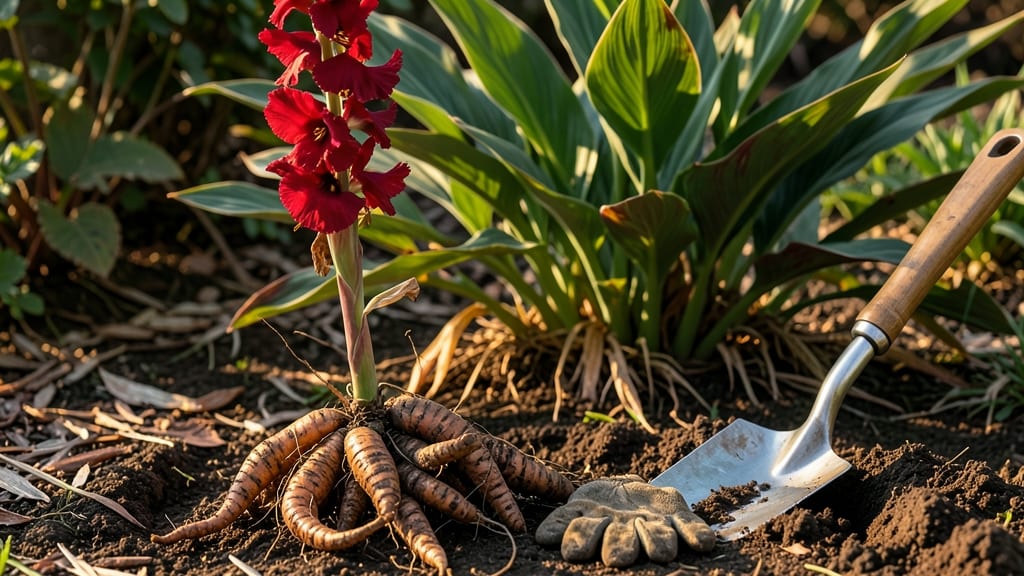
Planting cannas in Oklahoma at the wrong time could mean missing out on those stunning summer blooms entirely—especially in Heat Zones 7b/8a, where timing makes all the difference.
These tropical beauties 🌸 thrive when the soil warms up, but rushing them too soon can leave your garden with limp, struggling plants instead of bold, vibrant foliage.
If you’ve ever wondered why your cannas fizzle out before they even get started, the answer likely lies in when you planted them. Oklahoma’s climate is tricky—too early, and frost lingers; too late, and you miss peak growing season.
The key is waiting until soil temperatures hit at least 60°F, usually around mid-April to early June, when the last frost has finally said goodbye.
But here’s the catch: not all parts of Oklahoma play by the same rules. Northern regions like Tulsa might need to hold off a little longer, while southern areas like Oklahoma City can often plant earlier.
I’ll break down the exact windows, soil prep secrets, and even how to stretch your canna season into fall for extra color—so you can enjoy these showstoppers from summer straight through to early autumn.
Ready to turn your garden into a canna paradise? Let’s dive into the perfect planting schedule, soil hacks, and care tips that’ll have your cannas thriving—and blooming—like never before.
Optimal planting windows for cannas in Oklahoma’s heat zones 7b/8a
Oklahoma’s Heat Zones 7b/8a create ideal conditions for cannas, but timing your planting is critical. These tropical plants thrive when soil temperatures stay above 55°F, and Oklahoma’s last frost date typically falls between March 15 and April 15, depending on your region.
Planting too early risks frost damage, while waiting too long may stunt growth before summer’s peak.
For northern Oklahoma (Zone 7b), aim to plant cannas between mid-April and early May after consistent daytime temperatures exceed 60°F. In southern Oklahoma (Zone 8a), you can start as early as late March, but monitor soil warmth to avoid cold stress.
Early varieties like 'Striped Indian Summer' tolerate cooler soils better than late bloomers like 'Purple Dragon'.
Cannas are rhizomatous perennials, meaning they multiply underground each year. Planting them too late (after June 1) reduces their time to establish roots before Oklahoma’s intense summer heat arrives. This often leads to floppy stems and fewer blooms—definitely not the dramatic display you’re hoping for!
Here’s the golden rule: Wait until soil temperatures reach 60°F+ and all frost danger has passed. Use a soil thermometer to check—this simple tool prevents costly mistakes. In Oklahoma, this usually aligns with late April to early May for most gardeners.
| Region | Zone | Ideal Planting Window | Soil Temp Threshold | Notes |
|---|---|---|---|---|
| Northern OK | 7b | Mid-April to early May | 60°F+ | Wait for consistent 60°F+ soil temps |
| Central OK | 7b/8a | Late April to early June | 55°F+ | Flexible window; monitor weather |
| Southern OK | 8a | Late March to early May | 55°F+ | Early planting possible with protection |
| All Regions | 7b/8a | Avoid after June 1 | N/A | Reduces root establishment time |
Oklahoma’s microclimates play a huge role in canna success. Urban areas like Oklahoma City often experience heat islands, where soil warms faster—ideal for early planting. Meanwhile, rural or elevated areas (like the Ozark foothills) may need to wait until late May for safe planting.
Always check local frost-free date records from your county extension office.
For container gardening, timing shifts slightly. Potted cannas can handle slightly cooler soils because containers warm up faster in sunlight. Plant container-grown cannas 2-3 weeks earlier than in-ground plants, but still wait until nighttime temps stay above 50°F.
This is especially useful for balcony gardens or patios where you want summer color quickly.
Pro tip: Pre-sprout your rhizomes indoors 4-6 weeks before your target planting date. Place them in a shallow tray with moist peat moss, keeping them in bright, indirect light at 70°F. This jumpstarts growth and gives you a 2-week head start on the season—perfect for Oklahoma’s unpredictable springs.
Remember, cannas are heat-loving powerhouses that reward precise timing with vibrant blooms from July through October. By planting at the right moment, you’ll ensure your garden becomes a showstopper during Oklahoma’s hottest (and driest) months when other plants wilt.
How to prepare Oklahoma soil for cannas: avoiding common mistakes
Oklahoma’s clay-heavy soils and alkaline pH can sabotage canna growth if not addressed. These tropical plants thrive in well-draining, slightly acidic soil, but native Oklahoma conditions often fall short. Without proper prep, your cannas may struggle with root rot or nutrient deficiencies, stunting their dramatic summer blooms.
Start by testing your soil’s pH level—cannas prefer 6.0–7.0. Oklahoma’s natural 7.5–8.5 pH requires amendments like sulfur or peat moss to lower it. Ignoring this step is a common mistake that leads to poor nutrient uptake, even if you’re using the best fertilizer.
Next, focus on drainage improvement. Mix compost or aged manure into the top 12 inches of soil to break up clay particles. For containers, use a blend of 50% potting mix and 50% perlite to prevent compaction.
I’ve seen cannas in Oklahoma gardens fail spectacularly when planted directly into unmodified clay—don’t let that be you!
Add a 2–3 inch layer of mulch after planting to retain moisture and regulate soil temperature. Use straw or shredded leaves—avoid wood chips, which can acidify soil over time. This step is critical in Oklahoma’s hot summers and drought-prone conditions, keeping roots cool and hydrated.
Finally, consider raised beds if your yard has heavy clay. They allow for better soil control and drainage. Fill with a mix of garden soil, compost, and sand to create the perfect growing medium.
Raised beds also warm up faster in spring, giving your cannas a head start in Oklahoma’s short growing season.
With these soil prep steps, your cannas will have the ideal growing conditions to thrive in Oklahoma’s climate. Proper preparation now means vibrant blooms and healthy growth all summer long. 🌿