
Plants
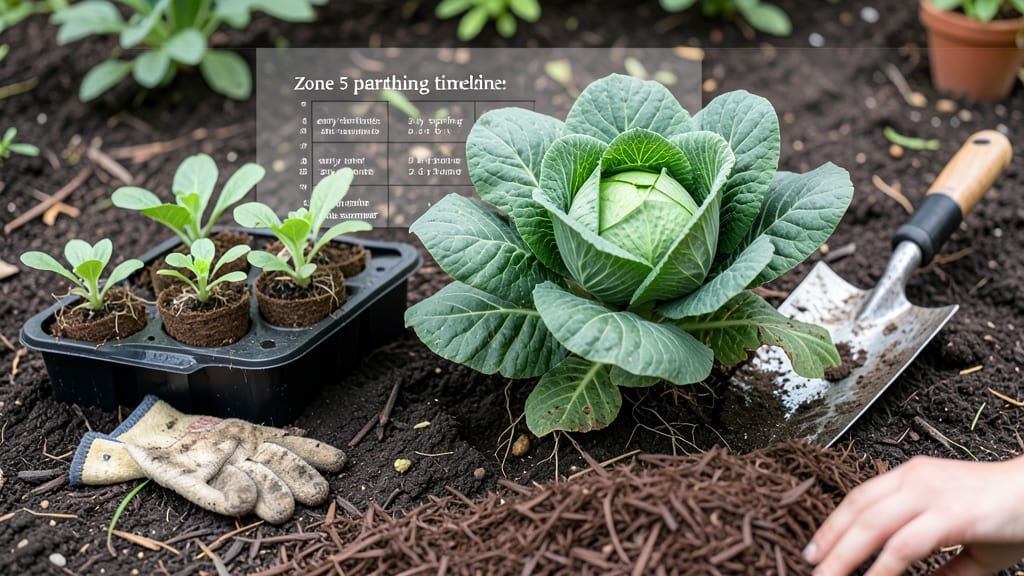
Timing your cabbage 🥬 planting in Zone 5 isn’t just about throwing seeds in the dirt—it’s the difference between a bountiful harvest and a sad, stunted plant. Get the frost dates wrong, and you’ll either watch your cabbage bolt to seed or shiver under early frosts before it matures.
Here’s the secret: Zone 5’s cool seasons are actually perfect for cabbage, but you’ve got to work with the clock. Plant too early, and you’ll end up with bitter, loose heads.
Too late, and you’ll miss the sweet spot before winter sets in. I’ll break down exactly when to start seeds indoors and when to transplant for maximum head size—no guesswork.
Whether you’re aiming for a summer harvest or a hardy fall crop, knowing your last frost date (usually mid-May in Zone 5) is everything. We’ll cover how to adjust for variety-specific needs, from quick-maturing types to those that need extra time to bulk up before the cold hits.
Ready to grow heads so big they’ll make your neighbors ask for cuttings? Let’s dive into the frost-date math that’ll turn your cabbage patch into a showstopper.

Zone 5 cabbage planting timeline: frost dates and variety-specific rules
Cabbage in Zone 5 follows a strict cool-season schedule—plant too early, and you’ll trigger bolting (flowering instead of head formation). Plant too late, and your harvest shrinks or tastes bitter.
The key? Timing based on your last frost date (typically April 15–May 15 in Zone 5) and first frost date (mid-October).
Most Zone 5 gardeners grow cabbage in two waves: spring (for summer harvests) and fall (for late-season or overwintered crops). The difference between these plantings isn’t just timing—it’s variety selection.
Early maturing types (like 'Golden Acre') work for both seasons, while late varieties (like 'Late Flat Dutch') need the longer fall growing window.
Spring cabbage should hit the soil 4–6 weeks before your last frost. That means starting seeds indoors by March 1–15 (if transplanting) or direct-sowing mid-April to early May. For fall cabbage, aim to plant 8–10 weeks before your first frost, so seeds go in late July to early August. This ensures heads mature before October’s chill.
Here’s where local frost data becomes your best friend. While Zone 5 averages 150 frost-free days, your exact window depends on elevation and microclimates. For example, Chicago’s last frost often arrives 2 weeks later than Cincinnati’s.
Use the USDA Plant Hardiness Zone Map and your local cooperative extension service for precise dates.
| Planting Window | Variety Type | Days to Maturity | Notes |
|---|---|---|---|
| Mid-April to early May | Early (e.g., 'Golden Acre') | 60–70 days | Best for spring harvest; tolerates light frost. |
| Late May to June 15 | Mid-season (e.g., 'Golden Ball') | 75–85 days | Avoid summer heat; needs consistent moisture. |
| Late July to early August | Late (e.g., 'Late Flat Dutch') | 90–120 days | For fall/winter harvest; needs frost protection. |
| September 1–15 (succession) | All types | 60–80 days | Small heads for late fall; use row covers. |
For container gardening in Zone 5, adjust your timeline by 1–2 weeks earlier. Pots warm up faster, so spring cabbage can go in 3 weeks before your last frost date. Conversely, fall containers may need row covers to extend the season by 2–3 weeks past the first frost.
Don’t overlook soil temperature—cabbage seeds need 40–50°F soil to germinate. Test your soil with a thermometer before planting. If it’s below 40°F, wait or use black plastic mulch to warm the soil faster. Direct-sowing in cold soil often leads to rot or poor germination.
Pro tip: Succession planting every 2 weeks in spring and fall ensures a steady harvest. For example, plant one batch in April, another in May, and a final July batch for fall. This spreads out your harvest timeline from June to November.
If you’re growing savoy cabbage (like 'Napa'), push your fall planting to mid-August. Savoy varieties handle cooler temps better and often taste sweeter after light frosts. Just be prepared to harvest before hard freezes or use straw mulch for overwintering.
Remember: Cabbage hates heat. Planting in June or July without shade cloth or drip irrigation will result in bolting or bitter leaves. Save those late plantings for shade-tolerant varieties like 'Wisconsin Golden Acre', which handles 75°F days better than most.
Zone 5 cabbage planting timeline: frost dates and variety-specific rules
Cabbage in Zone 5 loves cool weather but hates summer heat—so timing is everything. Your last frost date (typically mid-May) and first frost date (mid-October) create two perfect planting windows: spring (April–June) and fall (July–August). Miss these, and you risk bolting (premature flowering) or stunted growth.
For spring cabbage, aim to plant 4–6 weeks before your last frost—usually mid-April to late May. Early varieties like 'Early Jersey Wakefield' mature in 60–70 days, while late varieties like 'Golden Acre' take 90–100 days.
Fall plantings should start 8–10 weeks before your first frost, typically late July to early August.
Pro Tip: Use heat-tolerant varieties like 'Cavalo' for late summer plantings, as they handle 80°F+ temperatures better than standard cabbage. Always check your seed packet for days to maturity—this determines your exact planting window.
| Planting Window | Variety Type | Days to Maturity | Best For |
|---|---|---|---|
| Mid-April to late May | Early (e.g., 'Early Jersey Wakefield') | 60–70 days | Spring harvest (June–July) |
| Late May to early June | Mid-season (e.g., 'Golden Acre') | 75–90 days | Summer harvest (July–August) |
| Late July to early August | Heat-tolerant (e.g., 'Cavalo') | 70–85 days | Fall harvest (October–November) |
If you’re starting seeds indoors, begin 6–8 weeks before transplanting (typically mid-February to early April for spring). Use grow lights to prevent leggy seedlings—cabbage needs 12–14 hours of light daily. Harden off seedlings 1 week before transplanting to toughen them for outdoor conditions.
For container gardening, choose compact varieties like 'Miniature Drumhead' (matures in 50–60 days) and plant in 5-gallon pots with well-draining soil. Containers warm up faster, so monitor soil temperature—cabbage thrives in 50–75°F soil. Use a soil thermometer to avoid planting too early.
Remember: Frost protects cabbage—young plants can handle 28–32°F with row covers. But if temperatures dip below 20°F, even mature heads will suffer. Plan for successive plantings every 2 weeks to ensure a continuous harvest through summer and fall.