
Plants
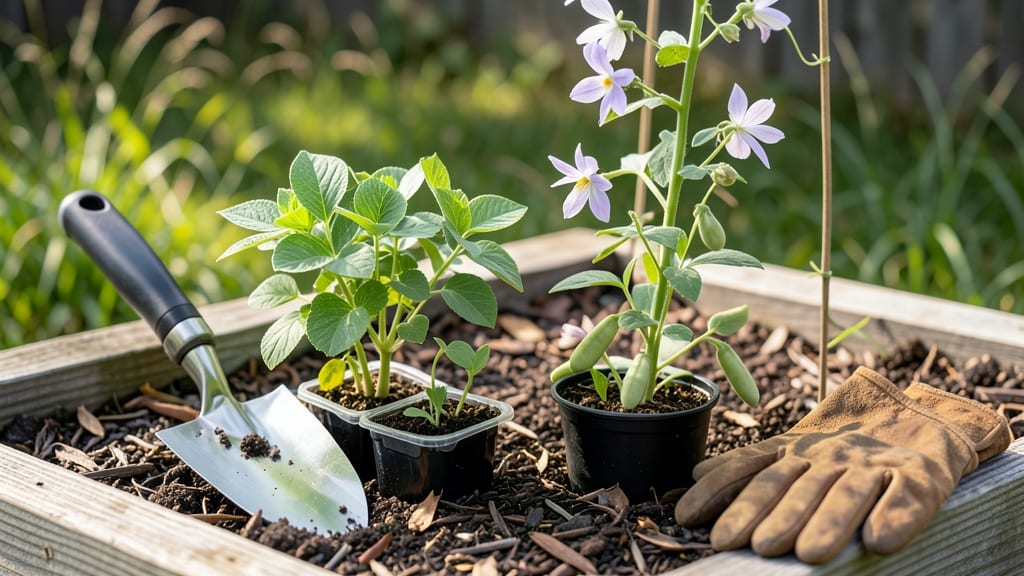
Timing your butter bean 🌱 planting in North Carolina can mean the difference between a bumper crop and wasted effort. These heat-loving plants need the right conditions to germinate quickly and thrive in NC's varied climate zones.
Most gardeners in Heat Zones 7b-8a get the best results by planting after the last frost date—typically between mid-April and early May. But there's a trick to maximizing growth: late summer plantings (July-August) also work well for a fall harvest.
I'll break down exactly when to plant for fast germination, how to adjust for your specific NC region, and what soil conditions butter beans truly need to succeed. Let's make sure your garden yields the best possible harvest.
Whether you're a beginner or a seasoned gardener, these insights will help you avoid common mistakes and get your butter beans growing strong in no time.
Optimal planting timeline for butter beans in NC heat zones 7b-8a
North Carolina’s Heat Zones 7b-8a offer perfect conditions for butter beans—but timing your planting is critical. These heat-loving plants need warm soil (60°F+) and frost-free nights to thrive.
Plant too early, and you’ll risk slow germination or even rot. Too late, and your harvest may arrive just before the first frost.
Butter beans are warm-season annuals in NC, meaning they won’t survive frost. This gives you two prime planting windows: spring (after last frost) and late summer (for fall harvests). Let’s break down the exact timeline to maximize your yield.
🌱
| Stage | Action | Notes |
|---|---|---|
| Soil Prep | Test pH (6.0-6.8) | Use compost for sandy soils |
| Spring Planting | Mid-April to early May | After last frost (avg. April 15) |
| Soil Temp Check | 60°F+ | Use a soil thermometer |
| Late Summer Planting | July to early August | For fall harvest before frost |
| Harvest Window | July-Sept (spring) or Oct-Nov (fall) | Pods ready in 80-100 days |
| First Frost Alert | Early November | Use row covers if extending season |
For spring planting, aim for mid-April to early May—right after your region’s last frost date. In most of NC, this falls around April 15, but mountainous areas (Zone 7b) may wait until early May.
Use a soil thermometer to confirm temperatures are above 60°F—this is non-negotiable for germination.
If you miss spring, don’t worry! Late summer planting (July-August) gives you a second chance for a fall harvest. This works especially well in NC’s Coastal Plain, where summers are long and hot.
Just be sure to plant 80-100 days before your first frost (typically early November) to avoid losing your crop.
Here’s a pro tip: In Zone 8a (eastern NC), you can sometimes squeeze in a third planting in early June for a late-summer harvest. But monitor weather forecasts—humidity spikes in August can stress young plants.
🌡️
Regional adjustments matter! In the Piedmont, where nights cool faster, push spring planting to late April. In the Mountains (Zone 7b), wait until early May to avoid late frosts. For sandy soils (common in the Coastal Plain), water seeds daily until they sprout—sandy soil dries out faster.
One common mistake? Planting too early and hoping for the best. Cold soil (below 55°F) causes seeds to rot in the ground. Always check soil temperature before planting—it’s your best predictor of success.
For container gardening, plant butter beans in large pots (12"+ deep) and move them to a sunny spot after last frost. Containers warm up faster than ground soil, so you can plant 1-2 weeks earlier than in-ground gardens.
☀️
How to prepare soil and seedbeds for fast butter bean germination in NC
Butter beans need well-draining, nutrient-rich soil to germinate quickly and thrive in North Carolina’s heat. Start by testing your soil’s pH (6.0–7.0 is ideal)—butter beans prefer slightly acidic to neutral conditions.
If your soil is too heavy with clay or too sandy, amend it with compost or aged manure to improve texture and fertility.
Before planting, clear the area of weeds and loosen the soil to a depth of 12 inches. Butter beans have delicate roots, so avoid compacting the soil during prep.
If your garden soil is poor, mix in a balanced fertilizer (5-10-10) at planting time to give your vines a strong start.
Butter beans grow best in full sun (6–8 hours daily), so choose a location with minimal shade from trees or structures. If your garden receives partial shade, opt for dwarf varieties or plant near a south-facing fence for extra warmth.
In NC’s humid summers, mulch around plants with straw to retain moisture and prevent soil-borne diseases.
When planting, space seeds 1–2 inches deep and 4–6 inches apart in rows spaced 18–24 inches apart. This gives vines room to climb trellises or spread naturally.
If you’re direct-sowing (recommended for NC’s climate), plant seeds after the last frost date—typically mid-April to early May—or in late July for a fall harvest.
Avoid planting butter beans near potatoes or other legumes, as they can compete for nutrients or attract similar pests. Instead, pair them with corn or cucumbers—these companion plants improve growth and deter pests naturally.
After sowing, keep the soil consistently moist but never waterlogged, as butter beans are sensitive to root rot.
With the right soil prep and timing, your butter beans will sprout in 7–14 days and produce a bountiful harvest in 80–100 days. Monitor for pests like aphids or bean beetles, and address issues early to keep your plants healthy.