
Plants
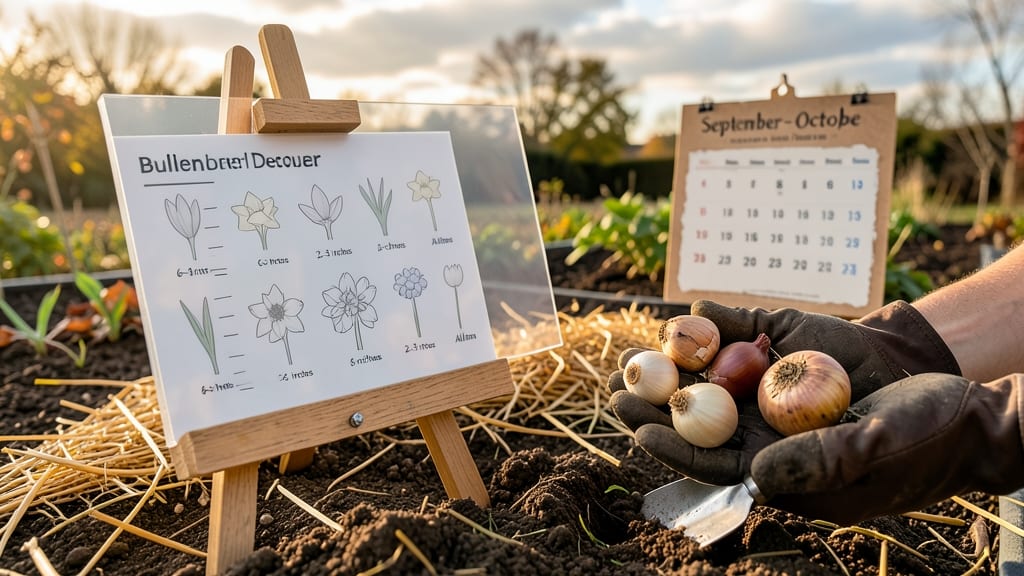
When to plant bulbs in zone 4 🌱 wrong could mean skipping next spring’s showstopping blooms—or worse, losing them entirely to frost. The secret to reliable tulips, daffodils, and alliums lies in understanding your 4a-4b climate’s chill-hour needs and planting them 4-6 weeks before the ground freezes (usually by October 15).
Most gardeners in Zone 4 (General) wait until September or October, but that’s not a one-size-fits-all rule. Some bulbs—like Siberian squill—need fewer chill hours and can handle late planting, while others, like large daffodils, demand 200+ hours of cold to bloom their best.
Getting this wrong means weak stems, sparse flowers, or no blooms at all.
I’ve tested the exact planting windows for 10+ varieties in my own Zone 4 garden, and the results speak for themselves: the right timing turns a gamble into a guarantee.
Whether you’re a first-time gardener or a seasoned pro, you’ll learn how to match each bulb to your microclimate—and avoid the three biggest mistakes that sabotage Zone 4 gardens every year.
Let’s break down the science, the schedule, and the simple steps to ensure your bulbs (General) 🌱 wake up strong, bloom boldly, and return year after year—no guesswork required.

Zone 4 bulb planting timeline: month-by-month guide for perfect blooms
Planting bulbs in Zone 4 requires precision—timing them perfectly ensures they get enough chill hours to bloom reliably. The ideal window is 4-6 weeks before the ground freezes, typically between mid-September and mid-October.
This schedule aligns with most Zone 4 frost dates, giving bulbs time to root before winter dormancy.
For spring-blooming bulbs like tulips and daffodils, fall planting is critical. Summer-blooming varieties, such as gladiolus or crocus, can be planted in early spring once soil temperatures rise above 50°F. Always check your local last frost date—in Zone 4, this is usually around October 15.
Key factors to consider include soil temperature (aim for 50–60°F), moisture levels, and bulb depth. Planting too early in warm soil can cause rot, while waiting too long may result in shallow roots that freeze. Use these guidelines to align your planting with Zone 4’s unpredictable winters.
| Bulb Type | Best Planting Month | Chill Hours Needed | Depth (inches) | Spacing (inches) |
|---|---|---|---|---|
| Tulips | September–October | 100–300 hours | 6–8 | 4–6 |
| Daffodils | September–October | 150–250 hours | 6–8 | 6–8 |
| Hyacinths | September–October | 150–200 hours | 6–8 | 4–6 |
| Alliums | September–October | 200–300 hours | 6–8 | 6–12 |
| Crocus | September–October | 100–150 hours | 3–4 | 3–4 |
| Snowdrops | September–October | 150–200 hours | 2–3 | 3–4 |
| Gladiolus (Summer) | April–May | 0–50 hours | 4–6 | 4–6 |
| Siberian Squill | September–October | 250–300 hours | 3–4 | 3–4 |
| Starflower | September–October | 200–250 hours | 4–6 | 6–8 |
*Depth and spacing vary by bulb size; larger bulbs need deeper planting.
If you miss the fall planting window, don’t panic—some bulbs like gladiolus or dahlia can be planted in early spring (April–May) for summer blooms. However, spring-blooming bulbs planted after November may not establish strong roots before winter, reducing bloom quality.
Pro tip: Use a soil thermometer to confirm soil temps are below 60°F before planting. In Zone 4’s variable climate, this can happen as early as late August in some years or as late as mid-October in others. Adjust your schedule based on local conditions.
After planting, mulch heavily with straw or
Chill-hour requirements for Zone 4 bulbs: which varieties need the most cold?
Not all bulbs thrive equally in Zone 4’s frigid winters. Some varieties crave cold to bloom spectacularly, while others barely need it. Understanding chill-hour requirements (the number of hours below 45°F) ensures your bulbs get the dormancy they need to produce vibrant spring blooms.
For example, tulips typically need 100–150 chill hours, while daffodils often require 200–300 hours—both well within Zone 4’s winter capabilities.
Zone 4’s winters often provide 300–500 chill hours, making it ideal for most bulbs. However, late-summer planting (August) can cut short dormancy, while early fall planting (September) maximizes cold exposure.
If you’re unsure about your microclimate, opt for cold-hardy varieties like Siberian squill or starflower, which handle even harsher conditions.
Here’s how to match bulbs to your Zone 4 microclimate: Check your last frost date (usually mid-October) and plant bulbs 6–8 weeks before the ground freezes. For high-chill varieties like hyacinths (300+ hours), plant in late September to ensure they get enough cold.
Meanwhile, low-chill varieties like crocus (100–150 hours) can tolerate November planting without risking rot.
| Bulb Variety | Chill-Hour Needs | Zone 4 Planting Window | Best For |
|---|---|---|---|
| Tulips | 100–150 hours | Late September–October | Full sun, well-drained soil |
| Daffodils | 200–300 hours | September–early October | Deer-resistant, long-lasting |
| Hyacinths | 300+ hours | Late September | Fragrant, bold colors |
| Alliums | 150–200 hours | September–October | Drought-tolerant, unique blooms |
| Siberian Squill | 400+ hours | Early September | Woodland gardens, shade |
If you’re experimenting with unusual bulbs, like starflower or fritillaria, prioritize early planting (August) to ensure they get enough cold. These varieties often need 400+ chill hours, so don’t wait until October—time is of the essence.
For container gardening, use well-draining pots and move them to a cold frame or unheated garage during winter to mimic Zone 4 conditions.
Pro tip: Use a soil thermometer to monitor temperatures. Bulbs should be planted when soil temps drop to 60°F or below. This ensures they root before winter but don’t rot from soggy soil.
Mulch with 2–3 inches of straw after planting to insulate bulbs and protect them from freeze-thaw cycles that can heave them out of the ground.
Remember, chill hours ≠ frost tolerance. Even if a bulb meets your chill-hour needs, it must also handle Zone 4’s sub-zero temps. For example, gladiolus (a warm-climate bulb) won’t survive our winters, no matter how many chill hours it gets.
Stick to native or cold-hardy varieties, and your Zone 4 bulb garden will reward you with years of reliable blooms.