
Plants
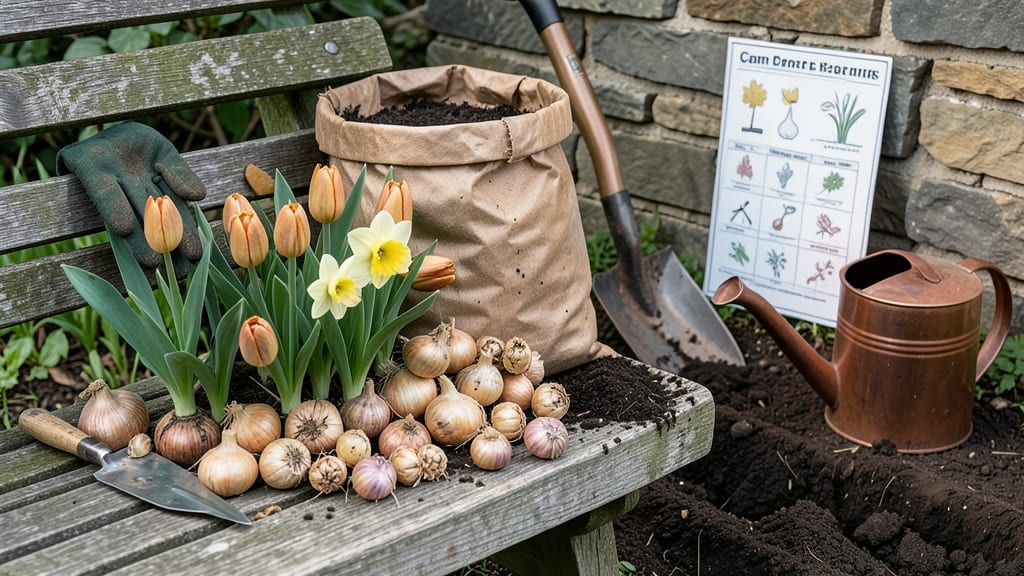
Planting Spring-Blooming Bulbs (Tulips, Daffodils, Hyacinths, etc.) at the wrong time in New England means watching your vibrant 🌷 dreams freeze before they even sprout. The key to success? Timing it perfectly—between 6-8 weeks before the first frost, when soil temps dip below 60°F but before the ground locks up.
Here’s the catch: New England’s 5a-6b zones throw a curveball with early frosts creeping in by mid-October. Plant too late, and your bulbs won’t root deeply enough to survive winter.
Too early, and they’ll start growing—only to get fried by a sudden cold snap. The sweet spot? Aim for September to early November, adjusting based on your microclimate.
I’ve learned the hard way that rushing the process leads to weak stems and fewer blooms next spring. But when you nail the timing—adding compost for extra nourishment and mulching to insulate roots—you’ll be rewarded with bold, healthy flowers that pop against the snow.
Let’s break down exactly when to dig in your region.
Whether you’re a first-time gardener or a seasoned pro, these zone-specific tips will help you avoid common mistakes like planting too shallow or ignoring soil drainage. Ready to transform your yard into a springtime showcase? Let’s get those bulbs in the ground the right way.
Best planting months for spring and fall bulbs by New England hardiness zones
New England’s USDA Zones 3-7 create unique challenges for bulb planting, where frost dates vary by 4-6 weeks across the region. In Zone 3 (northern Maine, NH), the ground freezes by mid-October, while Zone 7 (southern CT, RI) often stays workable until late November.
Timing your bulbs correctly ensures they root before winter but avoid rot from soggy soil.
Most spring-blooming bulbs—tulips, daffodils, hyacinths, and alliums—need 6-8 weeks of cool soil to establish roots. Planting too early (like late August) risks fungal diseases, while waiting until December may leave bulbs exposed to heaving (frost damage).
Aim for late September to early November, adjusting based on your zone and microclimate.
Here’s how to match your hardiness zone to the best planting window for classic spring bulbs:
| Zone | Ideal Planting Window | Key Bulbs | Soil Temp Goal | Risk if Late |
|---|---|---|---|---|
| 3 (Northern ME, NH) | Late September to mid-October | Daffodils, Crocus, Snowdrops | 40–50°F | Frost heaving |
| 4 (Upstate NY, VT) | October (early to mid) | Tulips, Hyacinths, Alliums | 45–55°F | Weak root growth |
| 5 (Boston, Portland) | Late October to early November | Daffodils, Fritillaries | 50–60°F | Rodent damage |
| 6 (Southern CT, RI) | November (early) | Tulips, Grape Hyacinths | 55–65°F | Soggy soil rot |
| 7 (Coastal MA, CT) | Late November (if mild) | Late-Blooming Tulips | 60°F+ | Poor flowering |
For fall-planted bulbs, like crocuses and snowdrops, you can push the window slightly later—even early December in Zone 6-7—since they bloom earlier and tolerate colder soil. However, tulips and hyacinths planted after mid-November in Zone 5 or colder may struggle to root before winter.
If you miss the fall window, some bulbs—like daffodils and alliums—can be planted in early spring (March-April), though they’ll bloom 1-2 weeks later than fall-planted varieties. Tulips and hyacinths, however, won’t thrive if planted in spring due to their need for winter chilling.
Another critical factor is soil drainage. Bulbs rot in waterlogged soil, so amend heavy clay with compost or sand before planting. In Zone 3-4, add a 2-inch layer of mulch after planting to insulate bulbs from extreme cold.
For coastal areas (Zone 6-7), prioritize well-draining spots to avoid salt spray damage.
For organic gardeners, avoid synthetic fertilizers near bulbs—they can burn roots. Instead, mix in well-aged compost or use a low-nitrogen bulb fertilizer (like 5-10-10) at planting. In conventional gardens, a balanced fertilizer applied in early spring (after foli
How to adjust planting times for New England’s unpredictable weather patterns
New England’s unpredictable frost dates and microclimates can throw off even the most experienced gardener. Coastal areas like Portland, Maine often experience milder winters, while inland spots like Burlington, Vermont face harsher conditions. To extend your planting window, start by checking soil temperatures—aim for 40-50°F before planting fall bulbs.
Use a soil thermometer to monitor conditions. If temperatures drop unexpectedly, cover newly planted bulbs with straw mulch (2-3 inches thick) to insulate them. This extra layer can delay frost damage by 2-3 weeks, giving you flexibility if early snow arrives.
For late-season adjustments, opt for cold-hardy varieties like Siberian squill or hardy cyclamen, which tolerate Zone 3 winters. These bulbs can handle early planting (as soon as late August) without risking frost heave.
Planting bulbs after the first frost (even if soil is workable) can lead to rot or poor root establishment. In Zone 5-6, avoid planting after mid-October unless you’re using a heated planter or greenhouse setup.
Pro Tip: If frost hits early, store bulbs in a cool, dark place (35-40°F) and replant in early spring for delayed blooms.
Adjust for coastal vs. inland differences: Coastal areas (e.g., Providence, RI) can plant 2-3 weeks later than inland zones due to warmer ocean breezes. Use local USDA Zone maps and almanac frost dates as your guide, but trust your soil thermometer over calendar dates.
For organic gardeners, focus on compost-enriched soil to improve drainage and warmth retention. Add well-rotted manure in early fall to boost soil temperature naturally. This helps bulbs establish roots faster, giving them a head start against early frosts.
If you miss the fall window entirely, spring planting is possible for tender bulbs like dahlias or cannas, but most New England-hardy bulbs (tulips, daffodils) need 6-8 weeks of chill time—so plan accordingly.
Store bulbs in a paper bag in the fridge until soil warms to 50°F+ in spring.
Remember: Observation beats rules. Keep a gardening journal to track your local frost dates and adjust planting times yearly. With these strategies, you’ll beat New England’s weather and enjoy reliable spring blooms every season. 🌱