
Plants
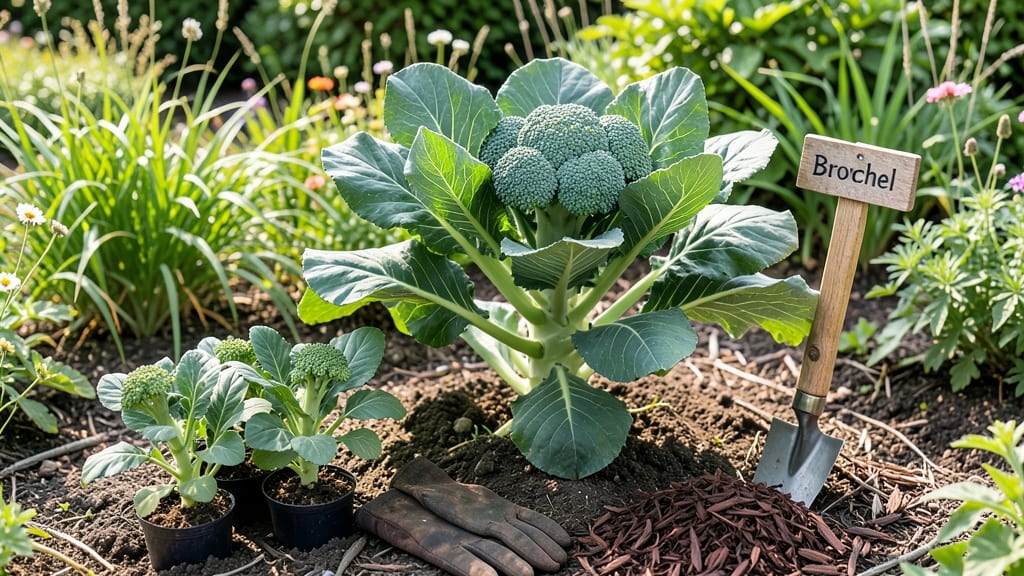
Timing your 🥦 broccoli planting in Utah isn’t just about following a calendar—it’s about outsmarting Salt Lake City’s unpredictable frost patterns and short growing seasons. Plant too early, and a late frost will turn your seedlings into sad, wilted memories.
Too late, and summer’s scorching heat will send your plants bolting before you even see a head. The key to success lies in knowing exactly when to put those seeds in the ground for maximum yield.
Utah’s USDA Zones 5-8 mean you’ve got two prime windows to grow broccoli: early spring and late summer. But here’s the catch—your elevation matters. Gardeners in the valleys might be ready to plant in March, while those in higher foothills should wait until April to avoid frost.
The same goes for fall planting: August works in lower zones, but September is safer up north. Get this wrong, and you’ll end up with bitter, underwhelming harvests—or worse, no harvest at all.
I’ve spent years perfecting the timing, and what I’m about to share will help you learn how to grow broccoli that’s tender, flavorful, and ready to harvest by May or October.
We’ll cover everything from soil prep to frost protection, so you can enjoy a steady supply of this nutrient-packed veggie all season long. Let’s dive into the exact steps to make your Utah garden thrive.
Whether you’re a first-time gardener or a seasoned pro, mastering the art of when to plant broccoli in Utah is the game-changer that separates a good harvest from a great one. Ready to turn your garden into a broccoli powerhouse? Let’s get started.
Salt Lake City’s exact broccoli planting calendar: frost dates & hardiness zones
Utah’s USDA Zones 5-8 create a tricky balance for broccoli growers. The Valley County (Zone 5-6) faces earlier frosts, while Southern Utah (Zone 7-8) enjoys extended seasons.
My Salt Lake City garden sits in Zone 6, where the last spring frost typically hits mid-April, but can linger until May 1st in cold snaps.
For spring planting, aim to transplant 4-6 weeks before your area’s last frost date. That means late February to early March for most Utah gardeners. Fall planting works too—sow seeds 8-10 weeks before the first frost (usually August 15th for Zone 6).
Timing is critical because broccoli bolts in heat, and Utah’s summer temps (90°F+) will send your plants to seed prematurely.
Here’s the key: Microclimates matter. Gardens in higher elevations (like Park City) may wait until May 1st for spring planting, while low desert areas (like St. George) can push fall planting to September 15th.
Always check your local frost dates—the National Weather Service or Utah State University Extension provides updated forecasts.
| Stage | Utah Zone 5-6 (Valley) | Utah Zone 7-8 (Southern) | Action |
|---|---|---|---|
| Last Spring Frost | Mid-April | Early April | Plant seeds indoors |
| Ideal Transplant Window | March 15-April 1 | March 1-April 15 | Hardy transplants outdoors |
| First Fall Frost | Mid-October | Late October | Sow seeds for fall crop |
| Fall Planting Deadline | August 15 | September 15 | Avoid summer heat stress |
| Harvest Window | May-June & Oct-Nov | April-July & Sept-Dec | Pick before flowering |
Utah’s dry climate adds another layer. Without adequate soil moisture, broccoli struggles to form heads. I always amend my soil with 2-3 inches of compost before planting to retain water. Mulching with straw helps too—it keeps roots cool and reduces evaporation.
In Zone 5, I even use black plastic mulch to warm the soil faster in spring.
For container growing in Utah’s urban areas, choose dwarf varieties like ‘Calabrese’ or ‘Green Magic.’ These mature in 50-60 days, fitting neatly into Utah’s short season. Just ensure your pots have drainage holes and you’re watering daily in summer—containers dry out fast in our low humidity.
Pro tip: Start seeds indoors 6-8 weeks before transplanting. Utah’s short growing season (only 120-180 frost-free days) means every day counts. Use a grow light if your windows don’t get enough sun—broccoli needs 12+ hours of light daily to thrive.
Don’t overlook succession planting. In Utah’s climate, you can squeeze in 3 broccoli crops per year: early spring, late summer, and fall. Just space your plantings 3-4 weeks apart to ensure a continuous harvest.
My first crop goes in March, the second in early August, and the last in mid-September.
Finally, watch for late frosts. Even after the official last frost date, cold snaps can linger. I always keep row covers handy to protect young seedlings. For extra insurance, choose cold-hardy varieties like ‘Waltham 29’ or ‘De Cicco’—they tolerate 25°F temps without damage.
With these Utah-specific timing tips, you’ll avoid the common mistakes
Spring vs. fall broccoli planting: which Utah season yields the best harvest?
Utah’s two distinct broccoli planting seasons—spring and fall—offer different rewards, but each comes with unique challenges. In spring, you’ll face unpredictable late frosts, while fall planting risks summer’s scorching heat if timed poorly. Let’s break down which season gives you the biggest, healthiest harvest with the least stress.
For spring planting (March–April), aim to transplant seedlings 4–6 weeks before your last frost date. Most of Utah falls in USDA Zones 5–8, so mid-March works for Salt Lake Valley, while higher elevations (e.g., Park City) should wait until late March.
Spring broccoli thrives in cooler soil but needs consistent moisture as temperatures rise.
Fall planting (August–September) is a smart backup plan for Utah gardeners. By sowing seeds in late summer, you avoid spring’s frost risks and harvest before winter sets in. However, soil warmth in August can stress seedlings, so use shade cloth or plant in well-draining, compost-rich soil to cool roots.
Spring Planting
- ✅ Pros: Longer growing season, bigger heads
- ✅ Less pest pressure early on
- ✅ Cooler soil reduces bolting risk
Fall Planting
- ✅ Pros: Avoids spring frosts, harvest before winter
- ✅ Fewer diseases in cooler fall
- ✅ Good for late-season varieties
Cons
- ❌ Late frosts can damage seedlings
- ❌ Bolting risk if soil warms too fast
- ❌ Shorter harvest window in high desert
Cons
- ❌ Hot soil can stress seedlings
- ❌ Limited variety choices for late season
- ❌ Harvest timing must align with frost
If you’re in Salt Lake City or the Wasatch Front, spring planting usually yields larger, more abundant heads because the growing season stretches into June. However, fall planting is ideal for higher elevations (e.g., Logan, Ogden), where spring frosts linger longer.
For both seasons, choose cold-hardy varieties like ‘Waltham 29’ or ‘De Cicco’ to maximize success.
Pro tip: Test your soil’s pH before planting—broccoli prefers 6.0–7.0. Utah’s alkaline soils often need compost or sulfur to adjust pH. Amend beds in late winter so nutrients are ready by planting time.
For fall harvests, start seeds indoors in July and transplant in early August. Use row covers if nighttime temps dip below 40°F to protect tender plants. With the right timing, you can enjoy fresh broccoli straight through October—just in time for holiday meals!