
Plants
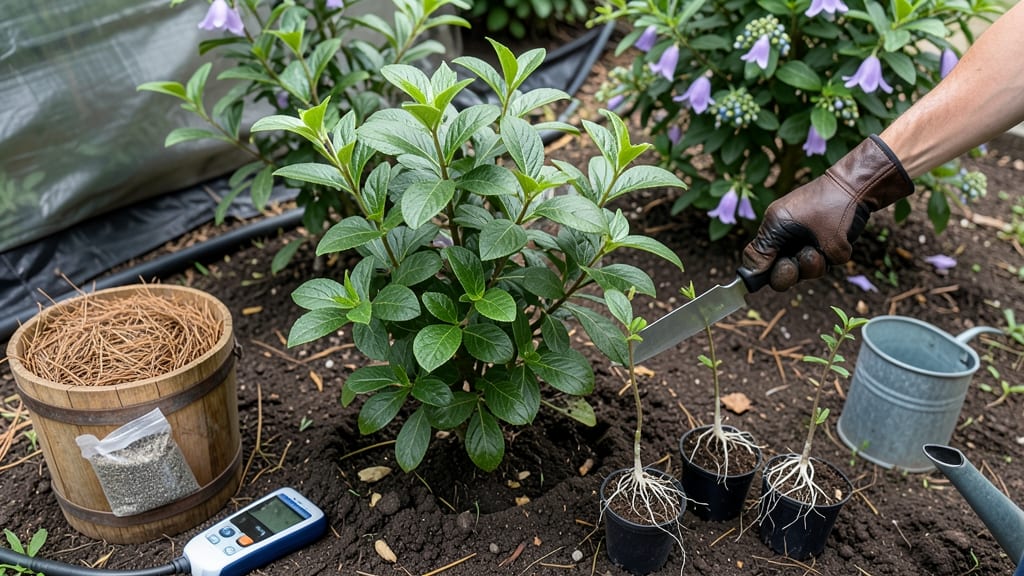
Planting blueberries in Zone 8 at the wrong time can mean the difference between a thriving bush and one that barely survives. With the right timing, you’ll set your 🫐 bushes up for years of sweet harvests—but get it wrong, and you might struggle with stunted growth or poor fruit production.
The best window for planting in Zone 8 is actually late winter to early spring, when soil temperatures are warming but frost isn’t a threat.
This means February or March is your sweet spot, depending on your exact microclimate—coastal areas might have a few extra weeks, while inland zones should wait until after the last frost.
But here’s the thing: blueberries are fussy about more than just timing. They need acidic soil, the right variety for your chill hours, and a little extra care to avoid transplant shock.
I’ll walk you through everything you need to know—from choosing cold-hardy varieties to preparing your soil for maximum success.
Ready to grow blueberries that burst with flavor? Let’s dive into the exact steps to plant them at the perfect moment in Zone 8, so you can enjoy a bountiful harvest every summer.

Best months to plant blueberries in Zone 8 for maximum yield
Blueberries thrive in Zone 8 when planted during the ideal window of late winter to early spring, but timing is everything. In this zone, the last frost typically occurs around February 15, and the first frost arrives in mid-November.
Planting too early risks frost damage, while waiting too long can stress young roots before winter dormancy.
For maximum yield, aim to plant your blueberries between February and April. This window ensures roots establish before summer heat arrives. In coastal areas of Zone 8, you might extend planting into early May due to milder microclimates, but inland regions should stick to the earlier window.
The soil temperature is another critical factor. Blueberry roots need the ground to be at least 40°F (4°C) to avoid shock. In most of Zone 8, this aligns with March, making it the sweet spot for planting container-grown bushes or bare-root stock.
If you prefer fall planting, late October is your last chance—just ensure the ground isn’t frozen. Fall-planted bushes benefit from winter’s chill period, which helps break dormancy in spring. However, this method requires extra mulch to insulate roots from freeze-thaw cycles.
Zone 8’s climate variations mean your exact timing may shift slightly. Coastal areas (like San Diego) can plant a month later than inland regions (like Austin). Always check your local frost dates using the USDA Plant Hardiness Zone Map to fine-tune your schedule.
Here’s a quick reference for Zone 8 planting windows based on your location type:
| Location Type | Best Planting Window | Soil Temp Requirement | Key Consideration |
|---|---|---|---|
| Coastal Zone 8 (e.g., San Diego, Santa Barbara) | March–April (or early May) | 45°F+ (7°C+) | Milder winters; extend window |
| Inland Zone 8 (e.g., Phoenix, San Antonio) | February–March | 40°F+ (4°C+) | Hotter summers; plant earlier |
| High Desert Zone 8 (e.g., Flagstaff outskirts) | Late March–April | 45°F+ (7°C+) | Cooler nights; delay slightly |
Avoid planting in late spring (May–June), as summer heat can dehydrate young roots. If you miss the ideal window, opt for container-grown blueberries—they adapt better to transplant shock and can be planted up to June in Zone 8, though yields may be delayed.
For bare-root bushes, soak roots in water for 2–4 hours before planting to prevent desiccation. Container-grown plants, however, can be planted year-round (except winter) since their roots are already established. Always water deeply after planting to eliminate air pockets in the soil.
Pro tip: If your soil is too alkaline (common in Zone 8), amend it with peat moss or sulfur 4–6 weeks before planting. Blueberries hate alkaline soil—their roots won’t absorb nutrients properly, leading to yellow leaves and poor fruit production.
Once planted, mulch with pine needles or wood chips to maintain soil acidity and retain moisture. This step is non-negotiable in Zone 8’s hot summers, where soil can dry out quickly.
Monitor your bushes closely for signs of stress, like wilting or leaf curl, and adjust your watering schedule accordingly.
With the right timing and care, your Zone 8 blueberries will reward you with juicy, homegrown fruit in just 2–3 years—and the secret starts with planting them at the perfect moment. 🫐
Best months to plant blueberries in Zone 8 for maximum yield
Timing is everything when planting blueberries in Zone 8. Unlike cooler climates, Zone 8’s mild winters and hot summers demand precise scheduling to avoid transplant shock or heat stress.
The ideal window is late winter to early spring—typically between February and March—when soil temperatures rise above 40°F (4°C) but before summer’s peak heat arrives. Planting too early risks frost damage, while waiting too long exposes young roots to drought.
Zone 8’s microclimates (coastal vs. inland) further complicate timing. Coastal areas with milder winters can plant as early as late January, while inland regions should wait until March to avoid late frosts.
Always check your local last frost date—aim to plant 2–4 weeks before to give roots time to establish before summer’s intensity.
📅 Spring vs. Fall Planting in Zone 8
| Factor | Spring Planting | Fall Planting |
|---|---|---|
| Best Months | February–March | September–October |
| Soil Temp | 40–50°F (4–10°C) | 50–60°F (10–15°C) |
| Pros | Longer growing season, less frost risk | Cooler temps reduce stress, established roots for winter |
| Cons | Summer heat stress if planted late | Limited time for root establishment before winter |
| Best For | Bare-root plants, container-grown bushes | Established nurseries, cooler inland zones |
For Zone 8 gardeners, spring planting is generally preferred because it aligns with natural growth cycles. However, fall planting (September–October) can work in cooler microclimates if you choose container-grown bushes with established root systems. Avoid fall planting in hot inland areas—roots won’t have time to harden off before winter.
One critical mistake in Zone 8 is planting bare-root blueberries too early. These need chilled soil to break dormancy, but Zone 8’s mild winters can trick them into sprouting prematurely.
If you’re using bare-root plants, soak roots for 2–4 hours before planting and plant deeper than the root flare to protect them from heat.
After planting, prioritize mulching with pine bark or pine needles to maintain soil acidity and retain moisture. Water deeply 2–3 times per week for the first month, then taper to weekly deep waterings once established. In Zone 8’s intense summers, afternoon shade can prevent heat stress on young plants.
With the right timing and care, your blueberry bushes will thrive in Zone 8, producing fruit in 2–3 years instead of struggling for years to adapt. The key?
Plant in early spring, prep your soil like a pro, and keep those roots cool and moist until they’re ready to take on the heat. 🌱