
Plants
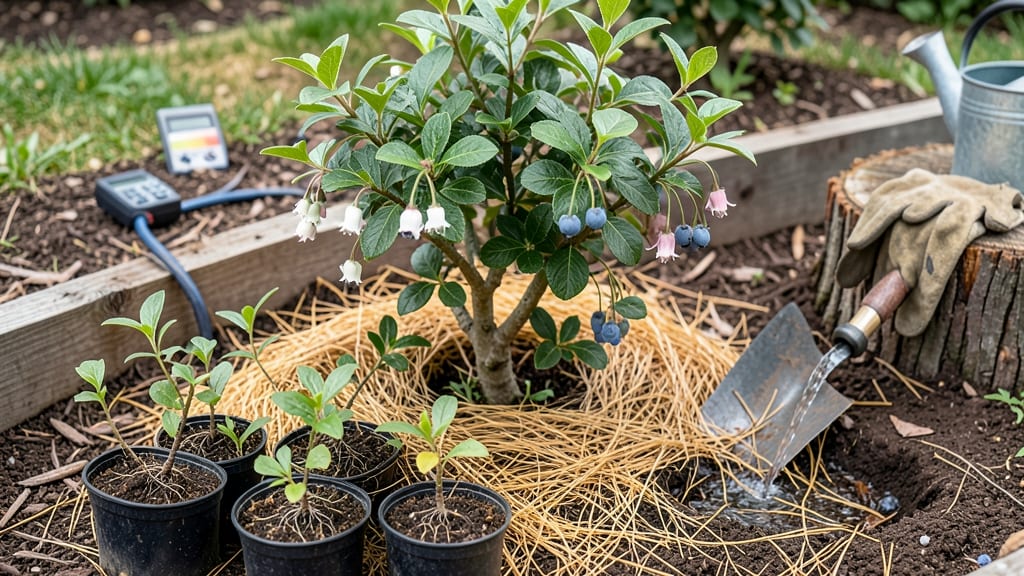
Knowing when to plant blueberries in Zone 6 could mean the difference between a thriving 🫐 bush and one that struggles—or worse, fails entirely. Unlike many plants, blueberries are picky about timing, soil conditions, and even the phase of the moon (well, not really, but the seasons matter a lot!).
In Zone 6, where frost lingers until mid-April and returns by October, getting the window right is everything.
Most gardeners assume spring is the only time to plant, but fall actually offers a better chance for success in your climate. The key lies in soil temperature, frost dates, and giving your blueberries enough time to establish roots before winter hits.
Whether you're planting bare-root bushes or container-grown varieties, the right timing ensures your plants take off strong.
I’ve planted blueberries in Zone 6 for years, and I’ll share exactly which months work best—plus how to prepare your soil, avoid common mistakes, and keep your bushes happy through their first winter. Let’s get those roots in the ground at the perfect moment.
Ready to grow juicy, homegrown blueberries? The clock is ticking—literally. Grab your gloves, and let’s dive into the exact months that’ll set your blueberry bushes up for a bountiful harvest.

Best planting months for blueberries in Zone 6: exact timing guide
Blueberries thrive when planted during their dormant season, which in Zone 6 means either early spring (just before buds swell) or early fall (before the first frost). The key is avoiding extreme heat or frost, which can shock young roots.
For most of Zone 6, this translates to April–early June or September–October, depending on your exact sub-zone (6a vs. 6b).
Zone 6’s last frost date typically falls around mid-April, but this varies by microclimate.
Planting too early risks frost damage, while waiting too long means roots struggle to establish before winter. Fall planting is often preferred because cooler soil temperatures reduce transplant shock, and the bush can focus on root growth before dormancy.
Here’s the exact timing breakdown for Zone 6, including soil temperature cues and frost risks you must watch for:
| Planting Window | Ideal Soil Temp (°F) | Frost Risk | Zone 6 Timing |
|---|---|---|---|
| Early Spring | 45–55°F | Low (after last frost) | Late April–early May |
| Late Spring | 55–65°F | None | Early June (bare-root only) |
| Early Fall | 50–60°F | None (before first frost) | September–early October |
| Late Fall | Below 40°F | High | Avoid (roots won’t establish) |
For Zone 6a (colder microclimates), aim for late April–early May in spring or September in fall. In Zone 6b (warmer areas), you can extend spring planting to early June or fall planting to early October.
Always check your local frost dates—tools like the National Weather Service or Almanac’s Frost Calculator are lifesavers.
If you’re planting container-grown blueberries (potted plants), you have a slightly wider window—April through October—but still avoid extreme heat or frost.
Containers dry out faster, so monitor soil moisture closely during summer planting. Bare-root plants, however, must go in the ground as soon as possible after purchase to prevent root desiccation.
Pro tip: Test your soil temperature before planting. Stick a soil thermometer 4–6 inches deep; if it’s below 45°F, wait a few weeks.
Cold soil can stunt root growth, setting your bush up for failure. Mulch heavily after planting (3–4 inches of pine bark or straw) to regulate soil temperature and retain moisture.
One mistake I see often is planting too late in spring (after June 1) or too early in fall (before September 15).
Both timings stress the plant and reduce first-year yields. Fall planting is my top recommendation for Zone 6—it gives roots time to establish before winter, and the bush starts producing flowers earlier the following spring.
For northern Zone 6 (closer to 6a), prioritize fall planting to avoid spring frosts.
In southern Zone 6 (6b), you can push spring planting later, but don’t wait past early June—summer heat will stress young plants. Hardiness matters: Choose northern-highbush varieties like ‘Bluecrop’ or ‘Patriot’ for Zone 6’s climate.
Remember, blueberries are perennials, so getting the timing right now means decades of harvests. Take your time with soil prep, watch those frost dates, and your bushes will reward you with juicy, homegrown berries for years to come. 🫐
Best planting months for blueberries in Zone 6: exact timing guide
In Zone 6, timing your blueberry bushes correctly means the difference between a flourishing harvest and a struggling plant. The ideal windows are early spring (April–early June) or fall (September–October), when soil temperatures hover between 40°F and 60°F.
These periods allow roots to establish before summer heat or winter frost strikes.
Spring planting gives your blueberries a head start on growth, but fall planting offers a longer root establishment period before dormancy. Both seasons avoid extreme temperature swings that can shock young plants. For bare-root plants, spring is often preferred, while container-grown bushes can handle fall planting better.
| Season | Best Time | Soil Temp | Key Consideration |
|---|---|---|---|
| Spring | April–early June | 40°F–60°F | Plant after last frost; water deeply to prevent drought stress. |
| Fall | September–October | 50°F–60°F | Plant 6–8 weeks before first frost; mulch heavily for winter protection. |
For Zone 6 gardeners, late April to early May is the sweet spot for spring planting. This aligns with soil warming and frost-free periods in most regions. Check your local frost dates—planting too early risks frost damage to tender new growth.
Avoid planting in late summer (July–August) when heat and drought stress young roots. If you miss spring or fall, container planting offers flexibility—just ensure your pots have drainage holes and use acidic potting mix to mimic ideal soil conditions.
Pro tip: Northern Zone 6a areas (colder microclimates) should lean toward late spring or early fall, while Southern Zone 6b can push slightly earlier. Always amend soil with peat moss or sulfur to maintain the acidic pH (4.5–5.5) blueberries crave.
With the right timing, your blueberry bushes will reward you with juicy berries in 2–3 years—not the years of struggle that comes from planting at the wrong time. 🫐