
Plants
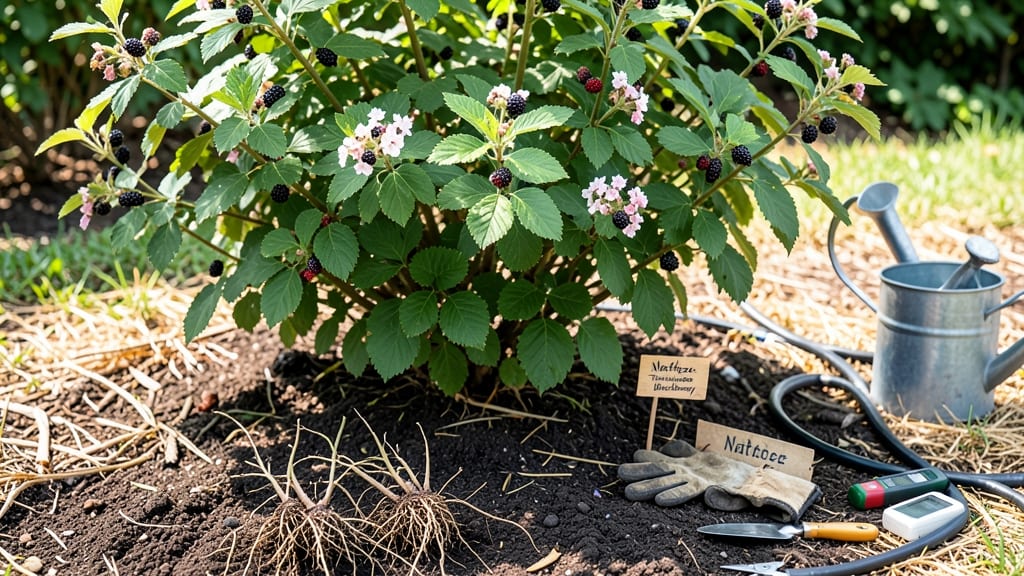
Planting blackberries at the wrong time in Louisiana’s humid climate can mean the difference between a thriving bush and a struggling investment. The key to success lies in understanding when to plant blackberries in Louisiana—whether you're in the swamps of the south or the rolling hills of the north.
With Louisiana’s 8a-9b zones, your planting window is narrow but critical.
Late winter through early spring (February to March) gives young canes time to establish roots before summer’s brutal heat, while early fall (September to October) offers a second chance for those who miss the spring window.
Why does timing matter so much? Blackberries hate soggy roots and fungal diseases—both common in Louisiana’s wet summers. Planting too early risks frost damage, while waiting too long means your canes won’t have time to harden off before the heat sets in.
Let’s break down the best weeks to plant, how to prep your soil, and what mistakes to avoid so your 🫐 bushes grow strong and productive. Ready to get started?
Louisiana blackberry planting calendar: best weeks by variety type
Louisiana’s humid subtropical climate (USDA zones 7-9) creates unique challenges for blackberry growers. Unlike northern states, we don’t have to worry about harsh winters, but heat stress and fungal diseases become major concerns if you plant at the wrong time.
The key is timing your planting to avoid summer’s brutal heat while giving roots time to establish before fall rains arrive.
For Louisiana gardeners, the ideal planting windows are late winter/early spring (February-March) or early fall (September-October). These periods balance soil warmth, moisture availability, and pest pressure. Let’s break down the best weeks for each variety type and regional microclimates.
Thornless varieties (like 'Natchez' or 'Chester') are popular in Louisiana because they’re easier to harvest, but they still need precise timing. Traditional varieties (like 'Arapawa' or 'Ouachita') thrive in our heat but require slightly different care. Both benefit from bare-root planting, which gives roots a head start in Louisiana’s rich, slightly acidic soil (pH 5.0-6.0).
| Variety Type | Best Planting Window | Regional Adjustments | Key Consideration |
|---|---|---|---|
| Thornless (Natchez, Chester) | Feb 15 - Mar 15 | Coastal areas: push to Mar 1-15 | Avoid early Feb frost risk |
| Traditional (Arapawa, Ouachita) | Sep 1 - Oct 15 | North LA: extend to Oct 30 | Establish roots before winter rains |
| Everbearing (Apache, Triple Crown) | Feb 1 - Feb 15 OR Sep 15-30 | All regions: avoid Nov planting | Multiple harvest cycles needed |
If you’re in southern Louisiana (like New Orleans or Lafayette), you can safely plant thornless varieties until March 15 because the last frost typically occurs by February 15. However, northern Louisiana (Shreveport, Monroe) should aim for February 20-March 10 to avoid late frosts that can damage tender new growth.
For fall planting, September is ideal because it gives roots 6-8 weeks to establish before winter dormancy. Planting in October is risky—roots may not have time to anchor before cool-season fungal pressures increase.
Everbearing varieties like 'Apache' can handle a slightly later fall window (September 15-October 15) because they produce fruit on both old and new wood.
One critical regional factor is microclimates. Coastal areas (like Grand Isle) stay warmer longer, so you can plant thornless varieties up to March 30.
Inland areas (like Alexandria) should stick to the earlier windows to avoid spring heat stress, which can cause flower drop and reduced yields.
Pro tip: Soil temperature is more important than calendar dates. Use a soil thermometer—roots need soil temps above 60°F for optimal establishment. In Louisiana, this usually aligns with late February for spring and early September for fall, but always verify before planting.
After planting, mulch heavily (3-4 inches of pine straw or wood chips) to retain moisture and regulate soil temps. This is non-negotiable in Louisiana’s hot, humid summers, where mulch can reduce soil temps by 10-15°F and cut evaporation by 70%.
Without mulch, your blackberries will struggle to establish roots before summer drought stress sets in.
🌱 Remember, Louisiana’s long growing season means blackberries can produce fruit year-round in ideal conditions. By planting at the right time, you’ll set your bushes up for maximum yield and minimal disease pressure—giving you homegrown berries from May through September.
Critical mistakes to avoid when planting blackberries in Louisiana’s climate
Louisiana’s humid subtropical climate creates unique challenges for blackberry growers. Planting at the wrong time or ignoring local conditions can lead to fungal infections, poor root growth, or even plant death. I’ve seen firsthand how a few simple mistakes can derail even the most enthusiastic gardener’s plans.
The biggest mistake? Planting too early in spring when soil temperatures are still cool. Blackberries need warm soil (60°F+) to establish roots quickly. In Louisiana’s USDA Zones 8a-9b, waiting until mid-March ensures soil warmth without risking late frosts.
Another common error is ignoring soil pH. Louisiana’s native soils often test acidic (below 5.0), but blackberries thrive in 5.0-6.0 pH range. I recommend testing your soil and amending with lime or sulfur before planting. Skipping this step means poor nutrient uptake and stunted growth.
⚠️ Warning: Planting Pitfalls
- 🌡️ Planting in cold soil → Roots rot before establishing
- 🌱 Skipping mulch → Soil stays too wet → fungal diseases
- 🌿 Overcrowding plants → Poor airflow → berry rot
- ☀️ Planting in shade → Weak canes → low fruit production
"In my New Orleans garden, I lost three blackberry bushes the first year because I planted them in partial shade near oak trees. Lesson learned: full sun is non-negotiable."
Don’t forget about mulching. Louisiana’s summers bring intense heat and sudden rainstorms. A 3-inch layer of mulch (pine straw or wood chips) helps regulate soil temperature and retain moisture. Without mulch, your plants will struggle during summer droughts or suffer from root rot in heavy rains.
Finally, many gardeners underestimate pruning needs. Blackberries require annual winter pruning to remove dead canes and encourage new growth. If you skip this, your bushes become overgrown and unproductive. I prune mine in late winter (February) before new growth begins.
By avoiding these common mistakes, you’ll give your blackberries the best possible start in Louisiana’s challenging climate. The key is preparation—test your soil, time your planting, and protect your plants from the elements. With the right approach, you’ll enjoy bountiful harvests for years to come. 🌱