
Plants
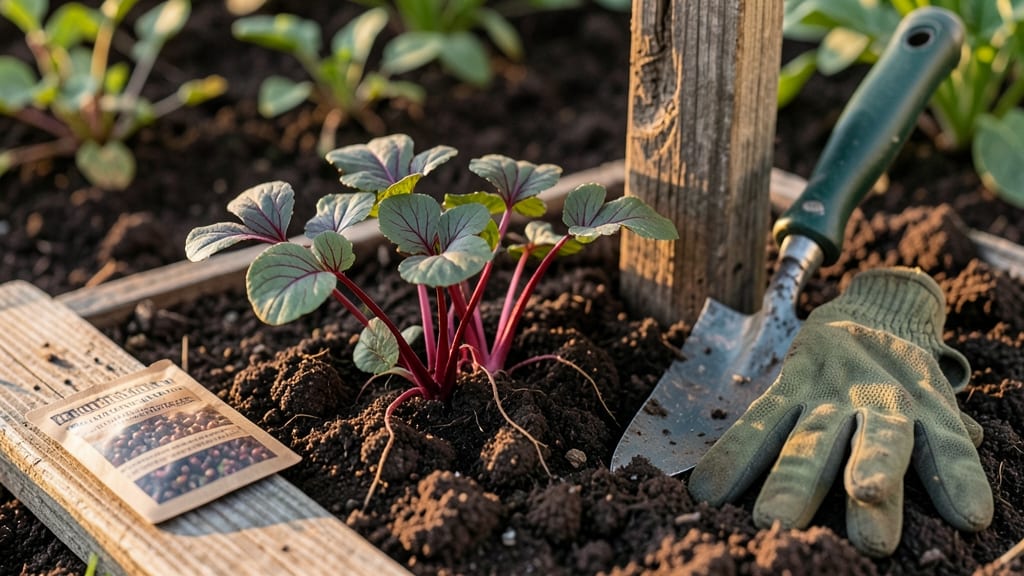
Timing your fall beet planting just right means the difference between sweet, tender roots and bitter, woody failures. The secret? Planting 6-8 weeks before your first frost—not too early (or they’ll bolt) and not too late (or frost will ruin them).
For gardeners in USDA Zone 6a, that window opens around early September, giving your 🍠 beets enough time to mature before winter sets in. But what if you’re in a warmer zone?
Or want to extend your harvest? I’ll break down the exact timing and strategies to keep your beets thriving through the season.
Why does timing matter so much? Beets need 60-70 days to reach harvest size, and cooler fall temperatures actually sweeten their flavor. The key is balancing daylight, soil warmth, and frost dates—without overcomplicating it. Let’s make sure you get it right the first time.
You’ll learn how to adjust for your specific climate, avoid common mistakes, and even explore succession planting to keep fresh beets on your table well into winter. Ready to grow the best fall beets you’ve ever tasted?
Optimal fall planting timeline for beets based on your hardiness Zone
Timing your fall beet planting is all about working with your local frost dates and USDA hardiness zone. The golden rule? Plant 6-8 weeks before your first expected frost to ensure mature roots before winter sets in.
For example, in Zone 5, where frost typically arrives by mid-October, you’d sow seeds by early to mid-August.
Beets thrive in cooler weather, so they’re perfect for fall gardens. However, daylength sensitivity means planting too early can trigger bolting (flowering). The key is balancing maturity time (50-70 days) with frost-free growing days. Let’s break it down by zone to help you pinpoint your ideal window.
📅 Pro Tip: Check your average first frost date using the USDA Plant Hardiness Zone Map or local agricultural extensions. Then, count backward 6-8 weeks to determine your planting date.
| USDA Zone | First Frost Date | Ideal Planting Window | Variety Recommendation |
|---|---|---|---|
| Zones 3-4 | Mid-September to early October | Late July to mid-August | Early maturing (e.g., Detroit Dark Red, Babybeat) |
| Zones 5-6 | Late September to mid-October | Early to mid-August | Medium maturing (e.g., Golden, Chioggia) |
| Zones 7-8 | Mid-November to early December | Late August to early September | Late maturing (e.g., Ruby Queen, Boltardy) |
| Zones 9-10 | December to January | Late September to early October | Cold-hardy varieties (e.g., Cylindra, Detroit Dark Red) |
🌱 Note: Adjust dates 1-2 weeks earlier for cooler microclimates or later for warmer microclimates.
For succession planting, sow new seeds every 2-3 weeks until 6 weeks before frost. This ensures a continuous harvest and reduces the risk of bolting from fluctuating temperatures. For example, in Zone 6, you could plant on August 1st, 15th, and 30th for staggered maturity.
If you’re in a warmer climate (Zones 9-10), consider overwintering beets for early spring harvests. Use row covers or mulch to protect plants from light frosts (28°F tolerance). In colder zones (3-5), focus on fast-maturing varieties and harvest before hard frosts (20°F).
Always test your soil temperature—beets prefer 50-75°F. Use a soil thermometer to confirm readiness. If soil is too warm (80°F+), delay planting until temperatures drop naturally or use shade cloth.
In northern latitudes (Zones 1-4), extend your season with cold frames or low tunnels. These can push your harvest window 2-4 weeks later by trapping heat. For instance, in Zone 4, a cold frame might let you harvest into early December instead of November.
Remember, fall beets taste sweeter after frost (28-32°F) but before hard freezes (20°F). Plan to harvest just before consistent freezing to enjoy that caramelized flavor without risking rot.
Optimal fall planting timeline for beets based on your hardiness Zone
Timing your fall beet planting depends on your USDA hardiness zone and first frost date. Aim to sow seeds 6-8 weeks before frost to ensure roots mature before cold sets in.
In Zone 3-5, start in mid-July to early August—earlier zones have shorter growing seasons. Warmer Zones 6-10 can plant until late September, giving roots time to sweeten before winter.
For continuous harvests, try succession planting every 2-3 weeks in early fall. This works best in Zones 5-10 where mild winters allow later sowings. Always check your local frost calendar—even a light frost can damage young beets, so plan ahead!
| Zone | Planting Window | Early Variety | Late Variety |
|---|---|---|---|
| 3-4 | Mid-July to early August | Detroit Dark Red | Early Wonder Tall Top |
| 5-6 | Late July to mid-September | Boltardy | Golden |
| 7-8 | Early August to late September | Chioggia | Ruby Queen |
| 9-10 | Late August to October | Merlot | Detroit Dark Red |
In Zones 9-10, you can even try overwintering beets by planting in late September. Use row covers or mulch heavily to protect roots from freezing. These beets will be extra-sweet after winter’s chill, perfect for spring harvests!
For northern climates (Zones 3-5), focus on early-maturing varieties like Detroit Dark Red, which tolerates cooler soils. In southern zones (6-10), longer days mean you can extend planting until late September—just avoid planting when daylight drops below 12 hours, or beets may bolt.
Pro tip: Use a planting calculator (like the Old Farmer’s Almanac) to pinpoint your exact dates. Input your zip code and variety for precise timing—no guesswork needed!
Remember, soil temperature matters too. Beets germinate best in soil 50°F or warmer. If your soil cools too quickly, use black plastic mulch to retain heat and speed up growth.