
Plants
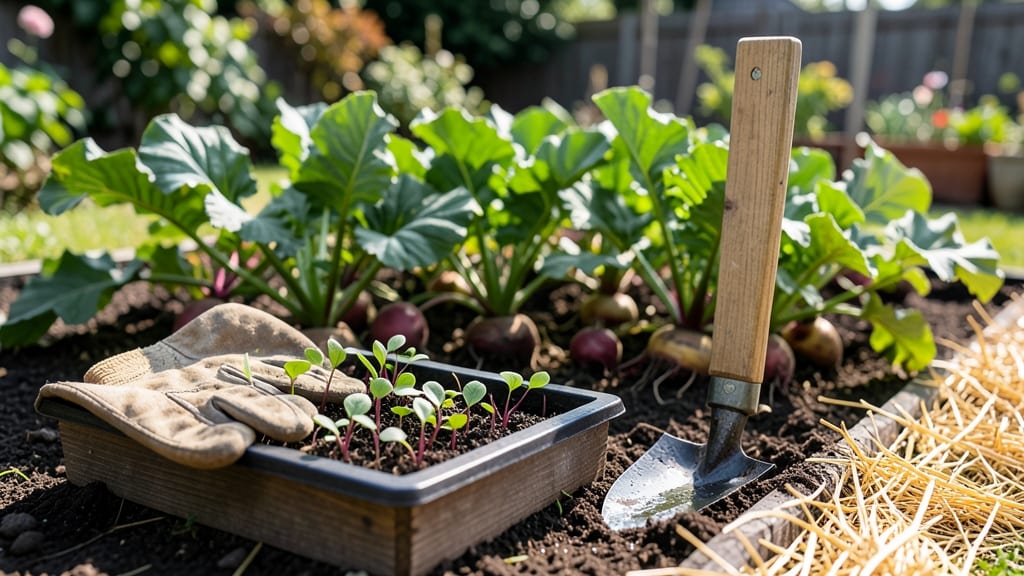
Knowing when to plant beets in Louisiana is the key to avoiding bitter, bolted greens and harvesting sweet, tender roots instead. The state’s humid climate and long growing season make timing everything—especially since beets hate summer heat.
If you’ve ever watched your beet seedlings wilt under the sun or bolt prematurely, you’re not alone. Louisiana’s 8a-9b zones demand a strategic approach: plant in September-October for fall harvests or February-March for spring yields. These windows let you sidestep the worst heat while maximizing soil moisture.
Beyond dates, the right varieties make all the difference. Heat-resistant types like ‘Detroit Dark Red’ thrive in Louisiana’s conditions, while proper soil prep—rich in organic matter—helps roots develop deep and sweet. Let’s break down the exact steps to turn your garden into a beet bonanza.
From frost dates to companion planting, I’ll share the insider tips that keep 🍠 plants happy year-round. Whether you’re in North Louisiana or New Orleans, these methods work—so grab your gloves and let’s get growing!
Louisiana beet planting calendar: best months to avoid bolting and heat stress
Louisiana’s humid subtropical climate (USDA zones 8a-9b) demands precise timing to grow sweet, tender beets. Plant too early, and bolting turns your harvest bitter. Too late, and heat stress stunts growth. The key? Cool-season planting in fall and early spring when soil temps stay below 75°F.
Beets thrive in Louisiana’s fall and winter months when temperatures dip below 80°F. The last frost date (around February 15) signals the start of spring planting, while first frost (around December 1) marks the end of fall harvests.
Timing is everything—miss it, and you’ll battle bolting or heat stress.
Here’s your Louisiana beet planting calendar, broken down by season with temperature thresholds and heat-resistant variety recommendations to maximize yield:
| Season | Planting Window | Soil Temp | Air Temp | Best Varieties | Harvest Window |
|---|---|---|---|---|---|
| Fall | August 15–September 30 | 60–75°F | 70–85°F | ‘Detroit Dark Red’, ‘Chioggia’ | November–December |
| Winter | October 1–November 15 | 50–65°F | 55–70°F | ‘Golden’ (heat-tolerant) | December–January |
| Spring | February 15–March 31 | 55–65°F | 60–75°F | ‘Cylindra’ (bolt-resistant) | April–June |
| Late Spring (Risky) | April 1–May 15 | 65–70°F | 75–85°F | None (high bolting risk) | N/A |
🌱 Pro Tip: Use shade cloth in late spring to delay bolting.
North Louisiana’s cooler microclimates (like Shreveport) allow for earlier spring plantings (late January), while New Orleans’ heat pushes fall plantings to September 15 or later. Always check your local frost dates—they vary yearly!
For fall plantings, aim for 60–75°F soil temps to avoid bolting. In spring, wait until soil warms to 55°F—planting too early risks frost damage. Use a soil thermometer to monitor temps; 60–70°F is ideal for germination.
Bolting occurs when beets sense heat or drought stress. In Louisiana, this means late spring plantings (after April 1) are risky unless you use shade cloth or succession planting. For extended harvests, stagger plantings every 2–3 weeks in fall and spring.
If you’re in South Louisiana (e.g., Lafayette or Baton Rouge), prioritize fall plantings—spring heat will bolt most varieties. In North Louisiana, you can attempt early spring (February) and fall (August–September) plantings with success.
Always harden off seedlings before transplanting, especially in humid Louisiana conditions. Acclimate plants to outdoor temps over 5–7 days to prevent shock. Avoid planting in summer heat—beets will bolt or develop woody, bitter roots.
For container gardening, use 5-gallon pots with well-draining soil and plant in partial shade during peak summer months. Containers heat up faster, so monitor soil moisture closely—drought stress accelerates bolting.
🌿 Key Takeaway: Louisiana’s fall and early spring windows are your best bets for sweet, tender beets. Use heat-resistant varieties and shade cloth to extend harvests, and always check soil temps before planting!
Louisiana beet planting calendar: best months to avoid bolting and heat stress
Louisiana’s humid subtropical climate demands precise timing for beet planting—miss the window, and you’ll face bolting (premature flowering) or heat stress. The ideal planting months are September-October for fall and February-March for spring, aligning with soil temperatures between 55°F-75°F.
North Louisiana’s cooler microclimates (USDA Zone 8a) allow slightly earlier spring plantings, while New Orleans’ Zone 9b can extend fall harvests until mid-December. Always check your local last frost date—typically February 15—to time plantings perfectly.
| Season | Planting Window | Soil Temp | Harvest Window | Key Tips |
|---|---|---|---|---|
| Fall | September-October | 55°F-75°F | November-December | Use shade cloth in late October |
| Spring | February-March | 55°F-65°F | April-June | Mulch to retain moisture |
| Avoid | June-August | Above 80°F | N/A | Beets bolt in heat |
For extended harvests, try succession planting in late August or early November—just protect seedlings with row covers if nighttime temps dip below 50°F. Louisiana’s high humidity also increases fungal risks, so always plant in well-draining soil with 1-2 inches of compost mixed in.
Pro tip: Direct-sow seeds (don’t transplant) to avoid root shock. Space them 1 inch apart and thin to 3-4 inches when seedlings have 2 true leaves. This prevents overcrowding, which stresses plants and invites pests like leaf miners.
Monitor your beets’ leaf color—yellowing or purple streaks signal heat stress or nutrient deficiencies. In Louisiana’s clay-heavy soils, a light fertilizer (5-10-10) at planting time boosts early growth without burning tender roots.
Remember: Patience pays off. Beets need 50-70 days to mature, so plan your schedule around holiday meals or farmers’ market deadlines. With the right timing, you’ll enjoy crisp, sweet roots straight from your Louisiana garden!