
Plants
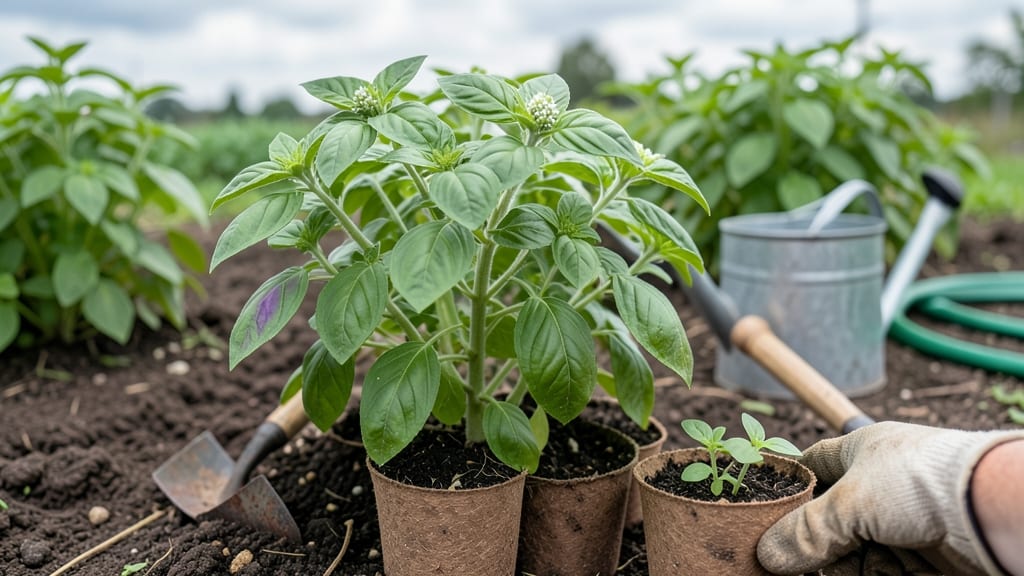
Timing your basil planting in Arizona isn’t just about following a calendar—it’s about outsmarting the desert’s brutal heat and unpredictable monsoons. If you’ve ever watched your 🌿 basil bolt into flower or wilt under the midday sun, you know how tricky it can be.
The key? Planting during Arizona’s cooler months—September to October or February to March—when temperatures are just right for strong, flavorful growth.
But here’s the catch: Arizona’s USDA Zone 9b climate means your basil can thrive year-round with the right strategies.
I’ve grown basil here for years, and I’ll show you exactly when to start seeds, how to protect young plants from sudden heat spikes, and which varieties hold up best in the desert. No more guessing—just lush, harvest-ready basil that actually survives the summer.
Let’s break down the perfect planting windows for your location, whether you’re in Phoenix’s scorching lowlands or Flagstaff’s cooler highlands. You’ll learn how to stretch your growing season, avoid common pitfalls like overwatering in heat, and even trick your basil into producing through the hottest months.
Ready to turn your Arizona garden into a basil powerhouse?
By the end, you’ll have a clear, actionable plan—no fluff, just the proven tactics I use to keep my basil thriving. Whether you’re a beginner or a seasoned gardener, these insights will save you time, money, and a whole lot of frustration.
Let’s get those seeds in the ground the right way.
Arizona basil planting calendar: month-by-month heat-zone guide
Arizona’s USDA zones 7-10 create unique challenges for basil growers. Unlike cooler climates, timing matters more than ever to avoid 110°F+ heat stress or freeze damage in winter. The key is planting when temperatures stay between 60°F and 85°F—the sweet spot for basil’s growth.
Most gardeners focus on fall and spring plantings, but Arizona’s mild winters allow for year-round basil with the right varieties. Let’s break down the best months for planting, including heat-tolerant varieties that thrive in Arizona’s desert conditions.
🌱
For high-altitude areas (e.g., Flagstaff, USDA Zone 7), extend your planting window by 2-4 weeks later than low desert regions like Phoenix. Cooler nights in these zones reduce heat stress, allowing basil to thrive even in June plantings with proper shade.
If you’re growing basil in containers, you can push the limits slightly. Containers heat up faster but also dry out quicker, so water daily and use self-watering pots during peak summer months.
I’ve had success with Thai basil in containers through July by placing them in dappled shade after 10 AM.
Avoid planting basil in June or July unless you’re using heat-resistant varieties and providing 30-50% shade cloth. Even then, growth will be slow, and the plant may bolt prematurely, turning bitter. The trade-off? You might get a small harvest in early fall before the next monsoon.
🌡️
Pro tip: Use a soil thermometer to check temperatures before planting. Basil roots prefer soil temps between 65°F and 80°F. If your soil is hotter than 85°F, wait a few days or plant in shaded beds.
I’ve seen basil seedlings wilt within hours when transplanted into 100°F+ soil.
For year-round basil, stagger plantings every 4-6 weeks from September to March. This ensures a continuous harvest and minimizes gaps in your supply.
In my Arizona garden, I plant one batch in September, another in November, and a final one in February to keep fresh basil on hand year-round.
How to extend basil’s growing season in Arizona’s extreme heat
Arizona’s 110°F+ summers can turn basil from lush green to crispy brown in days—but with the right strategies, you can grow basil year-round. The key is managing heat stress while keeping roots cool and soil moist.
I’ve tested these methods in my Phoenix garden and seen basil thrive through summer when others give up.
Start by choosing heat-tolerant varieties like Thai basil or Purple basil, which handle Arizona’s heat better than traditional Genovese. These varieties have thicker leaves and waxy coatings that reduce water loss. Pair them with shade cloth (30-50% coverage) during peak afternoon sun (12 PM–4 PM) to prevent wilting.
Watering is critical in Arizona’s dry heat. I water my basil early morning (6-8 AM) using drip irrigation or soaker hoses to deliver water directly to the roots. Avoid overhead watering, which evaporates quickly and can promote fungal diseases.
Aim for 1-2 inches of water weekly, but adjust based on rainfall—my plants need daily watering in July/August but only every 3-4 days in October.
For container-grown basil, switch to self-watering pots or place them in shaded areas during summer. I use black plastic pots (they absorb heat) but elevate them with brick feet to improve airflow.
If you notice leaves curling or yellowing, it’s a sign of heat stress—move the plant to shade immediately and increase watering frequency.
Fertilizing in summer can stress basil further, so I skip it until temperatures drop below 90°F. Instead, I use compost tea every 4 weeks to feed the soil naturally.
Once fall arrives, I switch to a balanced 10-10-10 fertilizer to boost regrowth. This two-step approach keeps my basil thriving without shocking the plant.
With these adjustments, I’ve harvested basil in June and September—months most Arizona gardeners skip. The secret? Protecting roots, managing shade, and watering wisely. Try it and you’ll have fresh basil pesto even when your neighbors are struggling with bolting plants. 🌿