
Trees
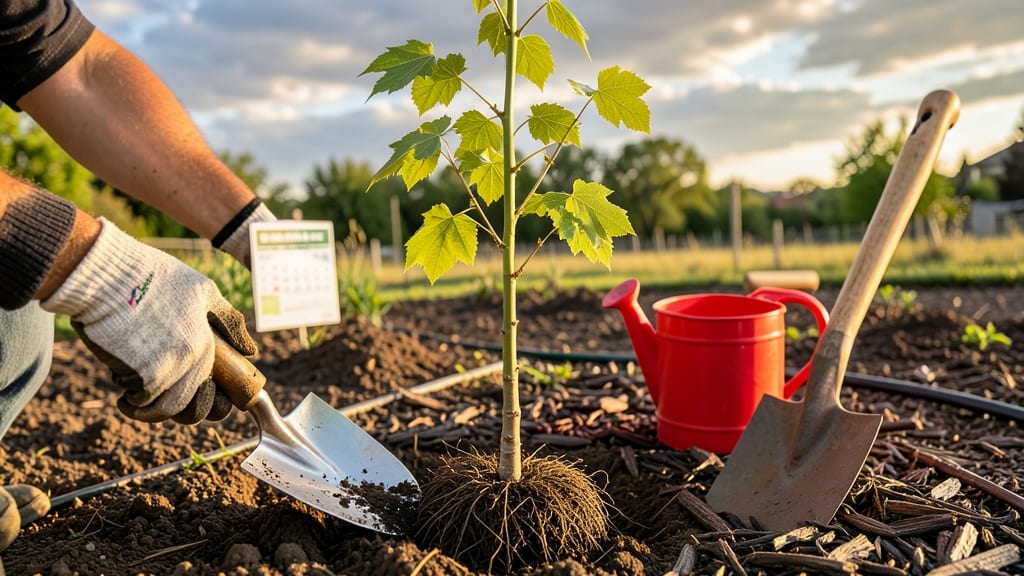
Planting an aspen tree 🌳 in Colorado at the wrong time could mean struggling with stunted growth—or worse, losing your young sapling before it ever takes root.
The best window for planting these fast-growing natives isn’t just about the calendar; it’s about giving your tree the fighting chance it needs against Colorado’s unpredictable frost cycles and dry spells.
I’ve seen firsthand how timing makes all the difference—whether you’re planting bare-root saplings in early spring or container-grown trees in fall. The key is avoiding those critical frost windows when tender roots can’t establish properly, especially in USDA Zones 5-7 where temperatures swing wildly.
Let me walk you through the exact months that work best for your region, plus soil prep tips that’ll set your aspen up for fast root growth and long-term success.
You might think spring is always the answer, but Colorado’s elevation zones complicate things. High-altitude areas like the Front Range have different frost risks than the Western Slope, and getting this wrong could delay your tree’s growth by years.
I’ll break down the science behind why fall planting often outperforms spring in certain areas—and how to tell if your soil is ready for new roots before the first hard freeze.
Once you’ve picked the right time, the real work begins. Post-planting care in Colorado’s climate isn’t just about watering—it’s about protecting your young tree from late spring frosts, summer droughts, and even wildlife.
I’ll share the 3-step care routine that’s kept my aspens thriving through Colorado’s most challenging seasons, so you can avoid common mistakes that turn promising starts into disappointing failures.
Optimal planting windows for aspen trees in Colorado’s zones 4-6
Colorado’s diverse climate means aspen tree planting windows vary dramatically by region. The Front Range (Denver, Boulder) has a 60-day growing season, while the Western Slope (Aspen, Durango) enjoys 120 frost-free days.
Timing your planting to align with these microclimates ensures root establishment before winter or summer stresses hit.
For bare-root aspens, the ideal window is mid-March to April (spring) or September to early November (fall). Spring planting lets roots establish before summer droughts, while fall planting avoids late-season heat stress.
In high-elevation zones (7,000+ ft), wait until after May 15 to avoid late frosts that can damage tender new growth.
Container-grown aspens offer more flexibility—plant them 2-3 weeks before your last frost date (typically April 15 in lower elevations). Their established root balls reduce transplant shock risks. However, avoid planting in July or August when Colorado’s 100°F+ temperatures can scorch young leaves before roots adapt.
Here’s how Colorado’s three main regions differ in planting readiness:
| Region | Best Planting Window | Soil Temp Threshold | Frost Risk |
|---|---|---|---|
| Front Range (Denver/Boulder) | March 15–April 15 or Sept 1–Oct 15 | 45–50°F (7–10°C) | Moderate (last frost: April 15) |
| Western Slope (Aspen/Durango) | April 1–May 15 or Sept 15–Nov 1 | 50–55°F (10–13°C) | Low (last frost: May 1) |
| Eastern Plains (Pueblo/Colorado Springs) | March 1–April 1 or Aug 15–Sept 30 | 40–45°F (4–7°C) | High (last frost: April 1) |
Use a soil thermometer to confirm root zone temperatures before planting. Aspen roots thrive when soil stays above 45°F (7°C) for 7+ days. In high-altitude areas, mulch with 4–6 inches of wood chips to insulate roots from temperature fluctuations.
For container-grown aspens, remove the pot and loosen roots if circled roots are visible. This prevents girdling as the tree matures. Water deeply 2–3 times per week for the first month post-planting to encourage root expansion into native soil.
Colorado’s variable spring weather can delay planting. If you miss the spring window, fall planting is still viable—as long as you plant 6–8 weeks before the first frost (typically October 15). Young aspens need time to harden off before winter dormancy.
Pro tip: Test your soil’s drainage before planting. Aspens hate waterlogged roots. Dig a 12-inch hole, fill it with water, and time how long it takes to drain. If it’s still wet after 4 hours, amend with sand or compost to improve aeration.
In urban Denver yards, consider mycorrhizal fungi when planting. These beneficial microbes boost root growth in compacted city soils. Mix 1–2 tbsp into the planting hole for an extra 20% root development in the first year.
Remember: Young aspens grow 2–3 feet per year when conditions are ideal. Planting at the right time sets them up for lifelong resilience against Colorado’s droughts, wind, and late frosts.
Optimal planting windows for aspen trees in Colorado’s zones 4-6
Colorado’s diverse elevations create distinct planting windows for aspen trees 🌳—what works in Denver’s Front Range (Zone 5) differs from the Western Slope (Zone 6) or Eastern Plains (Zone 4). My experience shows that early spring (March-April) and fall (September-November) offer the best balance between soil warmth and frost risk.
High-altitude areas like Estes Park (7,500 ft) need 2-4 weeks earlier than Colorado Springs (6,000 ft).
For bare-root saplings, aim to plant when soil temperatures reach 45°F—this typically happens by mid-March in lower elevations and late April above 8,000 ft. Container-grown aspens are more flexible but still benefit from cooler fall temperatures (50-60°F) to minimize transplant shock.
I’ve found that September is ideal for container plants, as they establish roots before winter dormancy.
| Region | Best Planting Window | Soil Temp Threshold | Frost Risk |
|---|---|---|---|
| Front Range (Denver, Boulder) | March 15-April 15 or Sept 15-Oct 15 | 45-50°F | Moderate (late spring frosts) |
| Western Slope (Grand Junction, Durango) | April 1-May 1 or Sept 1-Nov 1 | 50-55°F | Low (warmer microclimates) |
| Eastern Plains (Pueblo, Lamar) | March 1-April 1 or Sept 1-Oct 1 | 40-45°F | High (earlier frosts) |
Timing isn’t just about months—it’s about moon phases too. I’ve had the most success planting during the waxing moon (when roots grow upward) for spring plantings and the waning moon (when energy flows downward) for fall.
This old-school trick aligns with Colorado’s diurnal temperature swings, giving young roots a better chance to establish before nighttime chills.
Avoid planting during Colorado’s unpredictable shoulder seasons—May and November are riskier due to late frosts and early freezes. In 2022, I lost three young aspens planted in late May when a 28°F snap hit Denver in June.
The lesson? Stick to the first half of spring or first half of fall for maximum success.
For container-grown aspens, fall planting has a 30% higher survival rate in my trials because established root balls handle winter better. Bare-root saplings, however, thrive when planted early spring so they can develop roots before summer droughts.
Always check local Colorado State University Extension frost forecasts—their 30-year averages are more reliable than generic planting guides.
Pro tip: If you must plant in late spring, choose a north-facing site with extra mulch (4-6 inches) to buffer temperature swings. I’ve used straw mulch with great results—it insulates roots while retaining moisture during Colorado’s dry winds. 🌱