
Plants
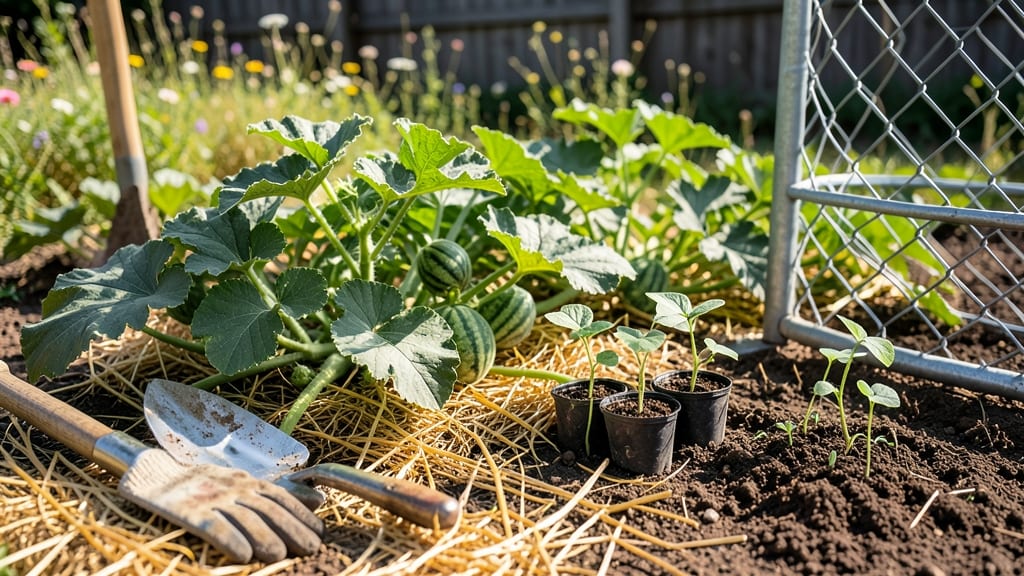
Planting watermelons in Tennessee at the wrong time could mean the difference between a bountiful harvest and wasted effort. With the right timing—after your last frost and when soil hits 70°F—you’ll set your 🍉 up for success in zones 6a-7b.
The ideal window is April 15 to May 15, but regional variations mean some counties should wait until early June.
Why does timing matter so much? Watermelons are heat-lovers that need 180-220 frost-free days to mature, and planting too soon risks cold snaps. In East Tennessee’s cooler microclimates, you might need to delay until soil warms fully, while West Tennessee gardeners can start earlier.
Let’s break down exactly when to plant based on your county’s last frost date.
Starting seeds indoors gives you a head start, but direct sowing after the last frost is often easier for Tennessee’s short season. Whether you choose seedlings or seeds, knowing your soil temperature and local frost patterns is the key to avoiding common mistakes like stunted growth or poor yields.
Ready to grow watermelons that rival the ones at the farmers' market? I’ll walk you through soil prep, planting methods, and even how to extend your growing season in Tennessee’s cooler areas. Let’s get those seeds in the ground at the perfect moment.
Tennessee watermelon planting dates by soil temperature & frost-free deadlines
Watermelons (🍉) thrive in Tennessee’s warm climate, but they demand precise timing to avoid frost damage or missed harvests. The ideal soil temperature for planting is 70-75°F, and seeds won’t germinate well below 55°F.
Since Tennessee spans USDA zones 6a-7b, frost-free dates vary dramatically—from mid-April in West Tennessee to late April in the mountains. Plan accordingly to ensure your vines establish before summer heat arrives.
Most Tennessee gardeners start watermelons outdoors after the last frost date, typically between April 15 and May 15. However, in cooler highland counties like Sullivan or Carter, you may need to wait until May 1 or later.
For direct-sown seeds, aim for 2-3 weeks after your county’s average last frost—this gives seedlings time to harden off before summer’s intensity. If you’re transplanting started seedlings, hold off until soil is consistently 70°F+.
🌱 Key Takeaway: Use your county’s frost-free date as a baseline, then add 10-14 days to account for soil warming. For example, Shelby County (Memphis area) can plant by April 20, while Sevier County (Pigeon Forge) should wait until May 1. Check the Tennessee State University Extension for your specific county’s data.
📋 Visual Guide: Tennessee Watermelon Planting Windows
| Region | Last Frost Date | Ideal Planting Window | Soil Temp Requirement | Harvest Window |
|---|---|---|---|---|
| West TN (Shelby, Davidson, Fayette) | Mid-April | April 15–May 1 | 70–75°F | Late July–September |
| Middle TN (Rutherford, Williamson, Wilson) | Late April | April 20–May 10 | 70–75°F | Early August–September |
| East TN (Sevier, Sullivan, Carter) | Late April–Early May | May 1–May 15 | 70–75°F | Mid-August–Early September |
| All Regions (Indoor Start) | N/A | March 15–April 1 (transplant after frost) | 65–70°F (seedlings) | Same as outdoor |
For direct sowing, drop seeds ½-inch deep in hills spaced 3–6 feet apart, with 2–3 seeds per hill. Thin to the strongest seedling once sprouts emerge.
If you’re transplanting seedlings, harden them off for 5–7 days before moving them outdoors. Black plastic mulch can warm soil faster and speed up germination—ideal for cooler regions like Northeast Tennessee.
Pro tip: Use a soil thermometer to confirm temperatures. If your soil is below 60°F, wait at least a week before planting. Watermelons are heat-loving plants, so the earlier you plant, the longer they’ll have to mature before Tennessee’s first frost (mid-October).
Aim for a 120–150-day growing season to ensure sweet, ripe fruit.
In West Tennessee, where summers are longer, you can even sow a second crop in early June for a fall harvest. Just choose fast-maturing varieties like ‘Sugar Baby’ (70 days) or ‘Crimson Sweet’ (80 days).
In East Tennessee’s shorter season, stick to one planting in early May and prioritize disease-resistant varieties like ‘Charleston Gray’.
Always monitor your local weather forecasts in late spring. A late frost in May can devastate young seedlings, while unseasonably cool soil delays germination.
Tennessee watermelon planting dates by soil temperature & frost-free deadlines
Watermelons thrive in Tennessee’s warm climate, but they’re frost-sensitive and need soil temperatures above 70°F to germinate properly. The last frost date varies across the state—from early April in West Tennessee to late April in the mountains—so timing is critical.
Most gardeners aim to plant between April 15 and May 15, but your exact window depends on your county’s microclimate.
For direct sowing, wait until the soil is consistently 70°F or warmer at a depth of 2 inches. Use a soil thermometer to check—this usually aligns with late April to early May in most of Tennessee.
If you’re transplanting seedlings, start them indoors 3-4 weeks before your last frost date, but harden them off before moving them outside after all frost risk has passed.
| Region | Last Frost Date | Ideal Planting Window | Soil Temp Requirement |
|---|---|---|---|
| West Tennessee (e.g., Memphis, Nashville) | Early April | April 15–May 1 | 70°F+ |
| Middle Tennessee (e.g., Knoxville, Chattanooga) | Mid-April | April 30–May 15 | 70°F+ |
| East Tennessee (e.g., Bristol, Johnson City) | Late April | May 1–May 20 | 70°F+ |
If you’re in a shorter-season county, opt for fast-maturing varieties like ‘Sugar Baby’ (65 days) or ‘Crimson Sweet’ (80 days). These can be planted as late as June 1 in some regions and still yield fruit before the first frost.
Always check your USDA Zone (6a–7b) and local extension office for county-specific advice.
For container growing, start seeds indoors in early April and transplant after the last frost. Use large pots (at least 5 gallons) with drainage holes, as watermelons need room for their extensive root systems. Place containers in a south-facing spot with full sun exposure to mimic ideal growing conditions.
Pro tip: Use black plastic mulch to warm the soil faster and retain moisture. Lay it down 1–2 weeks before planting to give the ground time to heat up. This is especially helpful in cooler mountain regions where soil warms more slowly.
Remember, watermelons need 90–100 days to mature, so plan your planting window to ensure harvest occurs before the first frost—typically mid-October in most of Tennessee. With the right timing, you’ll be slicing into sweet, homegrown watermelons by July or August! 🍉