Plants
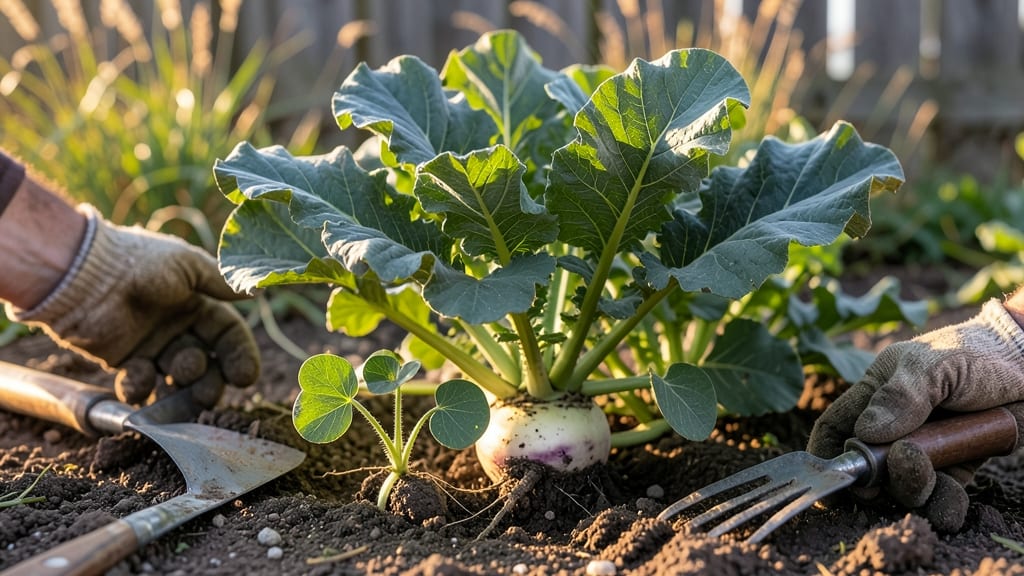
If you're wondering when to plant turnips in Georgia, the answer isn't one-size-fits-all—it depends on your microclimate. Coastal areas, Piedmont valleys, and mountain regions all have different frost dates and heat patterns that affect turnip growth.
Plant too early, and your 🥕 turnips bolt in the heat; too late, and frost ruins your harvest.
For most of Georgia's 7b-9a zones, the sweet spot is late summer to early fall (August–October) or early spring (February–March). But urban heat islands and high-elevation chill zones can shift these windows by weeks.
The key is matching your planting schedule to your local last frost date—typically around March 15—and choosing varieties that handle Georgia's humidity.
You’ll also want to prep your soil right: turnips thrive in well-drained, loose earth with a pH of 6.0–7.0. Whether you're growing purple-top white globe for roots or Tokyo Cross for greens, timing is everything.
Get it wrong, and you’ll end up with bitter roots or leggy tops instead of the crisp, sweet harvest you’re after.
In this guide, I’ll break down the exact planting windows for Georgia’s three main regions, plus tips for adjusting dates based on your yard’s microclimate. Ready to grow the best turnips in your garden? Let’s dig in.
Georgia turnip planting calendar: best months by region (coastal, Piedmont, mountains)
Georgia’s climate varies dramatically from the humid coastal plains to the cooler mountain regions, making turnip planting timing a critical factor for success. Unlike northern states, Georgia’s mild winters and long growing seasons allow for two primary planting windows: early spring and late summer/fall.
However, the exact timing depends on your specific region.
For coastal Georgia (USDA Zones 8a-9a), where humidity lingers and heat arrives early, turnips thrive best when planted in late January through early March for a spring harvest or August through early September for a fall harvest.
The Piedmont region (USDA Zones 7b-8a) offers a slightly longer window, with ideal spring planting from mid-February to early April and fall planting from late July to mid-September.
The mountain regions (USDA Zones 6b-7a) experience cooler temperatures, allowing for earlier spring planting as early as mid-January and extending fall planting into late September. These microclimates can push your turnip harvest into December if protected from early frosts.
Here’s a quick reference for turnip planting windows across Georgia’s regions, including frost dates and ideal harvest periods:
In coastal Georgia, the key is to plant turnips 6-8 weeks before the last frost (typically by mid-March) to ensure they mature before summer heat sets in.
For the Piedmont region, aim to plant in late February for spring harvests or mid-August for fall harvests, as the area’s hot summers can stress turnips if planted too late.
The mountain regions offer the most flexibility due to cooler temperatures. Here, you can start sowing as early as January for spring crops or push fall plantings into late September if you use row covers to protect against early frosts.
This extended window means mountain gardeners can enjoy two full harvests per year with careful planning.
For all regions, soil temperature is a critical factor. Turnip seeds germinate best in soil that’s 45-85°F. In Georgia’s heat, fall plantings benefit from shade cloth during the hottest afternoon hours to prevent bolting. Coastal areas should also prioritize well-draining soil to avoid fungal diseases common in humid conditions.
Succession planting is another smart strategy for Georgia gardeners. In the Piedmont and mountain regions, sow seeds every 2-3 weeks from February to April for a continuous spring harvest. For fall crops, stagger plantings from July to September to extend your harvest window.
Remember, turnips are cool-season crops, so they’ll bolt (go to seed) if exposed to temperatures above 80°F for prolonged periods. In Georgia’s heat, focus on fast-maturing varieties (like Tokyo Cross) for summer plantings to avoid this issue.
How to adjust planting dates for Georgia’s microclimates (urban heat islands, valley chill zones)
Georgia’s microclimates can shift turnip planting windows by weeks—even within the same county. Urban heat islands in Atlanta or Savannah may need earlier plantings, while mountain valleys like Blue Ridge can extend seasons. Understanding these nuances ensures your turnips thrive when others fail.
Start by testing soil temperature with a simple thermometer—turnips germinate best in soils between 45°F and 85°F. In coastal Georgia, where humidity lingers, aim for late August to early September plantings to avoid summer heat stress.
Meanwhile, mountain regions can safely plant as late as mid-October due to cooler nights.
For urban gardens, where pavement absorbs heat, opt for shade-tolerant varieties like Hakurei turnips and plant in late spring (April) or early fall (September). Use mulch to regulate soil temperature and reduce water loss.
In valley areas, like Dahlonega, frost can arrive early—plan for mid-September plantings to harvest before November’s first frost.
To extend your turnip season, try season extenders like cold frames or low tunnels. These can push harvests into December in Piedmont or even January in mountain zones. Pair turnips with radishes—they share similar growing conditions and can be interplanted for efficient space use.
Always check local frost dates from the Georgia Climate Project or your Cooperative Extension office. For example, Athens averages its last frost on March 15, while Valdosta sees frost as early as November 1. Adjust your calendar accordingly to avoid bolting or bitter roots.
Pro tip: If your turnip greens start to yellow in summer heat, harvest them first—they’re edible and packed with nutrients. Save the roots for fall planting when temperatures cool. This two-stage approach maximizes your garden’s productivity year-round.