Plants
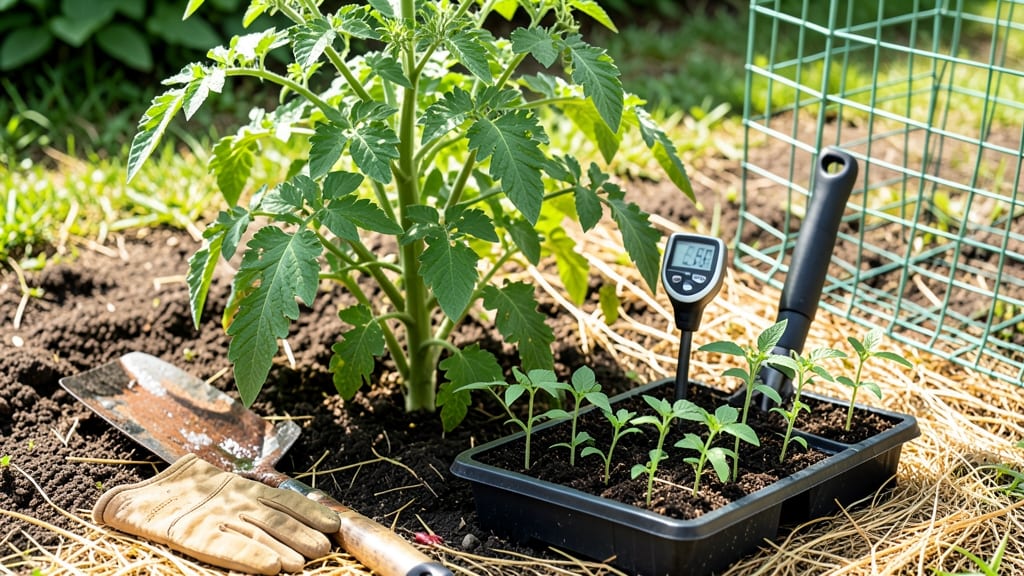
Planting your 🍅 tomatoes at the right time in Pennsylvania isn’t just about luck—it’s the difference between a bountiful harvest and wasted effort. The mid-April to early June window gives you the perfect balance of warmth and growing season, but timing varies by zone and microclimate.
If you’re starting seeds indoors, begin 6-8 weeks before your last frost date to give seedlings a head start. For direct outdoor planting, wait until soil temperatures hit 60°F and nighttime lows stay above 50°F—skipping these steps often leads to stunted growth or frost damage.
In zones 5-7, where Pennsylvania falls, early varieties like 'Stupice' or 'Mountain Merit' thrive with a shorter season, while later plantings risk missing peak harvest before fall frosts arrive. Let’s break down the exact deadlines and regional tweaks to maximize your garden’s potential.
Whether you’re a first-time gardener or a seasoned pro, these insights will help you avoid common mistakes and get the most out of your tomato plants. Ready to dig in?
Pennsylvania's tomato planting zones: when to start indoors vs. outdoors
Pennsylvania spans USDA hardiness zones 5-7, creating unique planting windows for tomatoes. Whether you're starting seeds indoors or transplanting seedlings, timing depends on your specific zone and microclimate. In cooler northern areas (Zone 5), you'll need to start earlier, while southern regions (Zone 7) have more flexibility.
Most Pennsylvania gardeners begin tomato seeds indoors 6-8 weeks before their average last frost date. For example, if your last frost is April 15, start seeds around February 15-March 1. This gives seedlings enough time to grow strong before transplanting outdoors after the frost danger has passed.
Direct sowing outdoors should only happen after soil temperatures reach at least 60°F and nighttime temps stay above 50°F consistently. In Pennsylvania, this typically means waiting until mid-May to early June, depending on your location. Planting too early risks frost damage or stunted growth.
Here's how your USDA zone affects timing:
| Zone | Indoor Start (Seeds) | Outdoor Transplant | Direct Sow Window |
|---|---|---|---|
| Zone 5 (Erie, State College) | Feb 15 - Mar 1 | May 15 - May 31 | Late May - Early June |
| Zone 6 (Pittsburgh, Harrisburg) | Feb 28 - Mar 15 | May 1 - May 15 | Early May - Mid-May |
| Zone 7 (Philadelphia, Reading) | Mar 15 - Apr 1 | Apr 15 - May 1 | Mid-April - Early May |
Even within zones, microclimates matter. Urban areas may warm up faster than rural spots, while valleys can stay cooler longer. Always check your local frost dates and monitor soil temperatures with a soil thermometer before planting.
I recommend planting 1-2 weeks later than average if your garden sits in a frost pocket.
For container growing, extend your season by 2-3 weeks since pots warm up faster. Place containers in south-facing spots and use black plastic mulch to raise soil temperatures. Just remember, containers dry out faster, so you'll need to water more frequently.
If you're unsure about your exact zone, use the USDA Plant Hardiness Zone Map and enter your ZIP code. Pennsylvania's diverse geography means your neighbor's perfect timing might not work for you! Always be prepared to cover seedlings with row covers or frost blankets if late frosts threaten.
Pro tip: Plant fast-maturing varieties like 'Early Girl' if you're in Zone 5, as they can reach harvest before cooler fall temperatures arrive. In Zone 7, you can experiment with longer-season varieties like 'Brandywine' for larger yields.
Remember, the first 2 weeks after transplanting are critical. Keep seedlings well-watered and in partial shade to reduce transplant shock. Gradually introduce them to full sun over 5-7 days to avoid sunburn on tender leaves.
🌱
Last frost dates by Pennsylvania region: your countdown to planting
Pennsylvania's last frost dates vary dramatically across regions, and knowing yours is critical for timing your tomato planting. In northern zones (5), like Erie, expect frost until May 15, while southern zones (7), like Philadelphia, typically see their last frost by April 15.
These dates create a 4-week window that determines whether you'll grow determinate or indeterminate varieties successfully.
For Pittsburgh (Zone 6), the average last frost falls around April 25, giving you a 6-week buffer to start seeds indoors. Meanwhile, Harrisburg (Zone 6b) often sees frost-free soil by April 10, allowing earlier outdoor planting.
Always use a 7-day buffer after your region's average last frost to account for late cold snaps.
Local weather patterns can shift these dates by 1-2 weeks, so I recommend checking the National Weather Service or your local Cooperative Extension office for updates. For example, 2023's late frost in State College delayed outdoor planting by 10 days—a lesson in flexibility!
🌡️ Last Frost & Planting Windows by Region
To extend your growing season in cooler zones, consider using row covers or cold frames to plant 2-3 weeks earlier. I've had success with 'Mountain Merit' tomatoes planted under row covers in Zone 5—they started producing 3 weeks earlier than uncovered plants!
If you're unsure about your local frost dates, use the Almanac's Frost Calculator or ask neighbors with established gardens—they're your best real-time resource. Remember, soil temperature matters just as much as air temperature; aim for 60°F+ before planting outdoors.
Pro tip: Mark your calendar 6-8 weeks before your last frost date to start seeds indoors. For Pennsylvania gardeners, that means March 1-15 for most regions. Don't wait until the last minute—seedlings need time to grow strong before transplanting!