
Plants
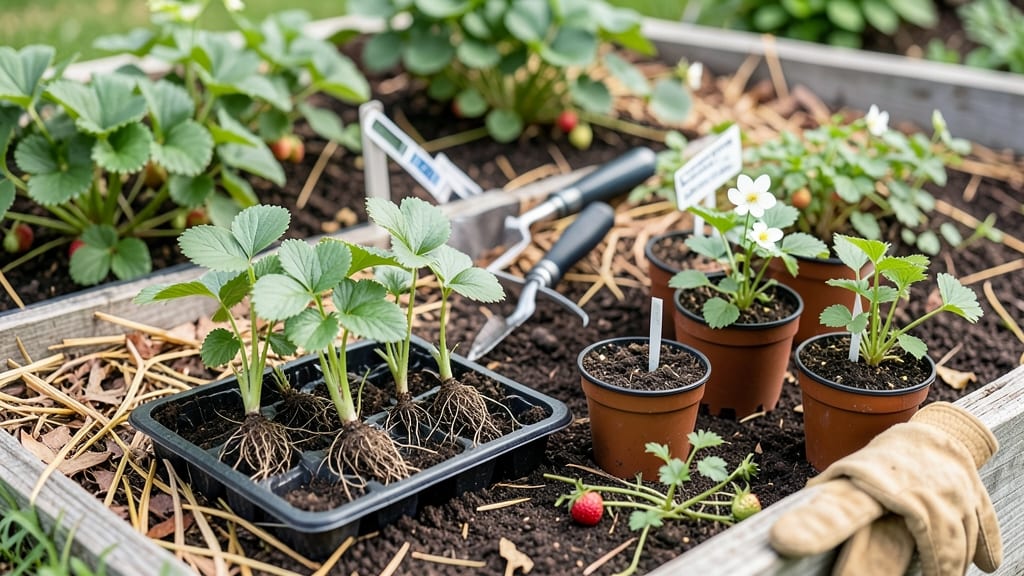
Planting strawberries in Michigan isn’t just about the calendar—it’s about matching your variety to the chill hours your region delivers. Get this wrong, and you’ll end up with bitter fruit or a harvest that never arrives.
The good news? With the right timing and a few pro tips, you can turn your garden into a 🍓 paradise that produces sweet, juicy berries from June through September.
Michigan’s climate—spanning USDA zones 5a-6b—means your planting window depends on whether you’re growing June-bearing, everbearing, or day-neutral varieties. Too early, and frost will nip your plants before they take root; too late, and summer’s heat will rush in before your berries ripen.
The secret lies in aligning your planting with Michigan’s frost dates and chill-hour requirements, which can vary dramatically from the Upper Peninsula to the Lower Peninsula.
In this guide, I’ll walk you through the best months to plant—whether you’re starting with bare-root plants, potted varieties, or seeds—and how to prep your soil for maximum success. You’ll also discover which strawberry types thrive in Michigan’s climate, plus strategies to extend your harvest well beyond a single season.
Ready to turn your garden into a berry bonanza?
Let’s dive into the specifics so you can start planting with confidence—and enjoy that first taste of homegrown strawberry perfection sooner than you think.
Michigan strawberry planting dates by chill-hour needs
Michigan’s USDA zones 5a-6b mean your strawberry planting window depends on both chill-hour requirements and last frost dates. June-bearing varieties need 200-1,000 chill hours, while everbearing types thrive with 300-600 hours.
In southern Michigan, aim for early April planting, but in the Upper Peninsula, wait until late May to avoid frost damage.
Fall planting is another option—July-August works well for everbearing varieties like ‘Seascape,’ which produce fruit in their first year. The key? Plant 6-8 weeks before your first frost, giving roots time to establish before winter.
For southern Michigan, this means early July; for northern regions, late July.
Bare-root plants are best for spring, while potted strawberries give you flexibility for fall planting. If you’re using seeds, start them indoors 8-10 weeks before your last frost date—typically mid-February for southern Michigan and March for northern areas.
Chill-hour mismatches lead to poor fruit set or no harvest at all. For example, ‘Honeoye’ (June-bearing) needs 800+ chill hours, while ‘Albion’ (everbearing) thrives with just 400 hours. Always check the variety’s requirements before planting.
Here’s how Michigan’s regional frost dates impact timing:
| Region | Last Frost Date | Ideal Spring Planting | Fall Planting Window |
|---|---|---|---|
| Southern MI (Detroit, Ann Arbor) | Mid-April | Early April | Early July |
| Central MI (Lansing, Grand Rapids) | Late April | Late April | Mid-July |
| Northern MI (Traverse City, UP) | Early May | Late May | Late July |
For June-bearing varieties, plant in spring for a one-time summer harvest. Everbearing types like ‘Oso Grande’ produce two harvests per year—spring and fall—if planted in both spring and fall.
Day-neutral varieties (e.g., ‘Seascape’) fruit continuously from early summer to frost when planted in late spring or early summer.
Always harden off potted plants before transplanting—acclimate them to outdoor temps for 7-10 days before planting. This reduces shock and improves survival rates, especially in Michigan’s unpredictable spring weather. Use row covers if late frosts threaten after planting.
Soil temperature matters too—wait until the ground reaches 45°F (7°C) for spring planting. In Michigan, this typically aligns with late April in the south and early May in the north. Use a soil thermometer to confirm—cold soil slows root growth and delays fruiting.
Pro tip: Stagger your planting by 2-3 weeks for a longer harvest window. For example, plant half your June-bearing strawberries in early April and the rest in mid-April. This spreads out ripening and reduces the risk of bird damage or rot from overripe fruit.
Finally, mulch heavily after planting to protect roots from temperature swings and weed competition. Straw or shredded leaves work best—apply 3-4 inches once plants are established. This keeps soil temps stable and conserves moisture during Michigan’s hot, dry summers.
Best strawberry varieties for Michigan gardens by season
Michigan’s diverse climate—from the Upper Peninsula’s cooler zones to the Lower Peninsula’s warmer pockets—means not all strawberry varieties thrive equally. June-bearing types like ‘Honeoye’ deliver a one-time summer harvest but need 800+ chill hours to set fruit.
Meanwhile, everbearing varieties like ‘Jewel’ produce two smaller harvests (spring and fall) with 500–700 chill hours, perfect for shorter seasons.
For continuous harvests, day-neutral varieties such as ‘Seascape’ (300–500 chill hours) are ideal—they fruit all season long but may need extra winter protection in colder zones. Chill-hour mismatches lead to poor fruiting, so always check labels and match varieties to your USDA zone (5a–6b).
🍓
For Southern Michigan (zones 6a–6b), June-bearing varieties like ‘Allstar’ (900+ chill hours) excel, while Northern Michigan (zones 4b–5a) benefits from everbearing types like ‘Ozark Beauty’ (500–700 chill hours). Pro tip: Plant bare-root crowns in early spring (March–April) or late summer (July–August) to avoid frost damage and ensure strong root establishment before winter.
If you’re unsure about chill hours, ‘Chandler’ (day-neutral) is a safe bet—it tolerates 300–1,000 chill hours and produces fruit all season with minimal care. Just ensure it gets full sun and well-draining soil to prevent rot.
🌱