
Plants
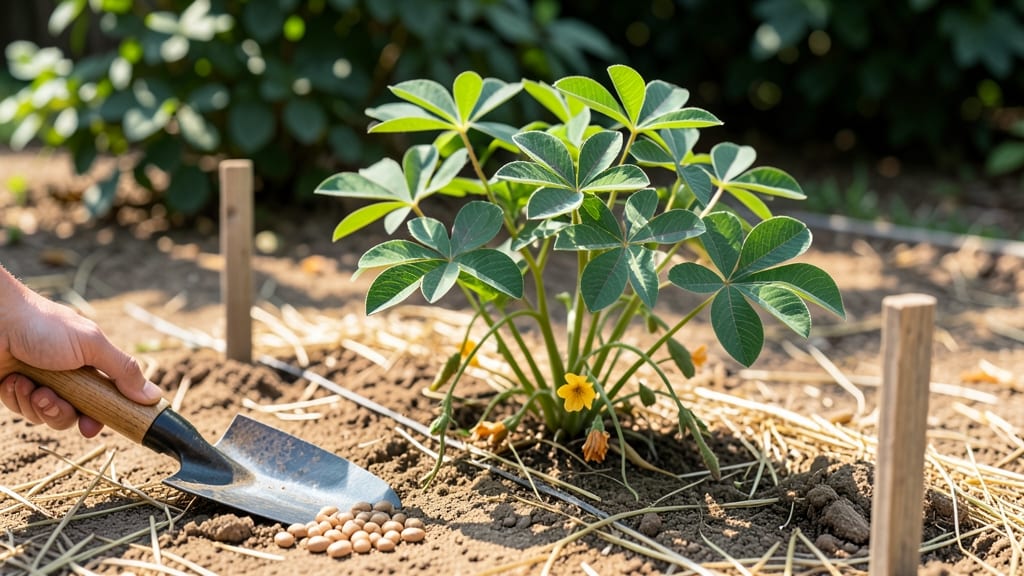
Planting peanuts in North Carolina at the wrong time can turn your garden into a gamble—especially when soil warmth is the real game-changer, not just the calendar. Unlike many crops, peanuts need consistent 65°F soil temperatures to sprout reliably, and waiting too long risks stunted growth or poor yields.
That’s why even experienced growers in zones 7a-8b time their 🥜 plantings between mid-April and early June, balancing frost risks with summer heat.
Here’s the catch: North Carolina’s climate varies wildly from the Coastal Plain’s humid warmth to the Piedmont’s cooler nights. Planting too early in the mountains might mean peanuts rot in cold soil, while late starts in the eastern plains could leave them vulnerable to drought.
The key is monitoring soil—not just air—temperature, and knowing when to adjust for your specific microclimate.
Whether you’re growing Virginia-type peanuts for their buttery flavor or runner types for higher yields, the ideal window depends on more than just dates.
I’ll break down how to read your soil’s signals, choose the right variety for your region, and avoid the three mistakes that sink even well-intentioned NC peanut gardens. Let’s get those 🥜 off to the perfect start.
Ready to skip the guesswork? You’ll leave this guide knowing exactly when to plant, how deep to bury those seeds, and what post-planting care keeps your crop thriving until harvest—no more wasted seeds or disappointed expectations. Let’s make your NC peanut patch a success.
Peanut planting dates in NC based on soil temperature (not calendar months)
Peanuts are finicky about timing—plant too early and cold soil stunts growth, too late and your harvest window shrinks. In North Carolina, the ideal planting window isn’t about calendar months but soil temperature.
Aim for when the soil reaches 65°F (18°C) at 4 inches deep, a threshold critical for germination and root development.
Most NC gardeners plant between mid-April and early June, but this shifts based on your USDA zone (7a–8b) and microclimate. Coastal regions like Wilmington can start earlier, while the Piedmont’s higher elevations may need to wait until late May.
Always check last frost dates—peanuts hate even light frosts, so plant 2 weeks after your area’s average last frost.
Here’s the golden rule: Use a soil thermometer to confirm readiness. If your soil is below 65°F, delay planting—peanuts won’t germinate well in cooler conditions. Patience here pays off with stronger plants and higher yields.
🌱
| Region | Soil Temp Trigger | Ideal Planting Window | Key Risk |
|---|---|---|---|
| Coastal Plain (Zone 8a) | 65°F+ at 4" | Mid-April to late May | Late frosts in March |
| Piedmont (Zone 7b) | 65°F+ at 4" | Late April to early June | Slow soil warming |
| Mountains (Zone 7a) | 65°F+ at 4" | Early May to mid-June | Short growing season |
| All Regions | Avoid planting if forecast calls for <32°F | N/A | Frost damage |
North Carolina’s microclimates can create 2–3 week differences in planting windows. For example, the Coastal Plain often hits 65°F soil temps by early April, while the Mountains may not reach this until early June. Use local weather data (like from the NC State Climate Office) to fine-tune your schedule.
Heatwaves can also throw off timing. If a 90°F+ spell hits right after planting, young peanuts may bolt (flower prematurely), reducing pod development. Space out plantings over 2–3 weeks to stagger maturity and mitigate this risk.
For home gardeners, I recommend planting in two batches: the first when soil hits 65°F, and a second 10–14 days later. This ensures a steady harvest and reduces the chance of losing your entire crop to a single heatwave or pest outbreak.
🌡️
Pro tip: Warm your soil faster in cooler zones by using black plastic mulch a week before planting. This raises soil temps by 5–10°F, helping you meet the 65°F threshold earlier. Just remove the mulch once peanuts emerge to avoid overheating.
Finally, track your progress. Note the exact date you planted and the soil temp—this data helps you refine timing for future years. In NC, where climate shifts are becoming more erratic, adaptability is key to consistent peanut success.
☀️
Peanut planting dates in NC based on soil temperature (not calendar months)
North Carolina’s peanut-growing season hinges on soil temperature, not just calendar dates. Unlike cool-season crops, peanuts demand warm soil—ideally 65°F or higher for 4+ inches deep—to germinate properly.
Planting too early in chilly soil leads to poor germination or stunted growth, while waiting too long risks heat stress before harvest.
In most of NC (USDA Zones 7a–8b), this window typically falls between mid-April and early June, but regional microclimates shift these dates.
Coastal areas like Wilmington can start as early as late March, while the Piedmont’s higher elevations may need to wait until late April or May. Always check your last frost date (usually March 15 in the east, April 1 in the mountains) and add 2–3 weeks for safety.
🌱 NC Peanut Planting Timeline by Region
| Region | Optimal Planting Window | Soil Temp Trigger |
| Coastal Plain (e.g., Raleigh, Wilmington) | Late March–mid-April | 65°F+ (4" deep) |
| Piedmont (e.g., Greensboro, Charlotte) | Mid-April–early May | 68°F+ (4" deep) |
| Mountains (e.g., Asheville, Boone) | Late April–mid-May | 70°F+ (4" deep) |
💡 Pro Tip: Use a soil thermometer to confirm warmth before planting. Morning readings are most accurate.
Heatwaves can also disrupt planting. If temperatures soar above 90°F before peanuts establish roots (typically 3–4 weeks after sowing), yields suffer. In western NC, where summers arrive earlier, prioritize early May plantings to avoid this risk.
For container growing, extend the season by using black plastic mulch to warm soil faster.
Peanuts need 120–150 days to mature, so late plantings (after June 1) may not reach harvest before NC’s first frost (mid-November). If you’re experimenting with short-season varieties like ‘Early Spanish,’ push the limit to early June, but expect smaller yields.
Always track your first frost date and count backward to plan.
Finally, avoid planting during prolonged rainy periods. Excess moisture leads to fungal diseases like southern blight. If rain delays your schedule, opt for drip irrigation to maintain soil moisture without oversaturating it. Consistency is key—peanuts hate soggy feet!
Timing isn’t just about dates; it’s about soil readiness. Test your garden’s warmth with a thermometer, adjust for your region, and watch your peanuts thrive from seed to harvest. 🥜