
Plants
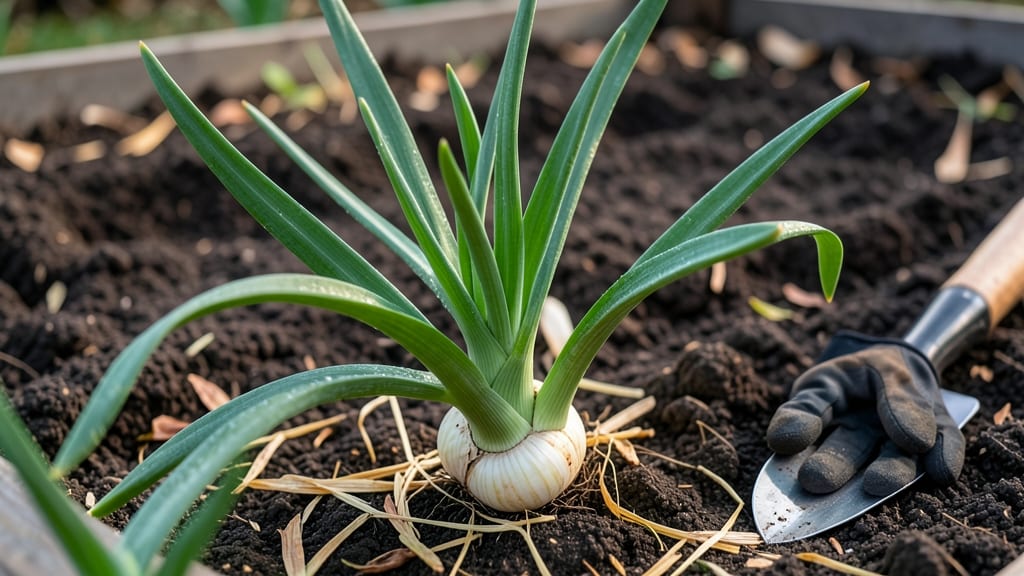
Planting garlic in Pennsylvania at the wrong time can mean the difference between plump, flavorful bulbs and disappointing harvests—so timing is everything for gardeners in zones 5b-7a. Whether you're a seasoned gardener or just starting, getting it right ensures a thriving crop of 🧄 that tastes like summer even in winter.
Fall planting is the gold standard in Pennsylvania, with the ideal window stretching from October to November—before the ground freezes. This gives cloves time to establish roots while staying dormant during winter's chill.
But don't worry if you missed that boat: spring planting (March-April) can still work, though it requires extra care to avoid bolting in warmer zones.
Why does timing matter so much? Garlic needs 240-300 days to mature, and planting too late risks small bulbs or no harvest at all. Pennsylvania's climate—with its mid-April last frost and mid-October first frost—creates a narrow but perfect window for success.
Let me show you exactly how to nail it, from soil prep to variety selection.
You'll also discover how to avoid common mistakes like planting too shallow or ignoring soil drainage—critical factors in Pennsylvania's variable climate. By the end, you'll have a clear, zone-specific plan to grow the best-tasting garlic your neighbors will envy. Ready to get started?
Best months to plant garlic in Pennsylvania by hardiness Zone
Pennsylvania’s USDA hardiness zones 5b-7a create a unique window for growing garlic, where timing directly impacts bulb size and flavor.
Unlike many crops, garlic thrives when planted in fall or early spring, but the ideal months shift slightly depending on whether you're in Pittsburgh (Zone 6a) or Philadelphia (Zone 7a).
The key is planting 4-6 weeks before the ground freezes—typically October to November—to establish roots before winter dormancy.
For spring planting, aim for March to early April, but avoid waiting until after the last frost date (mid-April). Spring-planted garlic often yields smaller bulbs because it misses the cold vernalization period that hard-neck varieties need for maximum flavor.
In warmer Zone 7a areas, like southeastern PA, you can push fall planting into early December, while colder Zone 5b regions (northwest PA) should finish by late October.
Here’s the golden rule: Soil temperatures should be below 40°F (4°C) at planting time. If you plant too early, cloves may sprout before winter; too late, and they won’t root deeply enough. Use a soil thermometer to check—this simple tool prevents costly mistakes.
For example, in State College (Zone 6b), I’ve found that planting early October gives bulbs enough time to root before the first hard freeze, while late November plantings often struggle with shallow roots.
| Zone & Location | Fall Planting Window | Spring Planting Window | Soil Temp Threshold | Best Variety |
|---|---|---|---|---|
| Zone 5b (Erie, Meadville) | Late September–October 15 | March 1–April 1 | Below 40°F (4°C) | ‘German White’, ‘Music’ |
| Zone 6a (Pittsburgh, State College) | October 1–November 1 | March 15–April 10 | Below 40°F (4°C) | ‘Chesnok Red’, ‘Silverskin’ |
| Zone 7a (Philadelphia, Reading) | October 15–December 1 | March 20–April 15 | Below 45°F (7°C) | ‘Artichoke’, ‘Creole’ |
*Hard-neck varieties perform best in PA’s climate for cold-hardiness and bulb size.
Garlic varieties also play a role in your planting timeline. Hard-neck varieties, like ‘Music’ or ‘German White’, are the top choice for Pennsylvania because they require cold vernalization to form bulbs and produce scape shoots (the curly green stems you can eat).
These thrive when planted in fall and harvested the following July-August. Soft-neck varieties, like ‘Silverskin’, are better for spring planting if you’re in Zone 7a and want to store bulbs longer, but they’ll be smaller than hard-neck harvests.
Microclimates within Pennsylvania add another layer of complexity. For instance, mountainous regions (e.g., Pocono Mountains) may experience earlier frosts, so adjust your fall planting to late September. Conversely, urban heat islands (e.g., Philadelphia) can delay first frosts, allowing December planting in some years.
To account for this, I recommend monitoring your local Cooperative Extension Service frost dates or using a home weather station to track soil temps.
One common misconception is that you can plant garlic anytime in spring. While it’s possible, spring-planted garlic often produces smaller, less flavorful bulbs because it misses the cold stratification period. For example, in my Zone 6a garden, spring-planted garlic bulbs averaged 50% smaller than fall-planted counterparts.
If you’re set on spring planting, choose soft-neck varieties and plant as early as possible—March is ideal.
Pro tip: Mark your calendar for October 15th, the average first frost date for much of central PA. This is your absolute deadline for fall planting in Zone 6a.
For Zone 7a, you can stretch it to November 1st, but avoid planting after December 1st—cloves won’t root properly, and you’ll risk rot from winter thaws.
I’ve seen gardeners in Lancaster County push it to early December in mild winters, but it’s a gamble unless you have row covers ready.
How to prepare garlic cloves for fall planting in Pennsylvania’s climate
Preparing garlic cloves for fall planting in Pennsylvania is just as important as timing—especially since our wet springs and heavy clay soils can turn cloves to mush if not handled properly.
Start by selecting firm, disease-free bulbs from a trusted supplier, as local varieties like Music or German White thrive in PA’s climate. Avoid soft or sprouting cloves, which may rot before harvest.
Next, break the bulb into individual cloves while leaving the papery skin intact. This skin acts as a natural barrier against soil-borne diseases common in Pennsylvania’s damp conditions. Larger cloves will yield bigger bulbs, but even small ones can produce harvestable garlic if planted correctly.
Save the best cloves for planting and use the rest in cooking—nothing goes to waste!
Before planting, soak the cloves in a 1% hydrogen peroxide solution (1 part peroxide to 9 parts water) for 15 minutes. This step kills potential pathogens and prevents mold and rot, which are major issues in PA’s humid springs.
After soaking, let them dry completely in a shady, well-ventilated area for 1-2 hours to harden the skin further.
Step-by-Step Garlic Clove Prep for Pennsylvania
- Select bulbs: Choose hard-neck varieties like Music or German Red for PA’s climate.
- Break cloves: Separate cloves, keeping papery skin intact.
- Soak: 15-minute hydrogen peroxide soak to prevent rot.
- Dry: Air-dry in shade for 1-2 hours before planting.
- Test soil: Aim for pH 6.0-7.0—amend with lime if needed.
- Plant: 4 inches deep, 6 inches apart in well-draining soil.
Don’t skip soil preparation! Pennsylvania’s clay-heavy soils can suffocate garlic roots, so mix in 2-3 inches of compost or well-rotted manure before planting. Test your soil’s pH level—garlic prefers a slightly acidic to neutral range of 6.0-7.0.
If your soil is too alkaline (common in many PA regions), add pelletized lime 2-3 months before planting to adjust the pH gradually.
For extra protection against Pennsylvania’s deer and rodent pressure, consider planting garlic in raised beds or surrounding the bed with chicken wire. These pests love tender garlic shoots, and a physical barrier can save your crop from becoming a snack.
Once your cloves are prepped and the soil is ready, it’s time to plant them 4-6 weeks before the first frost—typically by mid-October in most of PA.
After planting, mulch with straw or leaves to insulate the soil and protect cloves from freeze-thaw cycles, which can heave them out of the ground. This mulch layer also suppresses weeds and retains moisture, giving your garlic a strong start for next summer’s harvest.
With these steps, you’ll set your garlic up for success in Pennsylvania’s unpredictable climate!