
Plants
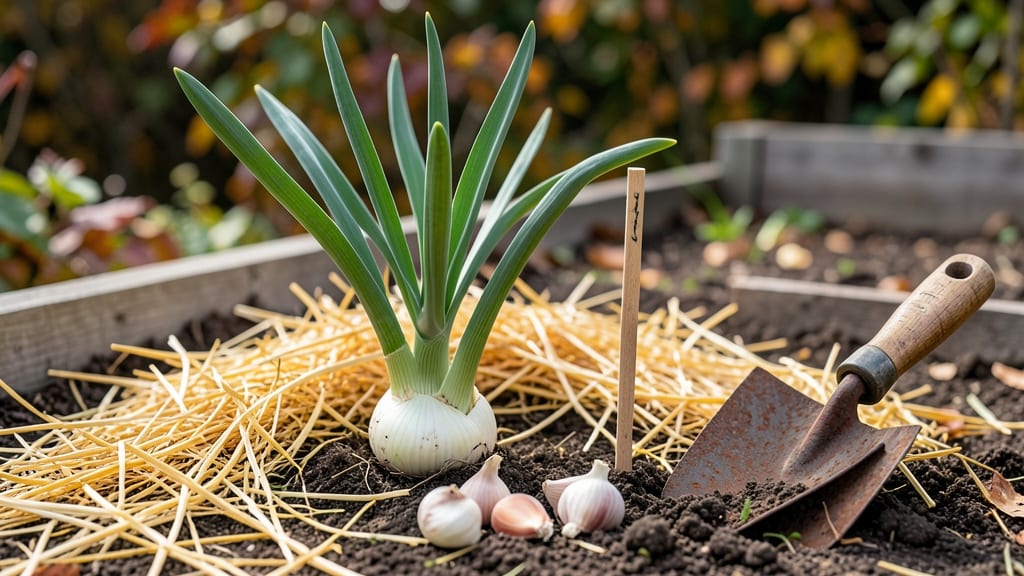
If you're wondering "when do you plant garlic in Oregon", timing is everything for that perfect harvest of plump, flavorful bulbs. Oregon’s mild winters and varied microclimates mean hardneck varieties thrive in cooler zones like 7b, while softneck types do better in warmer 9a areas.
Most gardeners in Oregon plant 🧄 garlic in fall, between October and November, giving cloves time to root before winter dormancy. But don’t worry—late winter planting in February still works if you missed the fall window.
The key is planting 4-6 weeks before the first hard frost, which typically hits around November 1st in most regions.
Why does timing matter so much? Because garlic grows best when it experiences cold winter temperatures to form strong bulbs. In Oregon’s 7b-9a zones, this means avoiding early planting (too much rain) or late planting (insufficient cold).
Ready to grow your best crop yet? I’ll walk you through the exact steps—from soil prep to frost-proofing—to ensure your garlic thrives, whether you’re in the Willamette Valley or Eastern Oregon’s high desert.
Oregon’s ideal garlic planting months: hardneck vs softneck breakdown
Oregon’s mild yet unpredictable winters demand precise timing for garlic planting. The 4-6 week window before your region’s first hard frost is critical—typically mid-October to November for most of Oregon. This timing ensures bulbs establish roots before dormancy but avoid winter wetness that can rot cloves.
Hardneck varieties like ‘German White’ thrive in Oregon’s cooler climates (USDA Zones 7b-8), while softneck types such as ‘Silverskin’ prefer milder zones (8a-9a). The Willamette Valley’s wet winters favor hardnecks, whereas Eastern Oregon’s drier air suits softnecks better.
For late starters, February planting is possible but yields may be smaller. Always check your local frost dates—Oregon’s microclimates can shift planting windows by weeks. The Oregon State University Extension provides zone-specific frost forecasts.
Here’s how to align your planting with Oregon’s climate:
| Variety | Best Planting Window | Oregon Zone Fit | Key Consideration |
|---|---|---|---|
| Hardneck | October 1–November 15 | Zones 7b–8 (Willamette Valley, Coast) | Cold-hardy; needs vernalization |
| Softneck | September 15–November 1 | Zones 8a–9a (Southern OR, Medford) | Milder winter tolerance; slower bulb formation |
| Both | February (late winter) | All zones (smaller yields) | Risk of bolting; shorter growing season |
Pro tip: Use a soil thermometer to confirm 40–50°F soil temps before planting. This ensures cloves won’t rot in Oregon’s cool, damp fall soils. Aim for 4–6 inches deep and 4–6 inches apart for optimal spacing.
In Zone 7b (e.g., Portland), plant by October 20 to avoid frost damage. In Zone 9a (e.g., Medford), extend planting to November 15—softnecks handle later starts better. Always mulch heavily (6+ inches) with straw to insulate bulbs during Oregon’s rainy winters.
For container growing, use deep pots (12+ inches) and plant in October. Containers warm faster in spring, accelerating growth but requiring consistent moisture. Elevate pots to prevent waterlogging—a common issue in Oregon’s wet winters.
Remember: Garlic needs cold exposure to form bulbs. Oregon’s mild winters may require artificial chilling (40°F for 6–8 weeks) if planted late. Store cloves in the fridge until planting to mimic dormancy.
Next, we’ll cover frost-proofing strategies and a step-by-step Oregon planting timeline to maximize your harvest. Don’t miss it!
How to adjust planting for Oregon’s frost risks: a step-by-step timeline
Oregon’s variable frost dates and microclimates mean your garlic’s success hinges on precise timing. For Zone 7b (e.g., Portland), aim to plant 4–6 weeks before the first hard frost—typically mid-October to early November.
In Zone 9a (e.g., Medford), you’ve got a slightly longer window, but don’t delay past late November.
Use a soil thermometer to confirm the ground has cooled to 50–60°F. Cold soil triggers root growth without causing frost damage. If your soil stays warm (common in urban areas), opt for late winter planting (February)—just be ready to protect seedlings if frost arrives early.
Pro Tip: Oregon’s Willamette Valley often sees frost earlier than coastal areas. Check your local USDA frost calendar or use the Oregon State University Extension tool for hyper-localized advice. A 5°F difference in soil temp can mean the difference between thriving bulbs and frost-killed cloves.