
Companion Plants
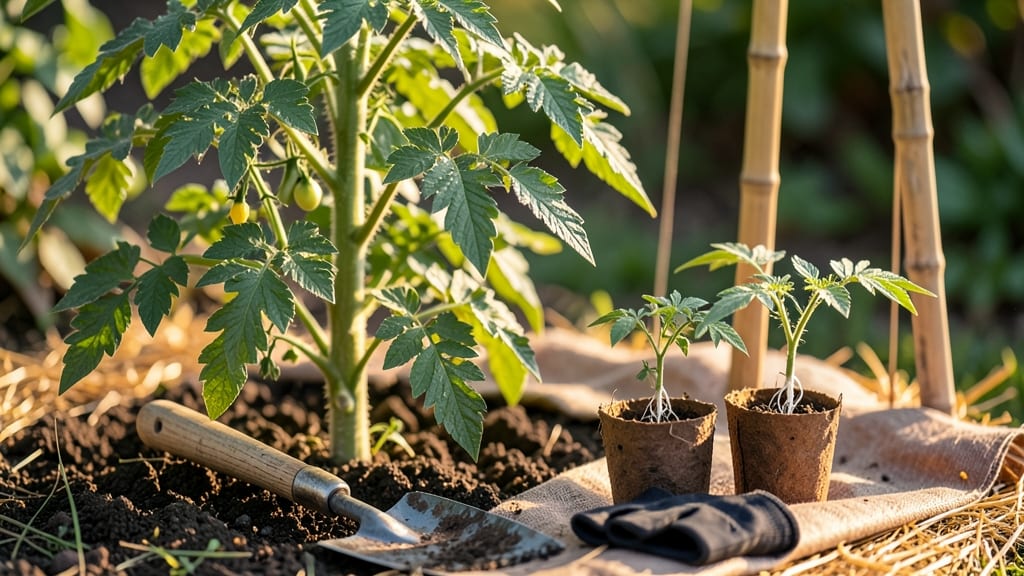
If you’ve ever stared at your calendar wondering when to plant tomatoes in NC and panicked about frost ruining your 🍅 dreams, you’re not alone.
North Carolina’s diverse heat zones—from the cool mountain air of Asheville to the balmy coastal breezes of Wilmington—mean the "perfect" planting window varies wildly across the state.
The right timing isn’t just about avoiding frost; it’s about matching your tomatoes to your local microclimate. Plant too early in the Piedmont’s Zone 7a, and a late frost could wipe out your seedlings.
Wait too long in the Outer Banks’ Zone 8b, and summer’s heat might turn your harvest into a sizzling disaster. Let’s break down the exact deadlines for each region so you can start seeds or transplant with confidence.
You’ll also discover how to stretch your growing season—whether you’re using row covers to trick Mother Nature or choosing heat-tolerant varieties that thrive in NC’s short summers. From soil temperature tricks to container gardening hacks, these strategies ensure your tomatoes go from seed to vine without a hitch.
Ready to turn your backyard into a tomato powerhouse? Let’s dive into the heat zone-specific planting schedule that’ll have you harvesting juicy, vine-ripened 🍅 all summer long.
NC heat Zone planting deadlines: frost-free dates by region
North Carolina’s USDA heat zones (5a–8a) create wildly different planting windows—from Asheville’s chilly Zone 5a to Wilmington’s balmy Zone 8a. Your last frost date isn’t just a number; it’s the difference between juicy summer tomatoes and frost-nipped failures.
Let’s break down the exact deadlines for each zone, including when to start seeds indoors and when to transplant seedlings for foolproof results.
First, check your local frost date using the NC State Climate Office or Almanac’s NC Frost Calculator.
Most of NC experiences its last frost between late March and early April, but mountain regions (Zone 5a/6a) can linger until May 1st, while coastal areas (Zone 8a) may be frost-free by March 1st.
Plan accordingly—tomatoes hate cold soil and won’t thrive until nighttime temps stay above 50°F.
Here’s your zone-by-zone planting timeline, including safe transplant windows and direct-sowing dates for fastest harvests. Use this as your gardening GPS to avoid common mistakes like overcrowded seedlings or late-season bolting.
| USDA Zone | Avg. Last Frost | Safe Transplant Window | Direct Sow After | Indoor Start Date |
|---|---|---|---|---|
| 5a (Asheville, Boone) | May 1 | May 15–June 1 | June 10 | March 1–March 15 |
| 6a (Hickory, Greensboro) | April 15 | April 30–May 15 | May 1 | February 15–March 1 |
| 7a (Raleigh, Winston-Salem) | March 31 | April 15–April 30 | April 10 | January 30–February 15 |
| 7b (Fayetteville, Durham) | March 25 | April 1–April 15 | March 25 | January 15–February 1 |
| 8a (Wilmington, Charlotte) | March 1 | March 15–April 1 | March 1 | January 1–January 15 |
| 8b (Outer Banks, Coastal NC) | February 15 | February 28–March 15 | February 1 | December 15–January 1 |
Pro tip: Mountain gardeners (Zones 5a–6a) should start seeds indoors by March 1 to avoid transplant shock. Coastal gardeners (Zone 8a/b) can direct-sow as early as February 1—just cover seedlings with frost cloth if nights dip below 40°F. Soil temperature is your true deadline: Use a soil thermometer to confirm it’s at least 60°F before planting.
Don’t forget microclimates—your backyard might be 5°F warmer than the official zone average. South-facing slopes warm up faster, while low-lying areas hold cold longer. Test your spot by placing a thermometer in the soil for 3–5 days before planting.
If temps fluctuate, err on the side of waiting—tomatoes won’t recover from frost damage.
For container gardeners, adjust your timeline 1–2 weeks later than in-ground planting. Pots cool faster at night, so delay transplanting until May 1 in most of NC (except Zone 8a). Use black plastic pots to absorb heat and **ins
Tomato varieties that thrive in NC’s short vs. long seasons
North Carolina’s USDA heat zones 5a–8a create wildly different tomato-growing challenges—Zone 5a’s short season demands early-maturing varieties, while Zone 8a’s long summers reward heat-tolerant picks. The wrong choice means wasted effort or stunted harvests. Let’s match your region to the perfect tomato for maximum yield before fall’s chill.
For cool mountain zones (5a–6a), prioritize determinate tomatoes like ‘Early Girl’ or ‘Stupice’. These bush varieties mature in 60–70 days, beating frost before September’s first chill.
Their compact growth (3–4 ft) also resists wind damage common in Asheville or Boone. Pair them with cold-hardy companions like bush beans to extend the season.
| Variety | Type | Days to Harvest | Best Zones | Pro Tip |
|---|---|---|---|---|
| ‘Early Girl’ | Indeterminate | 58–65 days | 5a–8a | Stake early to prevent wind damage |
| ‘Stupice’ | Determinate | 60–70 days | 5a–7a | Cold-tolerant; great for late starts |
| ‘Solar Fire’ | Indeterminate | 65–70 days | 7a–8a | Heat-resistant; ripens in 90°F+ |
| ‘Mountain Merit’ | Determinate | 70–75 days | 5a–8a | Disease-resistant; ideal for humid Piedmont |
In warmer coastal zones (7b–8a), swap determinate varieties for heat-tolerant indeterminates like ‘Solar Fire’ or ‘Celebrity’. These vining types produce through October if you prune aggressively and use drip irrigation to combat Wilmington’s late-summer humidity.
Avoid ‘Beefsteak’ types—they need consistent 80°F+ temps and often rot in NC’s muggy August.
Pro tip: Zone 6a–7a gardeners (like Raleigh or Greensboro) can split their bets—plant early determinates (e.g., ‘Patio’) in April for June harvests, then indeterminates (e.g., ‘Better Boy’) in May for a fall extension.
Just mulch heavily with straw to insulate roots when temps dip below 55°F after Labor Day.
Container gardeners in Zone 8a (e.g., Jacksonville) can push harvests to November by using 5-gallon fabric pots with heat-reflective paint on the sides. Pair ‘Heatmaster’ tomatoes with basil to repel pests and boost flavor—just move pots to partial shade if afternoon temps exceed 95°F.
Remember: Soil temperature matters more than air temperature. Use a soil thermometer—tomatoes won’t germinate below 60°F, and roots stall below 55°F.
In Zone 5a, wait until May 1 even if frost risk drops; in Zone 8a, you can direct-sow through June** for a late harvest.