
Companion Plants
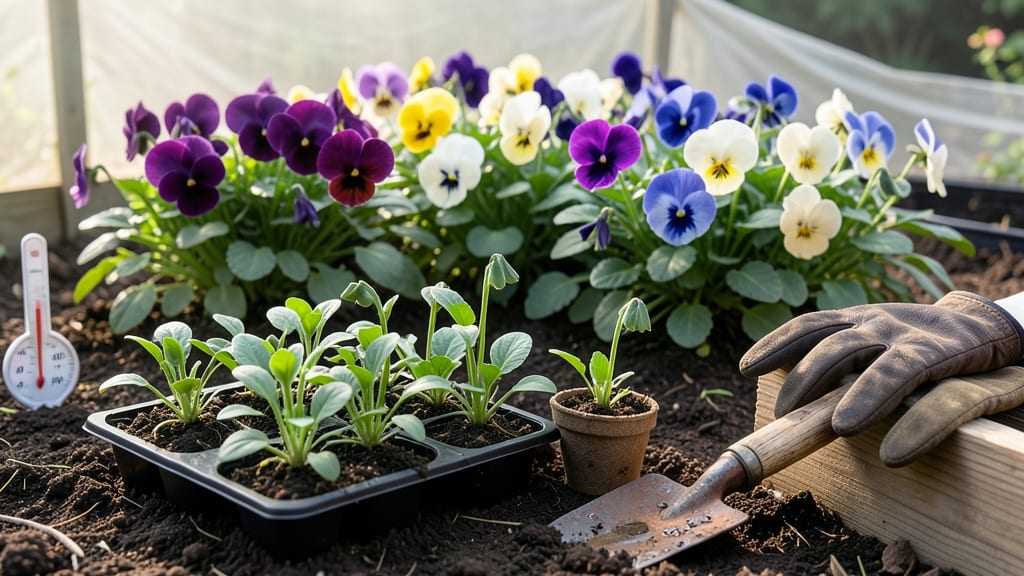
Timing your pansy planting in the Northeast can make the difference between a vibrant spring display and a sad, frost-damaged mess. These cheerful 🌸 blooms thrive in USDA Zones 5-7, but getting them in the ground too early or late means missed color and wasted effort.
Most gardeners in the Northeast rush to plant as soon as the snow melts, but that’s often too soon. The exact sweet spot for spring planting is 4-6 weeks after your last frost date—typically late March to early April.
For fall blooms, aim for August to early September to beat the first hard frost.
Why does timing matter so much? Pansies are cold-hardy but not frost-proof, and planting them at the wrong time can stunt growth or invite disease.
I’ll walk you through the precise deadlines for your specific zone, plus pro tips to extend their blooming season—so you get months of color instead of just a few weeks.
Whether you’re a first-time gardener or a seasoned pro, these strategies will help you avoid common mistakes and keep your pansies looking their best from spring through fall. Let’s get those vibrant blooms planted the right way!
Exact pansy planting deadlines for Northeast zones 5b-6a (with frost risk factors)
Timing is everything when planting pansies in the Northeast, where USDA Zones 5b-6a experience unpredictable frost patterns. The key is planting 4-6 weeks before the first frost for fall blooms or after the last frost for spring color.
In my experience, this means late August to early September for fall planting and mid-April to early May for spring—just as soil temperatures rise above 40°F.
Pansies are surprisingly cold-hardy, tolerating light frosts, but they won’t thrive if planted too early when soil is still cold. For Zone 5b (e.g., Buffalo, NY), aim for September 1st as your cutoff, while Zone 6a (e.g., Philadelphia, PA) can stretch planting to September 15th.
Coastal areas like Boston may have slightly later deadlines due to moderating ocean breezes.
Here’s the visual guide to planting deadlines, frost risks, and backup dates for late starts in the Northeast:
| Season | Planting Window | Frost Risk | Backup Date |
|---|---|---|---|
| Fall | Late August - Early September | Moderate (light frosts tolerated) | September 15th (Zone 5b) / September 22nd (Zone 6a) |
| Spring | Mid-April - Early May | Low (soil must be 40°F+) | May 10th (late starts) |
| Late Fall (Bonus) | October (if mild) | High (risk of freeze) | October 1st (Zone 6a only) |
For Zone 5b gardeners, I recommend checking your local Almanac frost dates—some inland areas (like Syracuse) may need to plant by August 25th to avoid early frosts. In Zone 6a, you have a little more flexibility, but don’t wait past September 10th for fall color.
Pro tip: Use row covers or mulch to protect pansies if planting near your late-September deadline. I’ve had great success with Cool Wave pansies, which handle 20°F temps—perfect for Northeast winters. Just avoid planting in heavy clay soil, as pansies hate soggy roots.
If you miss the fall window, don’t panic! Pansies can also be planted in early spring (March-April), but they’ll bloom later. For continuous color, I plant half in fall and half in spring—this ensures blooms from September through May in my Zone 6a garden.
One common mistake is planting pansies too close to winter. If you’re in Zone 5b and plant after September 15th, they may not establish roots before the ground freezes. Always check your local frost dates—the National Weather Service has great regional tools for this.
For container gardening, you can push the envelope slightly. Pots warm up faster in the sun, so I’ve successfully planted pansies in late September in containers and moved them to sheltered spots over winter. Just use well-draining mix and avoid letting them sit in cold, wet soil.
Remember: Pansies thrive in partial shade, especially in hot afternoons. In the Northeast, this means morning sun and afternoon shade—ideal for under deciduous trees or on north-facing borders. Pair them with violas or snapdragons for a long-blooming combo.
Exact pansy planting deadlines for Northeast zones 5b-6a (with frost risk factors)
Timing is everything when planting pansies in the Northeast—get it wrong, and your blooms may never appear. In USDA Zones 5b-6a, the ideal windows are early spring (March-April) or late summer (August-September), but exact dates depend on your microclimate.
Coastal areas like New York City can plant 2-3 weeks later than inland spots like Pittsburgh due to milder winters.
For spring planting, wait until 2-3 weeks after your last frost date—typically mid-to-late April in most of the Northeast. If you plant too early, cold snaps can stunt growth or kill young plants.
For fall planting, aim for 4-6 weeks before your first frost (usually mid-September), giving pansies time to establish roots before winter sets in.
🌱 Pansy Planting Timeline for Northeast Zones 5b-6a
| Stage | Action | Notes |
|---|---|---|
| Spring Planting | Mid-to-late April | After last frost; soil temp ≥45°F |
| Fall Planting | Mid-September | 4-6 weeks before first frost |
| Backup Window | Early May or Late August | For missed deadlines; use cold-hardy varieties |
Check your local frost dates—tools like the Old Farmer’s Almanac or National Weather Service provide region-specific forecasts. For example, Boston (Zone 6a) typically has its last frost around April 15, while Syracuse (Zone 5b) may wait until May 1.
Planting too early in Zone 5b risks freeze damage to tender new growth.
If you’re unsure about your frost dates, use cold-hardy pansy varieties like ‘Cool Wave’ or ‘Matrix’, which tolerate light frosts (25-30°F) and can handle early spring or late fall planting with minimal risk.
These varieties also bloom earlier in the season, giving you color when other flowers are still dormant.
For container gardening, extend your planting window by 1-2 weeks—pots warm up faster in spring and cool down slower in fall. Just ensure containers have drainage holes to prevent root rot from soggy soil, especially during winter thaw cycles.
Mulch with 2-3 inches of straw after planting to insulate roots and retain moisture.
Pro tip: Mark your calendar for September 15 as your last chance to plant for fall blooms. By then, pansies will have 4-6 weeks to establish roots before winter dormancy.
If you miss this window, wait until early May for a second planting—just be prepared for shorter bloom seasons before summer heat sets in.