
Companion Plants
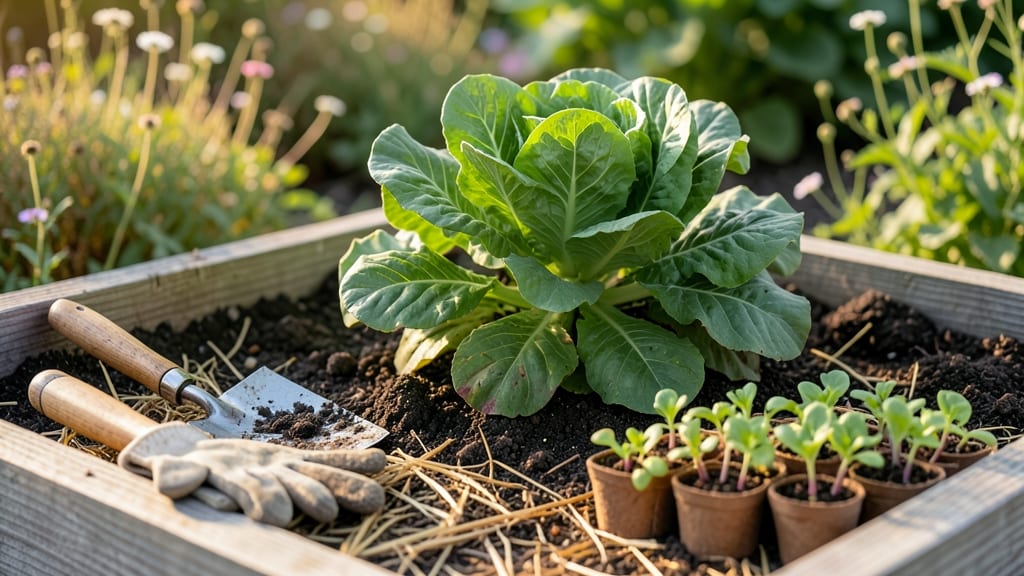
When can I plant lettuce in Zone 7 without risking bitter bolts or wasted effort? The answer depends on timing your seeds to avoid summer heat while maximizing crisp harvests—both spring and fall offer prime windows, but getting the weeks wrong means sad, wilty 🥬 instead of fresh salads.
Zone 7’s 7a/7b climate gives you two clear chances: early spring (March-April) when soil warms to 40°F, and late summer (August-September) to beat the first frost.
Plant too early, and your lettuce bolts before you can enjoy it; too late, and you’ll miss the sweet spot for cold-hardy varieties that thrive through fall’s chill.
I’ve tested this myself—spring plantings should start 4-6 weeks before your last frost date (around mid-March for 7b, early April for 7a), while fall plantings can begin as early as late July for a second harvest.
The key? Heat-tolerant varieties like ‘Jericho’ or ‘Black Seeded Simpson’ stretch your window, but even they need shade in July’s peak.
Ready to grow lettuce that stays crisp and sweet? I’ll break down the exact week-by-week schedule, soil temp tricks, and how to use shade cloth to extend your harvest—no more guesswork, just bolt-free, homegrown greens all season long.

Zone 7 lettuce planting calendar: exact weeks for spring and fall success
Timing is everything when growing lettuce in Zone 7. The difference between a thriving crop and a bitter, bolted mess often comes down to planting dates that align with your local climate.
In Zone 7, we get two prime planting windows: early spring and late summer/fall. Miss these, and you’ll either deal with heat stress or early frost damage.
For spring lettuce, I start seeds indoors 4-6 weeks before the last frost (typically mid-March in Zone 7a/b). Transplant seedlings outdoors once soil temps hit 40°F—usually by early April. This gives your lettuce enough time to mature before summer’s heat triggers bolting.
In fall, the window opens again after mid-August, letting you squeeze in a second harvest before winter sets in.
Zone 7’s unpredictable weather makes precise timing critical. A late frost in April or an early heatwave in May can ruin your crop if you’re not prepared. That’s why I rely on soil temperature (not air temperature) as my guide—lettuce roots thrive in 40-70°F soil, but anything above 75°F sends them into bolting mode.
Here’s my week-by-week planting schedule for Zone 7, tailored to avoid common pitfalls like bolting and frost damage:
| Season | Planting Window | Soil Temp | Key Notes |
|---|---|---|---|
| Spring | Mid-March (indoors) → Early April (outdoors) | 40-60°F | Use shade cloth if temps rise above 70°F |
| Spring | Late April (succession) | 50-65°F | Choose heat-tolerant varieties like 'Jericho' |
| Fall | Mid-August (direct sow) | 60-70°F | Avoid planting after September 15 for harvests |
| Fall | Late September (cold-hardy varieties) | 50-60°F | Use row covers for winter protection |
One of my biggest mistakes was planting lettuce in June—I thought I could beat the heat, but within weeks, my crisp romaine turned bitter and bolted. Now, I stick to shade-tolerant varieties like 'Black Seeded Simpson' for late spring or use 30% shade cloth to keep soil temps down.
For fall, I prioritize cold-hardy varieties like 'Winter Density' that can handle light frosts.
Pro tip: In Zone 7, succession planting every 2 weeks from March to September ensures a steady harvest. Start with 10-12 seeds per hill, thin to 4-6 plants, and watch your garden become a leafy green machine. Just remember—consistent moisture is key, especially during transplant shock.
For container gardeners, 5-gallon pots work well for lettuce, but you’ll need to plant 2-3 weeks earlier than in-ground beds since pots warm up faster. Always use well-draining soil mixed with compost to prevent root rot, which is a silent killer for lettuce.
Finally, don’t forget about microclimates. A spot near your house might stay 10°F warmer than your garden’s edge, delaying frost or accelerating heat stress. Test your soil in multiple locations before committing to a planting date—your lettuce will thank you with crisp, flavorful leaves all season long.
🌱
Zone 7 lettuce planting calendar: exact weeks for spring and fall success
Timing your lettuce planting in Zone 7 requires precision—miss the window, and you’ll either face bolting from heat or lose your harvest to frost. The key is planting when soil temperatures stay between 40°F and 75°F, which aligns with Zone 7’s spring and fall seasons.
For most of Zone 7, this means starting seeds 4-6 weeks before your last frost date (typically mid-April for 7a, early April for 7b).
In spring, aim to have seedlings ready by late March to early April, while fall plantings should begin in mid-August to early September—this gives lettuce time to mature before the first frost (mid-October for 7a, early November for 7b).
Heat-tolerant varieties like Jericho or Black Seeded Simpson can handle brief summer heat, but most lettuce thrives in cooler weather.
For spring plantings, start seeds indoors in early March or direct-sow in late March to avoid transplant shock. Use shade cloth (30-50%) if daytime temperatures exceed 80°F to prevent bolting. In fall, focus on cold-hardy varieties like 'Winter Density' that can withstand light frosts.
Succession plant every 2-3 weeks in spring and 3-4 weeks in fall to ensure a continuous harvest.
Zone 7’s microclimates play a huge role—urban areas may experience heat islands that delay spring or hasten fall planting. Test your soil temperature with a soil thermometer (ideal range: 50°F-70°F) before planting.
If your soil runs hotter, opt for container growing with afternoon shade or mulch heavily to retain moisture.
Don’t forget about succession planting—this is how gardeners in Zone 7 extend harvests. Plant a new batch every 2 weeks in spring and 3 weeks in fall to keep your salad bowl stocked.
For example, if your first spring planting bolts by late May, a second batch sown in early June (with shade) might still yield by August.
Pro tip: Mark your last frost date on your calendar and count backward. For Zone 7a, this is typically April 15, while Zone 7b averages April 1.
Aim to have 4-6 week old seedlings ready by these dates for transplanting. If you’re unsure, check your local Cooperative Extension Service for precise frost data.