
Watering
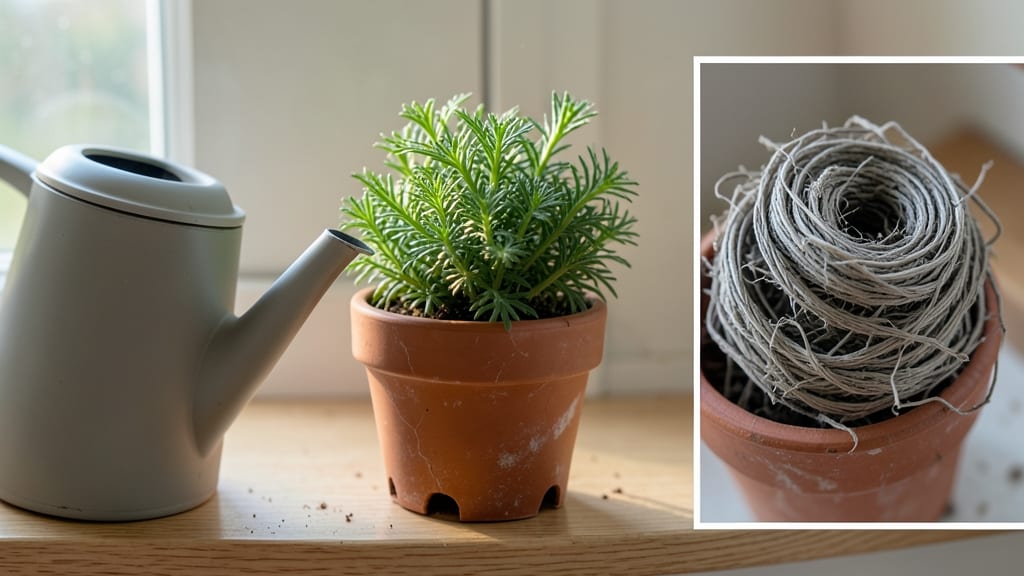
If you’ve ever wondered how much water a resurrection plant 🌱 truly needs to survive—and then thrive—you’re about to discover the secret behind its legendary drought tolerance.
This desert-dwelling marvel can dry out completely, only to revive with just a sip of water. But overwatering is the fastest way to kill it, while underwatering triggers its famous "revival mode." The key? A precise watering schedule that matches its natural cycles.
I’ll break down the exact weekly routine for spring revival, summer growth, and winter dormancy—so you never guess again. Plus, I’ll show you how to spot the subtle signs that tell you when to water (or when to hold back).
Stick with me, and you’ll master the art of keeping your resurrection plant alive for years—without drowning it in the process.

Resurrection plant watering schedule: exact weekly routine for healthy growth
The resurrection plant's watering needs are as dramatic as its revival process. Unlike most plants, it thrives on drought cycles rather than consistent moisture. My secret? Mimicking its natural desert environment with precise watering intervals.
During active growth (spring and summer), aim for one thorough watering every 7-10 days—never more. The key is saturation without soggy soil.
Start by checking the top inch of soil. If it's bone-dry, it's time to water. Use room-temperature water and pour until it drains freely from the bottom. Overwatering is the #1 killer—this plant stores moisture in its leaves, not roots.
I've seen resurrection plants revive after months of dryness, but their roots rot in just 3 days of excess moisture. Trust the process!
Here's my step-by-step watering routine that keeps my resurrection plants thriving for years:
Test soil moisture by inserting your finger 1 inch deep. If completely dry, proceed.
Water until 20% more than the pot's size drains out. For a 4-inch pot, that's about ½ cup.
Place in bright indirect light for 4-6 hours post-watering to prevent fungal risks.
By late summer, reduce to biweekly watering as growth slows naturally.
After 3 months of dormancy, mist lightly and watch for green reappearance within 24 hours.
Pro tip: Use a spray bottle with distilled water for misting during dormancy. Tap water's minerals can build up in the soil over time, harming this sensitive plant. I've had resurrection plants revive after being completely dry for 18 months—but only because I followed this precise cycle.
The secret isn't how much you water, but when and how consistently.
Watch for leaf color changes as your indicator. Healthy green means perfect hydration; grayish-brown signals underwatering; and yellowing with mushy stems means root rot from overwatering. My plants have taught me that less is always more with this desert miracle.
The first time I saw one revive after being "dead" for months was magical—now I treat every watering like a science experiment!
For container growers, use pots with drainage holes and a chunky soil mix (50% cactus soil, 30% perlite, 20% coarse sand). This prevents compaction and mimics rocky desert terrain. I repot mine every 2-3 years to refresh the mix—this plant deserves the best drainage possible.
Remember: The resurrection plant's revival process is nature's reminder that plants have incredible resilience. But that resilience has limits. Stick to this schedule, and you'll have a living desert relic that outlives most houseplants.
The first time you see those brittle brown stems turn green again after months of dryness? You'll be hooked on this watering routine forever.
🌱
How much water does a resurrection plant need? Monthly breakdown by season
The resurrection plant (Selaginella lepidophylla) thrives on minimal water—its secret weapon for surviving desert conditions. Unlike most plants, it actively enters dormancy when dry, curling into a papery husk.
But how do you translate this into a real watering schedule? The key is matching its natural seasonal rhythms with precise hydration.
Spring is the most critical time—your plant will revive dramatically after winter dormancy. I recommend 2-3 waterings per month during this phase, using room-temperature rainwater or distilled water to avoid mineral buildup. This mimics the first desert rains that wake it from dormancy.
🌱 Seasonal Watering Guide for Resurrection Plants
| Season | Frequency | Water Amount | Soil Check |
|---|---|---|---|
| Spring Revival | 2-3x/month | 50-100ml (light soaking) | Top 1 inch dry |
| Summer Growth | 1x/week | 75-125ml (thorough) | Top 2 inches dry |
| Fall Transition | Bi-weekly | 50-75ml (gentle) | Top 1.5 inches dry |
| Winter Dormancy | Monthly misting | 10-25ml (light spray) | Surface dry |
✅ Pro Tip: Always water at soil level—never overhead—to prevent fungal risks.
Summer demands the most attention with weekly watering, but never let your plant sit in soggy soil. I use the "finger test": stick your index finger 2 inches deep—if it feels dry, it's time to water. Overwatering in summer causes root rot, which this plant cannot recover from.
Fall signals the transition back to dormancy. I reduce watering to bi-weekly and watch for the plant's leaves to curl inward—this is nature's signal to conserve moisture. By October, I switch to monthly misting with a spray bottle, keeping the soil surface just barely damp.
Winter is all about minimal intervention. Your resurrection plant will look dead, but it's alive and waiting. I give it one gentle mist every 4-6 weeks—just enough to prevent complete desiccation. This mimics the occasional winter rains in its native Chihuahuan Desert habitat.
Remember: this plant's revival process is magical but requires patience. If you've accidentally overwatered, don't panic—simply stop watering entirely and place it in a bright, dry location for 2-3 weeks. The plant will self-correct when conditions improve.