
Watering
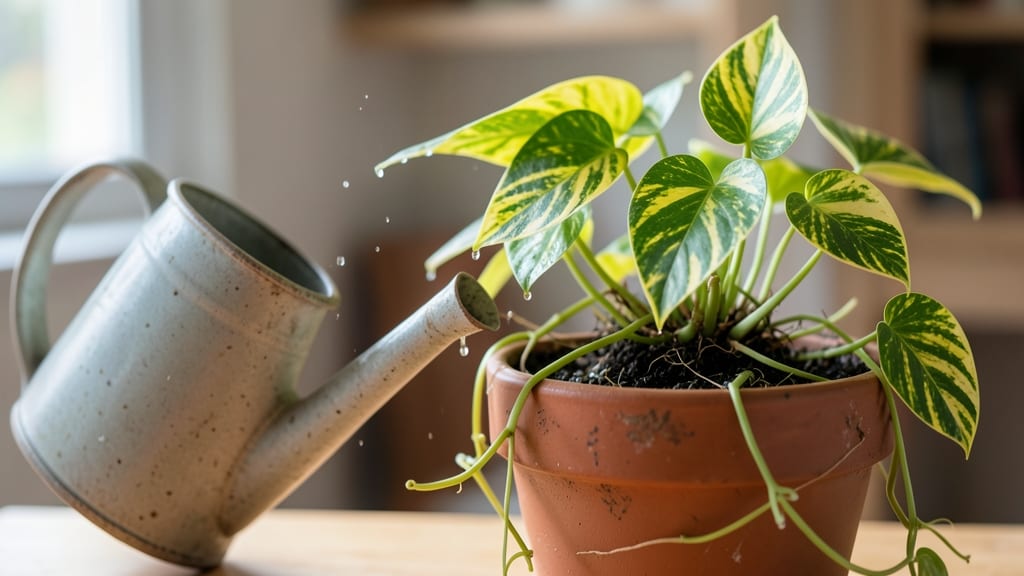
That money plant how much water it needs might be the secret to its survival—or the reason it’s slowly dying. The truth? Most people get the balance wrong, and it’s costing them those lush, lucky leaves.
Whether you’re a plant newbie or a seasoned grower, knowing exactly how much water your money plant needs can mean the difference between vibrant growth and sad, wilted stems.
Here’s the deal: these tropical vines don’t play by strict rules, but they do need consistency. Too little water, and the leaves crisp up like autumn leaves. Too much, and you’re basically giving them a soggy grave. The key is checking the soil—not just guessing.
I’ll show you how to read your plant’s signals and adjust your watering schedule like a pro, so you never have to wonder if you’re overdoing it or letting it dry out.
Think seasonal changes don’t matter? Think again. Your money plant’s water needs shift from summer’s heat to winter’s dry air, and ignoring that can lead to root rot or stunted growth.
We’ll break down the perfect watering routine, including when to water, how much to give, and what to watch for in those leaves. Trust me, once you master this, your money plant will thrive—and maybe even bring you a little extra luck.
Ready to stop the guesswork and give your plant the care it deserves? Let’s dive into the exact watering schedule and tips that’ll keep your money plant happy, healthy, and growing strong all year round. No more second-guessing, just lush, vibrant leaves every time.

How often to water money plants: the exact schedule by season
Your money plant (Pachira aquatica) thrives on a consistent but flexible watering schedule, shifting with the seasons. Unlike thirsty succulents, money plants prefer their soil to dry out slightly between waterings—about 1-2 inches deep. The key? Check soil moisture before watering, not just the calendar.
In spring and summer, your money plant enters its growth phase, demanding slightly more frequent watering. This is when it rewards you with lush, vibrant leaves.
But even then, overwatering is the silent killer—root rot sets in faster than you’d think, especially in plastic pots without drainage. Always prioritize well-draining soil and containers with holes.
🌱 Money Plant Watering Schedule by Season
| Season | Frequency | Soil Check | Visual Cues |
|---|---|---|---|
| Spring | Every 7-10 days | Top 1-2" dry | New leaves emerging |
| Summer | Every 5-7 days | Top 1" dry | Leaves slightly wilted by late afternoon |
| Fall | Every 10-14 days | Top 2-3" dry | Growth slows, leaves darken |
| Winter | Every 14-21 days | Top 3" dry | Dormant phase, minimal growth |
💡 Pro Tip: Use your finger to check soil moisture—stick it 1-2 inches deep. If it feels dry, water; if damp, wait.
During summer’s peak heat, your money plant may show mild afternoon wilting—this is normal! Water in the morning to give roots time to absorb moisture before the sun peaks. Avoid evening watering, as damp leaves overnight invite fungal diseases like powdery mildew.
Fall signals a shift to dormancy prep. Reduce watering by 30-50% as temperatures drop. Your plant’s growth slows, and overwatering now can lead to root suffocation. Look for darkening leaves and slower growth—these are signs to cut back.
Winter is your money plant’s resting season. Water only when the top 3 inches of soil are bone dry. Overwatering in winter can drown roots that aren’t actively growing. Place the pot on a drainage tray to catch excess water and prevent soggy soil.
Pot size matters! A small 6-inch pot dries out faster than a 12-inch container. Adjust your schedule: small pots = water more frequently, large pots = extend intervals. Always ensure your container has drainage holes—no exceptions!
Humidity plays a role too. If your home is dry (below 40% humidity), your money plant may need water 1-2 days earlier than the schedule. Place a humidity tray with pebbles and water nearby to mimic its tropical roots’ natural environment.
Finally, water quality counts. Money plants hate chlorine and fluoride in tap water. Let tap water sit 24 hours before using, or switch to filtered or rainwater. Avoid ice-cold water—always use water at room temperature to prevent shock.
Remember: yellowing leaves often mean overwatering, while brown, crispy edges signal underwatering. Your money plant’s health is a balancing act—master this rhythm, and you’ll enjoy lush, lucky leaves year-round. 🌿
Signs your money plant is Overwatered or underwatered (with fixes)
Your money plant’s leaves speak volumes about its hydration—yellowing or drooping signals trouble. Overwatering causes root rot, while underwatering leads to crispy edges. Let’s decode these clues so you can rescue your plant before it’s too late.
First, check the soil moisture with your finger. If the top 1-2 inches feel damp, hold off on watering. For underwatering, the soil will be bone-dry, and leaves may curl inward like a sad taco. Both extremes stress your plant, but the fixes are simple once you know the signs.
🌱 Overwatered money plants often show yellow leaves that start at the bottom. The stems may feel mushy when pressed, and the pot smells sour or moldy. This is your plant’s SOS for poor drainage—act fast to save the roots.
🌱 Quick Fixes for Overwatered Money Plants
- 🔹 Stop watering immediately and let soil dry.
- 🔹 Repot in fresh, well-draining soil if roots smell rotten.
- 🔹 Trim yellow leaves to redirect energy.
- 🔹 Check drainage—add perlite or orchid bark to pots.
💧 Quick Fixes for Underwatered Money Plants
- 🔹 Water deeply until it drains from the bottom.
- 🔹 Mist leaves lightly to boost humidity.
- 🔹 Avoid direct sun until leaves recover.
- 🔹 Use room-temperature water to prevent shock.
Underwatered money plants often have brown leaf tips or dry, crispy edges. The leaves may also droop dramatically but bounce back after a good drink. Unlike overwatering, this issue is usually reversible with a deep watering session and better soil moisture tracking.
Pro tip: Place your money plant’s pot on a saucer with pebbles to create a self-watering system. This raises the pot slightly, allowing excess water to drain while keeping roots hydrated. It’s a game-changer for consistent moisture without overdoing it.
If your plant’s leaves feel soft or squishy, it’s a red flag for severe root rot. In this case, prune the damaged roots with sterilized scissors and repot in fresh soil. For underwatering, focus on morning watering to mimic natural rainfall cycles and reduce evaporation.
🌿 Remember, your money plant thrives on a balanced watering routine. Stick to the 7-10 day rule in spring/summer and adjust for winter’s slower growth. With these fixes, your plant will bounce back faster than you think!