
Plants
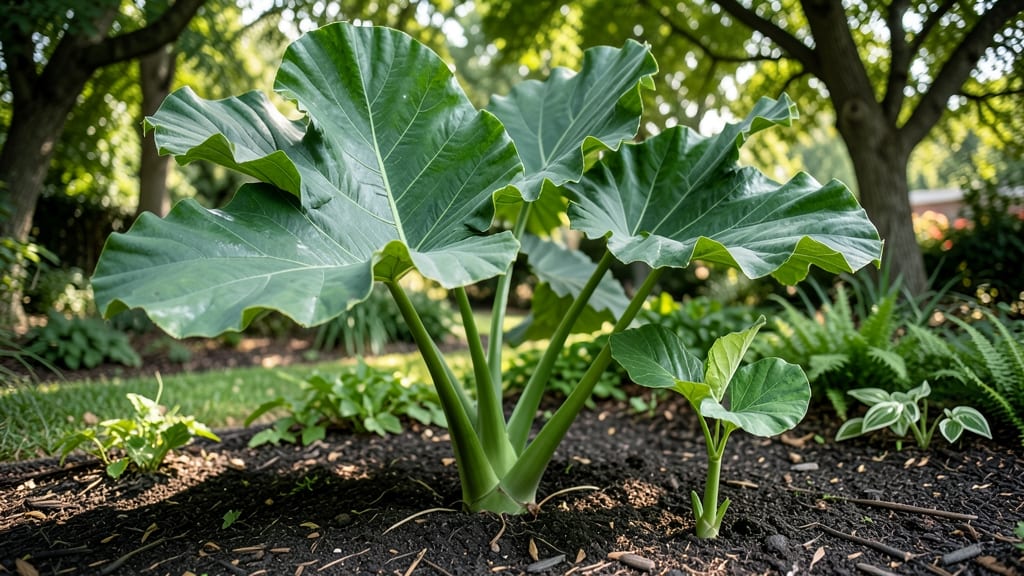
If you're wondering how tall an elephant ear plant 🌿 can grow, the answer might surprise you—these tropical beauties range from compact 2-foot dwarfs to towering 6-foot giants in just one season.
Whether you're planning a bold garden statement or a cozy container display, knowing the right variety for your space makes all the difference.
Elephant ear plants (Colocasia and Alocasia spp.) are famous for their dramatic foliage, but their height depends entirely on the cultivar and growing conditions. Some stay manageable for small gardens, while others need room to stretch their legs—literally.
Let’s break down exactly what to expect so you can choose the perfect fit for your outdoor or indoor space.
From dwarf varieties that stay under 3 feet to standard types reaching 5-6 feet, the growth potential is staggering. Sunlight, soil quality, and even your local climate play a role in how tall they’ll climb.
With the right care, you can control their height—or let them go wild for a lush, tropical vibe.
Ready to transform your garden? I’ll share the exact height ranges by variety, plus pro tips to keep your elephant ear plants thriving—whether you want them tall, short, or somewhere in between. Let’s get started!


Exact height ranges for popular elephant ear plant varieties
Elephant ear plants (Colocasia and Alocasia spp.) are famous for their bold, tropical foliage—but their mature heights vary dramatically. Some stay under 2 feet, while others reach 6 feet or taller, making variety selection critical for your garden layout.
Let’s break down the exact height ranges for popular cultivars so you can choose the perfect fit for your space.
First, understand that Colocasia (true elephant ears) typically grow 3-5 feet tall, while Alocasia (like Alocasia Polly or Alocasia zebrina) often stay 2-3 feet tall.
However, some giant varieties like Colocasia gigantea can exceed 6 feet in ideal conditions. Always check the cultivar name before planting to avoid surprises!
Below is a detailed height guide for the most commonly grown elephant ear varieties. These ranges reflect mature heights under standard care (partial shade, rich soil, and consistent moisture). Remember, container-grown plants may stay 1-2 feet shorter than their in-ground counterparts.
🌱
| Variety | Mature Height | Spread | Notes |
|---|---|---|---|
| Colocasia 'Black Magic' | 3-4 ft | 2-3 ft | Deep purple-black leaves; compact for its size. |
| Colocasia 'Illustris' | 3-5 ft | 3-4 ft | Classic green with white veins; classic variety. |
| Colocasia 'Giant Red' | 5-6 ft | 4-5 ft | Bold red stems; needs staking for support. |
| Alocasia 'Polly' | 2-3 ft | 1-2 ft | Dwarf variety; great for containers or borders. |
| Alocasia 'Zebrina' | 2-3 ft | 2 ft | Striped leaves; slower grower than Colocasia. |
| Colocasia 'Pink China' | 4-5 ft | 3-4 ft | Pinkish-purple leaves; thrives in heat. |
| Colocasia 'Raft Leaf' | 3-4 ft | 3-4 ft | Large, shield-shaped leaves; needs moisture. |
If you’re planning a small-space garden, prioritize Alocasia varieties or dwarf Colocasia like 'Black Magic'. For dramatic focal points, 'Giant Red' or 'Pink China' will make a statement—but allocate 5+ feet of vertical space and consider staking to prevent flopping.
Always measure your garden bed before planting to avoid crowding.
Another key factor is growth rate. Elephant ears can grow 1-2 feet per season under ideal conditions. In USDA Zone 8-10, they may grow continuously, while in cooler zones (Zone 6-7), growth slows significantly. If you’re in a shorter growing season, start with larger tubers for quicker establishment.
For container gardening, choose dwarf varieties like 'Polly' or 'Zebrina' to keep heights under 3 feet. Even then, use 15-gallon or larger pots to accommodate root growth. Smaller containers will restrict height but may also limit overall plant health. Always include drainage holes to prevent root rot.
🌿
Pro tip: If you love the look of elephant ears but need to control height, opt for Alocasia hybrids—they rarely exceed 3 feet and often stay bushier.
For Colocasia, prune back stems in early spring to encourage shorter, bushier growth. This works best for varieties like 'Illustris' or 'Raft Leaf'.
Finally, remember that light and soil quality directly impact height. Plants in full sun may grow 1-2 feet taller than those in partial shade, while poor soil drainage can stunt growth entirely. Amend your soil with compost and use a well-draining potting mix to ensure optimal height potential.
✂️
Exact height ranges for popular elephant ear plant varieties
Elephant ear plants (Colocasia and Alocasia spp.) are prized for their bold, tropical leaves, but their mature height can vary dramatically—from compact dwarf varieties to towering giants. Understanding these differences helps you plan your garden layout and choose the right variety for your space.
For example, dwarf varieties like 'Black Magic' stay under 2 feet tall, while giant types such as 'Illustris' can reach 6 feet or more.
Height isn’t the only factor—growth habits matter too. Some varieties grow upright, while others spread horizontally, creating a lush, ground-hugging display. If you’re working with limited space, container gardening is a great solution, but larger varieties will still need room to thrive.
Always check the mature size label when selecting plants, as this determines their long-term impact in your garden.
| Variety | Height Range | Growth Habit | Best For |
|---|---|---|---|
| 'Black Magic' (Colocasia) | 1.5–2 ft | Compact, clumping | Containers, small gardens |
| 'Illustris' (Colocasia) | 3–6 ft | Tall, upright | Back of borders, tropical themes |
| 'Polly' (Colocasia) | 2–3 ft | Bushy, spreading | Mid-height gardens, mixed beds |
| 'Frydek' (Alocasia) | 2–4 ft | Clumping, broad leaves | Shady spots, woodland gardens |
| 'Mojito' (Colocasia) | 2.5–4 ft | Upright, glossy leaves | Modern landscapes, urban gardens |
When selecting varieties, consider your garden’s light conditions and moisture levels. Most elephant ear plants thrive in partial shade and rich, moist soil, but taller varieties like 'Illustris' may need staking to prevent flopping in windy areas.
If you’re unsure about a variety’s height, check the nursery tag or ask the grower—this ensures you’re prepared for their mature size.
Another key factor is growth rate. Elephant ears can shoot up 1–2 feet per season, so plan accordingly. For instance, a 3-foot variety planted in spring might reach 5 feet by fall with ideal care.
This rapid growth makes them perfect for filling empty spaces quickly, but it also means you’ll need to monitor their progress to avoid overcrowding.
For small gardens or container growing, opt for dwarf or semi-dwarf varieties like 'Black Magic' or 'Polly'. These stay manageable while still delivering the dramatic foliage you love.
Just remember: even compact varieties can spread wide, so leave 2–3 feet of space around each plant for their roots to establish comfortably.
If you’re aiming for a tropical oasis feel, mix tall and short varieties together. Place taller types like 'Illustris' at the back of borders, while shorter ones like 'Mojito' can anchor the front. This creates depth and visual interest while keeping your garden looking intentional and well-planned.