
Plants
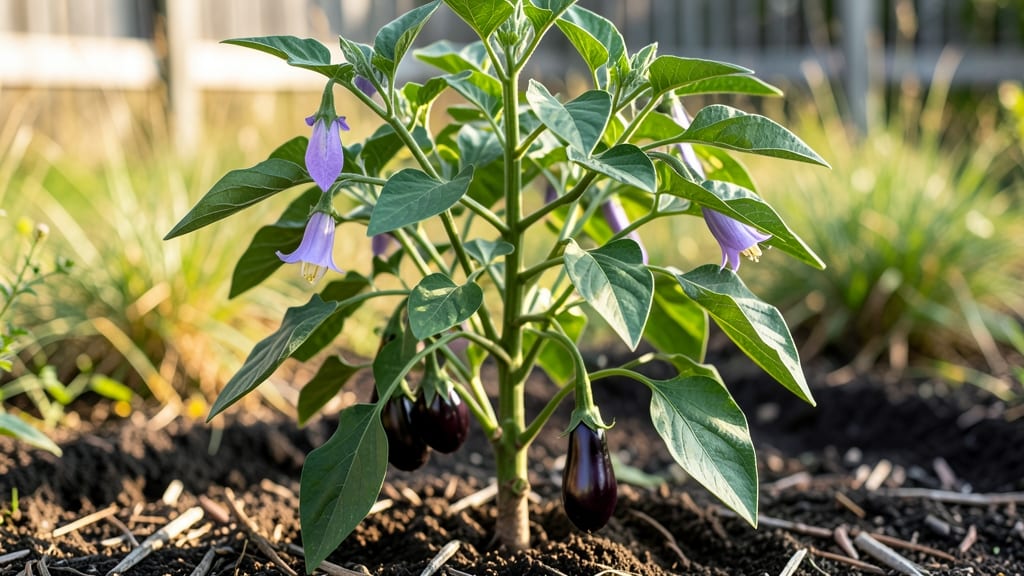
If you're planning your garden and wondering "how tall does an eggplant plant grow", the answer might surprise you—these 🍆 beauties can reach heights that change how you design your space!
Standard varieties often climb to 3-4 feet, while dwarf types stay compact at just 1-2 feet, making them perfect for containers or small gardens.
Knowing your eggplant's potential height helps you choose the right spot and avoid overcrowding. Whether you're working with USDA Zone 6a conditions or a cozy balcony, selecting the right variety ensures a thriving harvest without sacrificing space for other plants.
But here's the kicker: pruning and trellising can tweak that height even more. With the right techniques, you can keep vining types in check or encourage bush varieties to grow taller—giving you flexibility to work with your garden's layout.
Ready to maximize your eggplant's growth? I’ll break down the best varieties for your space and share pro tips to keep your plants happy, no matter how tall they get. Let’s get growing!


Eggplant plant height by variety: from compact to towering
If you're planning your garden layout, knowing eggplant plant height is essential. Most varieties reach 2 to 4 feet tall, but some can grow even taller with proper care.
The height varies dramatically between dwarf varieties and standard or vining types, so choosing the right one for your space is key. Compact varieties are perfect for containers or small gardens, while taller types thrive in open beds or with trellises.
For example, the popular Black Beauty eggplant typically grows 3 to 4 feet tall with a bushy habit, while Fairy Tale eggplants stay compact at just 1 to 2 feet tall.
Even within standard varieties, some like Ichiban can reach 4 to 5 feet if left unpruned. Understanding these differences helps you maximize your garden's efficiency and yield.
Here’s a quick comparison of common eggplant varieties and their mature heights to help you decide what fits best in your garden:
| Variety | Height Range | Growth Habit | Best For |
|---|---|---|---|
| Black Beauty | 3–4 ft | Bushy | Open gardens, raised beds |
| Fairy Tale | 1–2 ft | Compact | Containers, small spaces |
| Ichiban | 4–5 ft | Vining | Trellises, large gardens |
| Rosa Bianca | 2–3 ft | Bushy | Balconies, small plots |
| Little Finger | 1–2 ft | Compact | Containers, urban gardens |
When selecting varieties, consider not just height but also fruit size and growth speed. For instance, Fairy Tale produces small, sweet fruits perfect for containers, while Ichiban yields large, meaty eggplants ideal for grilling but needs more vertical space.
If you’re short on room, dwarf varieties are your best bet, but they may produce fewer fruits than taller types.
Another factor to consider is pruning impact. Even standard varieties like Black Beauty can be pruned to stay shorter, making them versatile for different garden setups. Pruning also encourages larger fruit production by directing energy toward fewer, bigger eggplants.
Just be sure to leave at least 3–4 main stems to support the plant’s structure.
For container gardening, stick to dwarf or semi-dwarf varieties like Fairy Tale or Rosa Bianca, which thrive in 5-gallon pots or larger. These compact plants also handle limited root space better than their taller counterparts.
If you’re growing in containers, ensure the pot has drainage holes and use a lightweight potting mix to prevent root-bound issues.
If you’re growing eggplants in raised beds, taller varieties like Ichiban can work well as long as you provide support or trellising. Raised beds offer better drainage and warmer soil, which can speed up growth and increase height.
Just be mindful of spacing—3 feet apart for bushy types and 4 feet apart for vining varieties ensures they have room to spread without competing for nutrients.
Finally, don’t overlook regional climate effects on height. In warmer climates (Zones 9–11), eggplants may grow taller and faster due to longer growing seasons.
Conversely, in cooler zones (Zones 6–8), they might stay shorter unless given extra care like row covers or black plastic mulch to extend the season. Always check your USDA zone and adjust your variety selection accordingly.
Now that you know the height ranges, you can confidently plan your garden layout—whether you’re aiming for a compact container garden or a towering trellis display. The right variety and care will ensure your eggplants thrive without overcrowding your space! 🌱
How to control eggplant height for small gardens or containers
If your garden space is limited, you don’t have to sacrifice eggplant growth—just choose the right strategies. Compact varieties and pruning techniques can keep your plants manageable while still yielding delicious fruit. Even in containers or raised beds, you can optimize height without losing productivity.
For small gardens, consider bush varieties like Fairy Tale or Patio Baby, which stay under 2 feet tall. These are perfect for container gardening or tight spaces. If you’re growing taller varieties, trellising or pruning can help direct energy toward fruit production instead of vertical growth.
Here’s how to manage eggplant height effectively, whether you’re working with a 5-gallon pot or a raised bed:
Opt for dwarf or bush types like Fairy Tale (1-2 ft) or Ichiban (2-3 ft). These thrive in containers and need less space.
Remove side shoots below the first flower cluster to encourage upward growth. Pinch back tips of main stems to promote bushier, shorter plants.
Train vining varieties like Black Beauty onto trellises or cages to limit sprawl. This also improves air circulation and reduces disease risk.
Avoid high-nitrogen fertilizers, which encourage leafy growth over fruit. Use a balanced 10-10-10 formula sparingly to keep plants compact.
Removing ripe fruit regularly signals the plant to focus on producing more fruit instead of height. This keeps plants shorter and more manageable.
Even in containers, eggplants can thrive if you provide well-draining soil and adequate sunlight. A 5-gallon pot is ideal for dwarf varieties, while larger containers (like 10-gallon pots) work for standard types with pruning.
For raised beds, space plants 18-24 inches apart to prevent overcrowding. If using trellises, install them early to support heavy fruit loads without bending stems. With these techniques, you can enjoy bountiful eggplants—even in the smallest of spaces!
🌱