
Plants
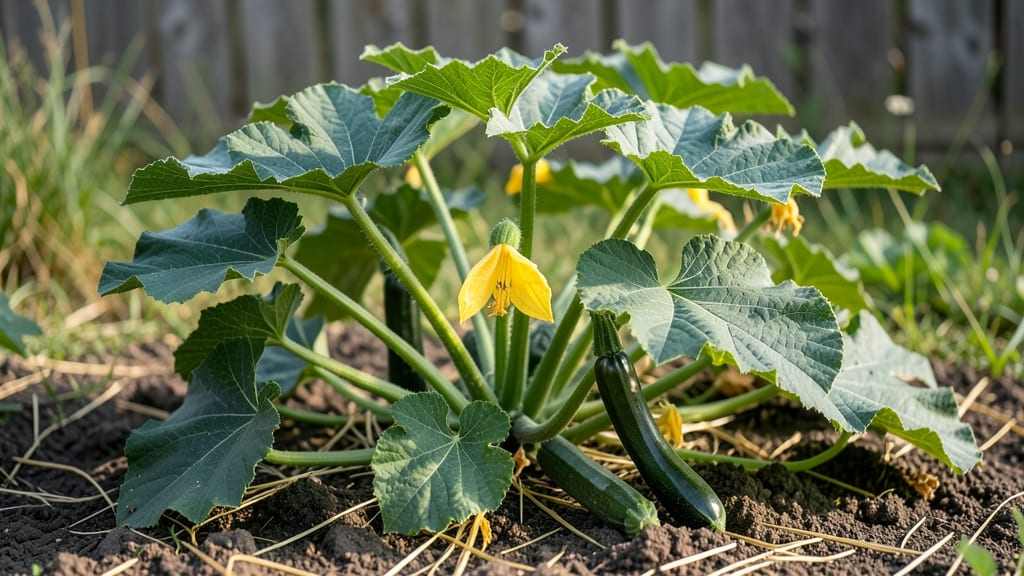
If you're wondering how tall does a zucchini plant grow, the answer might surprise you—especially if you're working with limited garden space.
These 🎃 plants can tower anywhere from 2 to 6 feet, depending on whether you're growing bush or vining varieties, and understanding their growth habits is key to maximizing your harvest.
For many gardeners in USDA Zone 6a, zucchini planted in spring (April-May) can quickly outgrow small plots if left unchecked. But with the right techniques, you can turn that sprawling growth into an advantage—whether by training vines upward or choosing compact varieties that stay under 2 feet tall.
What if I told you that a single zucchini plant could produce 10 pounds of fruit in a season? That’s why knowing how to manage their height isn’t just about aesthetics—it’s about efficiency.
Whether you’re dealing with a backyard plot or a balcony container, the right spacing and support can make all the difference in your yield.
In this guide, I’ll break down everything you need to know—from the fastest-growing varieties to space-saving hacks that work even in tight spots. Let’s get started!


Zucchini plant height: standard growth patterns and space requirements
When planning your garden, knowing how tall zucchini plants grow helps you maximize space and yield. Most zucchini varieties reach 3 to 6 feet tall at maturity, but their growth habits vary significantly between types. Understanding these differences is key to choosing the right variety for your garden layout.
Zucchini plants fall into two main categories: bush types and vining types. Bush varieties stay compact, typically growing 1 to 2 feet tall, while vining types can sprawl up to 6 feet or more.
This height difference directly impacts how you'll space your plants and whether you'll need trellising or support structures.
Here’s a quick comparison to visualize the differences:
| Variety Type | Mature Height | Root Spread | Ideal Spacing |
|---|---|---|---|
| Bush Varieties (e.g., 'Eight Ball', 'Patio Star') | 1–2 feet | 2–3 feet | 2–3 feet apart |
| Vining Varieties (e.g., 'Black Beauty', 'Gold Rush') | 4–6 feet | 3–4 feet | 3–4 feet apart |
| Semi-Dwarf Varieties (e.g., 'Raven') | 3–4 feet | 2–3 feet | 2–3 feet apart |
For example, the popular 'Black Beauty' zucchini is a vining type that can grow up to 6 feet tall if left unchecked, while 'Eight Ball' remains a compact 1–2 feet bush. Choosing the right variety based on your garden’s size and layout ensures healthier plants and easier maintenance.
Proper spacing is critical for zucchini plants. Crowding leads to stunted growth, poor air circulation, and increased disease risk. Bush varieties need 2–3 feet of space in all directions, while vining types require 3–4 feet.
If you’re growing in rows, leave 4–5 feet between rows to allow for easy access and airflow.
Another factor to consider is root spread. Zucchini roots can extend 2–4 feet outward, so avoid planting them too close to fences, walls, or other plants with shallow roots. This also helps prevent competition for nutrients and water, which can slow down growth and reduce yield.
If you’re working with limited space, consider training vining zucchini plants vertically. Using a trellis or cage can reduce their footprint by up to 50% while keeping the plants off the ground, which lowers the risk of rot and pests.
I’ve had great success with 5-foot-tall tomato cages repurposed for zucchini—just ensure the structure is sturdy enough to support the weight of the vines and fruit.
Monitor your zucchini plants’ growth regularly. If you notice stunted height or weak stems, it could signal nutrient deficiencies, poor soil quality, or inadequate sunlight.
Adjusting your care routine—like adding compost or relocating the plant to a sunnier spot—can help them reach their full potential height and produce a bountiful harvest.
For container gardening, opt for bush varieties or dwarf types. A 5-gallon pot is the minimum size for a single zucchini plant, and larger containers (like 10–15 gallons) will support vining types better.
Just ensure the pot has drainage holes to prevent root rot, which can stunt growth and even kill the plant.
Remember, the height of your zucchini plants isn’t just about aesthetics—it directly impacts how many fruits you’ll harvest. With the right variety, spacing, and support, you can grow zucchini successfully in even the smallest of gardens.
Zucchini plant height: standard growth patterns and space requirements
Zucchini plants are vigorous growers, but their mature height varies dramatically between varieties. On average, standard vining zucchini plants reach 4–6 feet tall, while bush varieties stay compact at 1–2 feet. Understanding these differences is key to planning your garden layout and maximizing space efficiency.
The height of your zucchini plants directly impacts their root spread and yield potential. Vining types spread wider and may need 3–4 feet of space between plants, while bush varieties can thrive with just 2 feet of clearance.
Proper spacing prevents competition for nutrients and sunlight, which can stunt growth.
Here’s how zucchini plant height breaks down by type:
When measuring your zucchini plants for pruning or trellising, focus on their main stem height and side branch length. Vining types develop long, sprawling vines that can reach 6 feet or more if unchecked, while bush varieties stay compact and bushy.
Prune side shoots to control height and encourage upward growth if space is limited.
For small gardens, consider dwarf varieties like 'Eight Ball' or 'Patio Star', which stay under 2 feet tall and produce abundant fruit without sprawling. These are perfect for containers or tight spaces, reducing the need for trellises or staking.
Proper spacing isn’t just about height—it’s also about root competition. Overcrowded zucchini plants compete for water and nutrients, leading to stunted growth and smaller yields. Always follow the spacing guidelines for your chosen variety to ensure healthy, productive plants.
If you’re growing zucchini in containers, opt for bush varieties or use vertical supports to manage height. A 5-gallon container can comfortably support a bush zucchini, while larger vining types may need 15-gallon pots or deeper planters to accommodate their roots.