
Plants
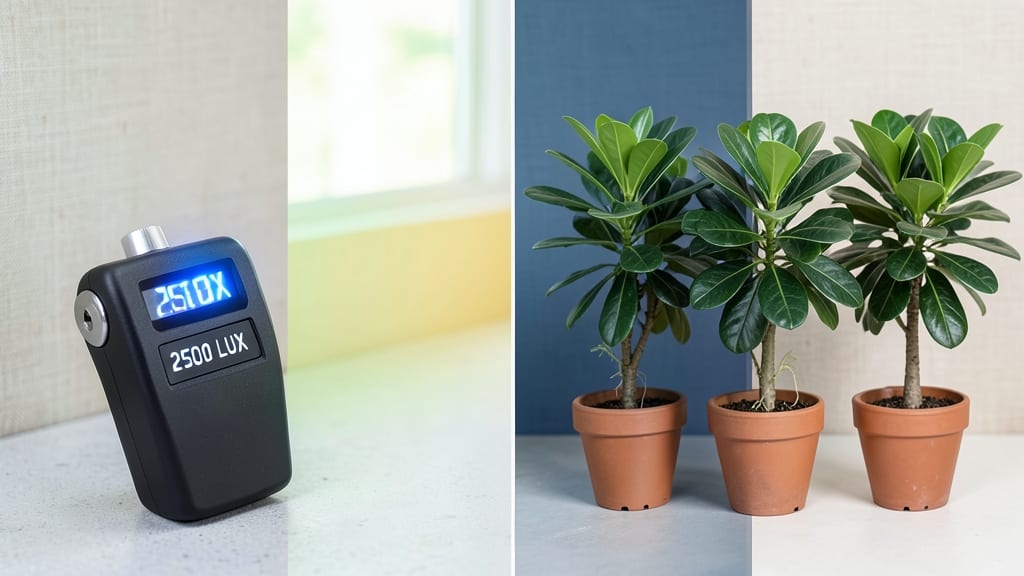
If your 🌿 Umbrella Plant is looking sad—droopy leaves, sparse growth, or yellowing—chances are, its light needs aren’t being met. The truth is, most people either overestimate or underestimate how much light this plant actually craves, and that’s the difference between a thriving houseplant and a struggling one.
You might think bright light means direct sunlight, but for your Umbrella Plant, that’s a recipe for disaster. Too much harsh light leads to crispy brown edges, while too little leaves it stretching awkwardly toward any available glow.
The sweet spot? Bright indirect light, like what you’d find near an east-facing window where the morning sun gently bathes your plant without scorching it.
your Umbrella Plant can adapt to low-light conditions, but it won’t thrive—it’ll grow leggy and weak. The good news? With a few simple tweaks, like rotating your plant weekly or adding a grow light, you can give it the perfect balance.Let’s break down exactly how to get it right, so your Umbrella Plant goes from struggling to stunning in no time.
Whether you’re dealing with a south-facing window that’s too intense or a dim corner that’s just not cutting it, this guide will help you diagnose the problem and fix it fast. No more guessing—just lush, happy leaves and a plant that actually lives up to its name.

Ideal light conditions for umbrella plants: bright indirect vs low light explained
Your umbrella plant (Schefflera) thrives in bright indirect light, but many gardeners accidentally place it in spots that cause stress. The key difference? Direct sun burns leaves, while too little light makes stems stretch weakly. Let’s break down the perfect light spectrum for this tropical favorite.
Umbrella plants need 4-6 hours of bright indirect light daily. Think of it like morning sun through sheer curtains—ideal for east-facing windows. South-facing windows can work, but only if you filter the harsh afternoon rays with a white curtain or sheer fabric.
healthy leaves should be deep green with no brown edges. If yours looks pale or yellow, it’s crying out for more light. But watch out—direct afternoon sun causes crispy brown tips, a classic sign of lightburn.In low-light conditions, umbrella plants slow their growth dramatically. You’ll notice leggy stems stretching toward any available light source, and leaves may develop a dull, pale appearance. This is your plant’s way of saying, “I need more energy to survive!”
| Light Type | Daily Exposure | Leaf Color | Growth Rate | Warning Signs |
|---|---|---|---|---|
| Bright Indirect | 4-6 hours | Deep green | Fast | Brown tips (too much sun) |
| Medium Indirect | 2-4 hours | Medium green | Moderate | Leggy growth (not enough) |
| Low Light | <2 hours | Pale green/yellow | Slow | Yellow leaves (overwatering risk) |
For outdoor umbrella plants, morning sun paired with afternoon shade is perfect. Place your plant where it gets dappled sunlight—like under a large tree or on a covered patio. If you’re growing it outdoors in summer, move it to partial shade by midday to prevent leaf scorch.
Pro tip: Rotate your umbrella plant quarter-turn weekly to ensure even light exposure. This prevents one side from stretching toward the light source, keeping your plant’s shape balanced and lush. Think of it like giving your plant a gentle massage!
If your home lacks natural light, grow lights are a game-changer. A simple LED grow light placed 12-18 inches above your plant for 12-14 hours daily mimics bright indirect light. Look for lights with a full-spectrum 6500K color temperature for optimal results.
Remember, umbrella plants are adaptable—they can tolerate medium indirect light if you can’t provide bright conditions. Just expect slower growth and smaller leaves. The goal is to find that sweet spot where your plant stays happy, healthy, and vibrant all year round. 🌿
How to adjust light for your umbrella plant: fixing common problems fast
Your 🌿 Umbrella Plant might be sending you SOS signals through its leaves—brown crispy edges, leggy stems, or yellow patches—and the culprit is often light exposure. The good news?
Most issues can be fixed with simple adjustments. Let’s tackle the most common light-related problems and how to resolve them before they become permanent damage.
First, check your plant’s current spot. If it’s sitting in direct afternoon sun, those brown tips are a sure sign of sunburn. Umbrella plants can’t handle harsh rays, especially between 12 PM and 4 PM.
Even a few hours of direct sun can cause irreversible damage. Move your plant 3 feet away from the window immediately to protect its delicate foliage.
Quick Fixes for Light Problems
If your Umbrella Plant is stretching toward the light like it’s reaching for a handout, it’s begging for more bright indirect light. This happens when it’s placed in a low-light corner or behind sheer curtains that block too much light.
To fix this, rotate your plant a quarter turn every week so all sides get even exposure. If natural light is lacking, invest in a LED grow light (look for one with a 6500K color temperature to mimic daylight).
Place it 12 inches above the plant and leave it on for 6-8 hours daily.
Seasonal changes can also throw off your Umbrella Plant’s light balance. In summer, when sunlight is intense, move it away from south-facing windows or use sheer white curtains to diffuse the light.
In winter, when days are shorter, supplement with a grow light or relocate it to a brighter spot, like a sunroom or kitchen, where it can soak up more natural light.
Don’t forget to monitor your plant’s humidity levels, especially in low-light conditions. Low light + high humidity = a recipe for yellow leaves and fungal issues.
If your home is dry (common with central heating), place a humidifier nearby or set the pot on a tray filled with pebbles and water. Keep the water level 1 inch below the pebbles to avoid overwatering the roots.
With these tweaks, your Umbrella Plant will bounce back in 4-6 weeks. Keep an eye on its progress—healthy leaves should be deep green and glossy, with no brown edges or yellow patches. If you notice new growth, you’re on the right track! 🌱