
Plants
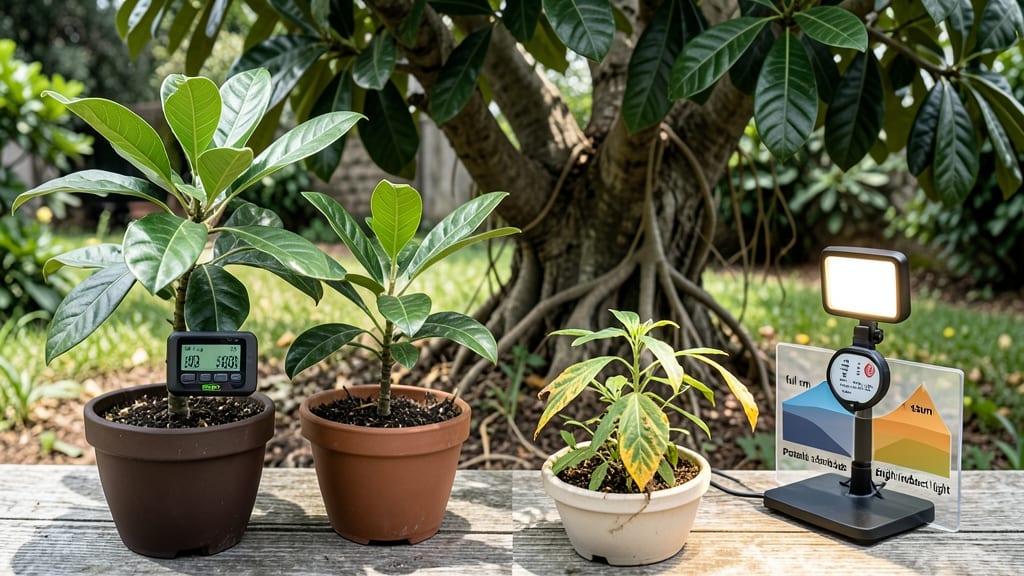
If you're wondering how much light does an avocado plant need, the answer lies in striking the perfect balance—too little sunlight and it stretches awkwardly, while too much can scorch those delicate leaves.
The key to keeping your plant healthy lies in understanding its exact light needs—and how to meet them, whether you're growing it indoors or outdoors.
Avocado plants love bright conditions, but they're not as tough as some other tropical plants. In USDA Zone 6, where many gardeners grow them, they need at least 6 hours of direct sunlight daily to thrive.
That means placing them near a south-facing window or moving them outside during spring and summer months when temperatures are mild.
Don't worry if your space doesn't get enough natural light—there are smart ways to supplement it. I'll show you how to spot when your plant isn't getting the right amount of light (like yellowing leaves or leggy growth) and what to do about it.
With these simple adjustments, you'll have a strong, vibrant avocado plant in no time.
The best part? Once you get the light right, your plant will reward you with lush foliage and maybe even fruit someday. Let's dive into exactly how much light your avocado needs to grow its best—and how to create the perfect conditions, no matter where you live.

Ideal sunlight requirements for avocado plants by growth stage
Avocado plants (Persea americana) thrive in bright, direct sunlight, but their needs change dramatically as they grow. Seedlings require gentle light to avoid scorching, while mature trees crave 6+ hours of full sun daily.
Understanding these stages helps prevent common mistakes like leggy growth or sunburned leaves.
For seedlings and young plants, start with 4-6 hours of filtered light—like a south-facing window or dappled shade outdoors. Too much direct sun can scorch tender leaves, while too little causes etiolation (stretched, weak stems). Gradually increase exposure over 2-3 weeks to harden them off.
Mature avocado plants need full sun exposure (6+ hours daily) to produce fruit and maintain health. In hot climates (USDA Zones 9-11), afternoon shade helps prevent heat stress, but morning sun is non-negotiable. If growing indoors, a south-facing window is ideal—north-facing windows often provide insufficient light.
Fruiting stages demand even more light, especially if you’re aiming for harvestable avocados. Trees in containers or small spaces may need supplemental grow lights to meet their photosynthetic needs. Without enough light, flowers may drop, and fruit development stalls.
Seasonal adjustments are key. In winter (USDA Zones 6-8), shorter daylight hours mean you may need to supplement with grow lights or rotate pots to maximize sun exposure. Conversely, in summer, watch for wilting or crispy leaf edges—signs of too much sun—and provide afternoon shade if needed.
Outdoor avocado trees benefit from morning sun and afternoon shade in extreme heat. If planting in containers, choose a location with unobstructed southern exposure and rotate the pot quarter-turns weekly to ensure even growth. This prevents the plant from leaning toward the light source.
🌱 Avocado Plant Sunlight Guide by Growth Stage
| Stage | Light Needs | Indoor Placement | Outdoor Placement | Adjustments |
|---|---|---|---|---|
| Seedlings (0-6 months) | 4-6 hours filtered light | South-facing window, 2-3 ft away | Dappled shade (50% sun) | Rotate weekly; avoid direct midday sun |
| Young Plants (6-24 months) | 6+ hours direct light | South window + grow light (12 hrs/day) | Full sun (morning + afternoon) | Prune leggy stems; supplement with LED grow lights |
| Mature Trees (2+ years) | 8+ hours full sun | Grow lights (14-16 hrs/day) | Full sun with afternoon shade in heat | Fertilize monthly; mulch to retain moisture |
| Fruiting Stage | 10+ hours full sun | High-intensity LED grow lights | South-facing location, no obstructions | Thin fruit for larger avocados; water deeply |
💡 Pro Tip: Use a light meter (5,000-10,000 lux) to monitor intensity. Seedlings need 3,000-5,000 lux, while mature trees thrive at 10,000+ lux.
If you’re growing avocados in containers, prioritize south-facing balconies or patios with reflective surfaces (like white walls) to bounce extra light onto the plant. In urban settings, large windows or skylights can work, but supplement with grow lights during winter when daylight dwindles.
For outdoor avocado trees, mulching around the base helps regulate soil temperature and retain moisture—critical in hot, sunny climates. Use organic mulch like straw or wood chips, keeping it 3-4 inches deep and 6 inches away from the trunk to prevent rot.
One common mistake is assuming "more sun is always better". In arid regions, afternoon sun can scorch leaves, while in humid climates, too much shade leads to fungal issues.
Balance is key—observe your plant’s response and adjust gradually. For example, if leaves turn yellow and crispy
Signs your avocado plant isn’t getting enough (or too much) light
Your avocado plant communicates its light needs through subtle (and not-so-subtle) clues. If the leaves start stretching toward the light source, it’s begging for more bright indirect light. This leggy growth happens when plants reach for sunlight, creating weak stems that can’t support heavy fruit later.
Watch for yellowing leaves, especially on older foliage. This often signals light deficiency, where the plant can’t produce enough chlorophyll.
In extreme cases, you might see brown leaf tips or crispy edges—classic signs of too much direct sun, especially in hot climates where afternoon rays act like a magnifying glass.
🌱
⚠️ Warning: Common Light Mistakes
- North-facing windows provide weak light—avocados need 6+ hours of bright light daily.
- South/west windows can cause sunburn if no shade is provided during peak hours (11 AM–3 PM).
- Rotating plants too often confuses them—keep them stable near their light source.
🌡️ Pro Tip: If leaves develop red or purple hues, it’s a cry for more sunlight—especially in winter months.
For indoor growers, check the underside of leaves. If it’s pale or white, your plant isn’t getting enough light. Conversely, if the top leaves look scorched while the bottom stays green, you’re dealing with excessive sunlight.
Move your plant 3–6 feet back from the window or add a sheer curtain to diffuse harsh rays.
Another red flag? Fewer new leaves or small, sparse foliage. Avocados slow their growth when light conditions are off, often as a survival tactic.
If you notice this, consider supplementing with a grow light (more on this in the next section) to bridge the gap until you can relocate your plant.
🪴 Even outdoor avocados need monitoring. In coastal climates with foggy mornings, they might need partial afternoon sun to avoid stress. Conversely, desert growers should provide afternoon shade to prevent heat stress. Observe your plant’s behavior—it’s the best light meter you’ll ever have!
💡 Quick Fix: If your avocado is showing signs of light stress, act fast! Rotate the pot quarter-turns weekly to ensure even growth, and prune damaged leaves to redirect energy. For severe cases, trim back leggy stems by 1/3 to encourage bushier, healthier growth.