
How To
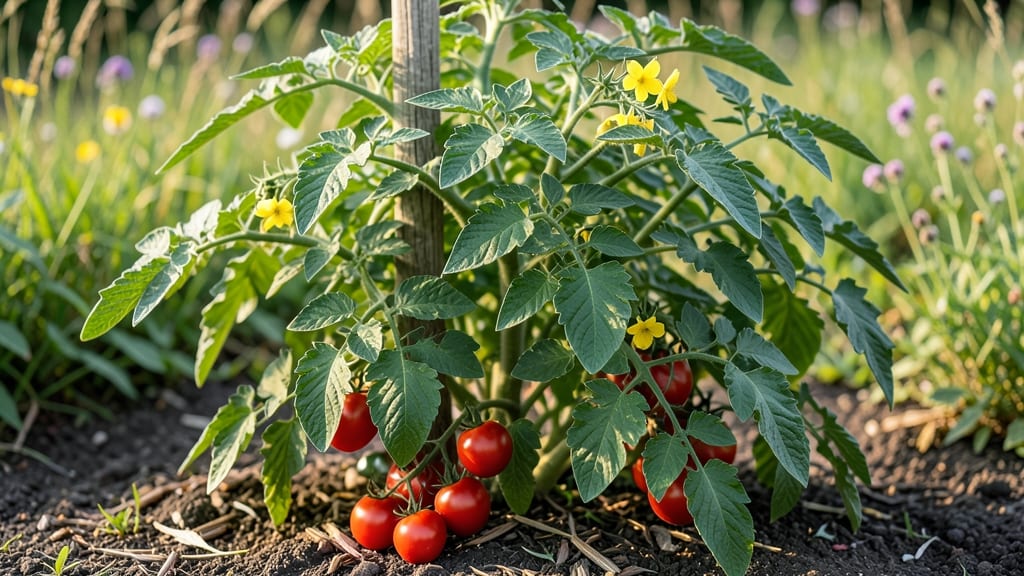
If your 🍅 plants are struggling to thrive—or worse, producing tiny, tasteless fruit—you might be missing the one critical factor they need: how much light does a tomato plant need to succeed.
Most gardeners assume "more is better," but the truth is more nuanced than simply sticking plants in the sunniest spot.
Tomatoes are sun-hungry plants, but they don’t just need any light—they demand 6 to 8+ hours of direct sunlight daily to grow strong, produce abundant fruit, and resist common diseases. Without enough light, your plants might stretch painfully toward the sky or fail to set fruit entirely.
The good news? With the right placement and a few smart adjustments, you can give your tomatoes exactly what they need—whether you're working with a backyard plot or a small balcony.
In this guide, I’ll break down exactly how much light tomatoes need at each growth stage, how to spot signs of light deficiency (like leggy stems or sparse flowers), and practical solutions to maximize sunlight—even in shady spots. Let’s get your plants the light they crave for a bountiful harvest.
From choosing the perfect location to supplementing with grow lights, you’ll discover the secrets to happy, productive tomatoes that keep bearing fruit all season long. Ready to transform your garden’s sunlight game?

Optimal sunlight hours for tomato plants by growth stage
Tomatoes are sun-worshippers, and their light needs change dramatically from seedling to fruiting. While 6-8 hours of sunlight is the golden rule for mature plants, seedlings and young plants need a gentler introduction to avoid sunburn. Understanding these stages helps you position your plants perfectly for maximum yield.
Seedlings thrive with 4-6 hours of filtered light to prevent stress. Once transplanted outdoors, they’ll need gradual acclimation to full sun. This process, called hardening off, ensures they don’t get shocked by intense rays. Skipping this step can lead to weak, leggy plants that struggle to support fruit.
During the vegetative stage (when plants focus on leaf and stem growth), aim for 6-7 hours of sunlight daily. This is when your tomato plants build the energy reserves needed for flowering. If light drops below 5 hours, growth slows dramatically, delaying fruit production by weeks.
Here’s how sunlight needs shift as your tomatoes mature:
| Growth Stage | Sunlight Requirement | Key Notes |
|---|---|---|
| Seedlings (Indoors) | 4-6 hours (filtered) | Use grow lights or south-facing windows; avoid direct sun. |
| Transplanting (Hardening Off) | Gradual increase to 6 hours | Expose to morning sun first; protect from afternoon heat. |
| Vegetative Stage | 6-7 hours daily | Focus on leaf and stem growth; critical for future fruit. |
| Flowering/Fruiting | 8+ hours (full sun) | Essential for pollination and fruit set; afternoon sun boosts sugar content. |
| Late Season | 6-7 hours (adjust for shade) | Protect from extreme heat; focus on ripening existing fruit. |
While 8+ hours of sunlight is ideal for peak production, tomatoes can tolerate 5-6 hours in partial shade, especially in hot climates where afternoon shade prevents sunburn. Varieties like ‘Solar Fire’ or ‘Mountain Merit’ handle partial shade better than heirlooms, which demand full sun.
Watch for southern exposure when planting—this maximizes sunlight hours. In northern climates, a south-facing slope can add critical extra light. If your garden lacks ideal sunlight, consider reflective surfaces like white mulch or mirrors to bounce light onto plants.
Overcast days? Don’t panic. Tomatoes are resilient and can handle partial cloud cover, but prolonged shade (under 4 hours daily) will stunt growth. Supplement with a grow light if indoor gardening, positioning it 6-12 inches above seedlings for 12-14 hours daily.
Pro tip: Rotate plants weekly to ensure even sunlight exposure. This prevents lopsided growth and ensures all sides get equal light, which is crucial for determinate varieties that grow in compact bushes versus indeterminate vines that climb.
🌱
Optimal sunlight hours for tomato plants by growth stage
Tomato plants are sun worshippers, and their light needs change dramatically from seedling to fruiting stage. Full sun—defined as 6-8+ hours of direct sunlight daily—is non-negotiable for healthy growth and maximum yields.
Without enough light, your plants will stretch toward the sky like they’re auditioning for a ballet, but with zero grace and all the drama.
For seedlings, start with 4-6 hours of bright light to avoid leggy growth. Once transplanted outdoors, they’ll need full sun immediately—no gradual adjustments. Flowering and fruiting stages demand the most sunlight, ideally 8+ hours, to power those energy-hungry tomatoes.
Think of it like charging a phone: skimp on the juice, and you’ll get weak performance.
Here’s how to match sunlight to your tomato’s growth stage—because too much shade is just as bad as too little sun.
| Growth Stage | Sunlight Needs | Key Notes |
|---|---|---|
| Seedlings (Indoor) | 4-6 hours bright light | Use grow lights 12-16 inches away; avoid direct sun to prevent burning. |
| Transplanting | Full sun (6+ hours) | Hardening off seedlings increases light tolerance; transplant on a cloudy day. |
| Vegetative Growth | 6-8 hours direct sun | Prioritize morning sun to prevent afternoon wilting in hot climates. |
| Flowering/Fruiting | 8+ hours full sun | Lack of light here = fewer tomatoes. Supplement with reflectors if needed. |
If your garden only gets partial shade (e.g., 4-6 hours of sun), opt for determinate varieties like ‘Roma’ or ‘Celebrity’—they’re more forgiving than indeterminate types like ‘Sungold’ or ‘Beefsteak’. But even then, move pots to sunnier spots or use reflective mulch to trick plants into thinking they’re getting more light.
Overcast days? Don’t panic. Tomato plants can handle 50-60% of full sun temporarily, but consistent shade will stunt growth and reduce fruit quality. If your tomatoes start looking sad (think: pale leaves, weak stems), it’s time to reassess their real estate—or invest in grow lights for indoor setups.
Pro tip: Monitor sunlight hours with a simple app or solar tracker.
Most gardens in Zones 5-8 get plenty of sun, but urban areas with tall buildings or dense foliage often fall short. South-facing gardens are goldmines, while north-facing spots may need creative solutions like vertical trellises to maximize light exposure.
🌱