
Plants
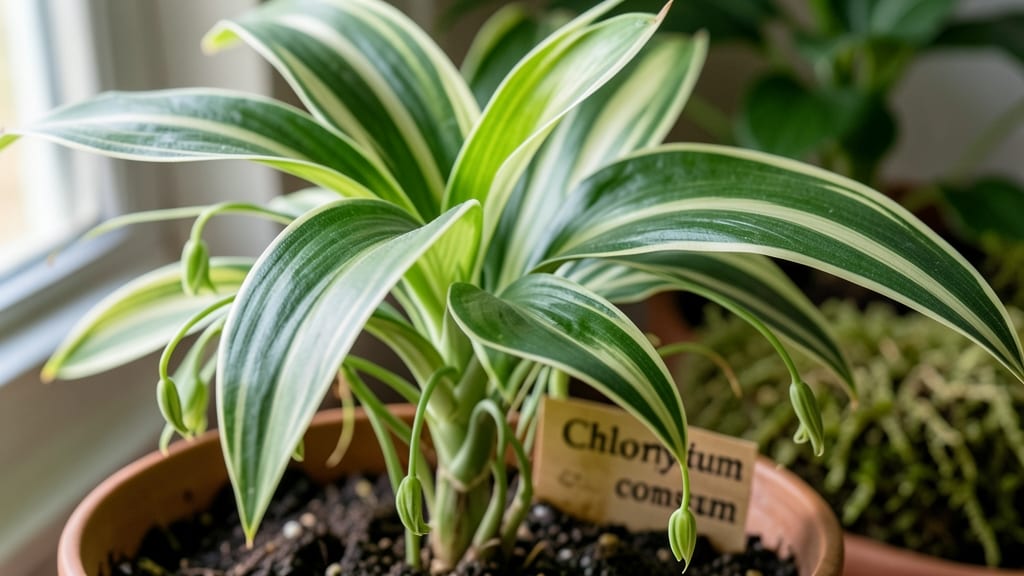
Wondering how much light does a spider plant need to stay happy and healthy? You're not alone—this is the #1 question I hear from new plant parents struggling to keep their 🌿 thriving.
The answer might surprise you: spider plants are tougher than you think, but they do have a sweet spot for light that keeps them lush and vibrant.
Most people assume these hardy plants can handle dim corners, but that’s where the trouble starts. Too little light leads to weak growth and leggy leaves, while too much direct sun can scorch those pretty variegated stripes.
The secret? 3-4 hours of bright, indirect sunlight per day—think east or west-facing windows where the light is gentle but abundant.
If your spider plant is looking a little sad, don’t panic. I’ll show you exactly how to spot light-related issues—like brown tips or stretched-out leaves—and how to adjust your setup in 3 simple steps.
Whether you’re dealing with a sunny apartment or a shady office, we’ll get your plant back on track.
Ready to transform your spider plant from struggling to stunning? Let’s dive into the lighting secrets that’ll have it thriving in no time—no green thumb required!

Spider plant light requirements: the ideal bright, indirect sunlight guide
If your spider plant (Chlorophytum comosum) is struggling, the issue likely starts with its light exposure. Unlike many houseplants, spider plants aren’t true low-light survivors—they crave bright, indirect sunlight to thrive.
Too little light leads to weak growth, while too much direct sun causes leaf scorch. Let’s break down the perfect lighting conditions for your plant’s health and happiness.
Most spider plants need 4-6 hours of bright, indirect light daily. This means placing them near an east- or west-facing window where sunlight filters through sheer curtains.
North-facing windows provide gentle light but may be too dim for long-term growth, while south-facing windows often deliver harsh afternoon sun that can damage leaves.
Here’s the key: brightness without direct rays. Think of it like a sun-dappled forest floor—enough light to fuel photosynthesis, but no scorching. Artificial light can supplement natural sources, especially in low-light homes, but we’ll cover that later.
For now, let’s focus on the ideal natural light setup.
🌿 Did You Know? Spider plants can tolerate lower light levels than many tropical plants, but they’ll grow slower and produce fewer spiderettes (those adorable baby plants). If your plant is leggy or pale, it’s begging for more bright, indirect light.
| Light Condition | Ideal Setup | Signs of Correct Light |
|---|---|---|
| Bright Indirect Light | East/west window, 2-3 ft away; sheer curtain filter | Dark green leaves, upright growth, frequent spiderettes |
| Low Light | North window or room corner; no direct sun | Pale yellow-green leaves, leggy stems, few spiderettes |
| Direct Sunlight | South window without filter; afternoon sun | Brown leaf tips, crispy edges, sunburn spots |
| Artificial Light | LED grow light, 6-8 inches above plant, 12-14 hrs/day | Healthy green leaves, consistent growth, no stretching |
One of the biggest light myths about spider plants is that they’re low-maintenance low-light plants. While they’re more tolerant than, say, a calathea, they’ll still stretch toward light (a condition called etiolation) if deprived.
This leads to weak stems and sparse foliage. Rotate your plant quarter-turns every 2 weeks to ensure even growth and prevent it from leaning toward one light source.
For outdoor growing, spider plants can handle partial shade in gardens, especially in USDA Zone 9+ where afternoon sun is intense. In cooler climates, bring potted plants indoors before temperatures drop below 50°F.
If you’re growing yours outside, choose a spot with morning sun and afternoon shade—this mimics their ideal indoor conditions.
Pro tip: If your home lacks natural light, grow lights are a game-changer. A simple 15-watt LED bulb placed 6-12 inches above your plant can provide the bright indirect light equivalent of a sunny windowsill.
We’ll dive deeper into artificial lighting solutions in the next section, but for now, focus on maximizing natural light first.
Remember, consistency is key. Spider plants adapt slowly to light changes, so if you move your plant to a brighter spot, monitor it for 1-2 weeks for adjustments. Sudden exposure to direct sunlight can cause shock, so ease it in gradually.
With the right light, your spider plant will reward you with lush green leaves and plenty of spiderettes to share with friends!
🌱
Signs your spider plant isn’t getting enough (or too much) light
Your spider plant might be silently screaming for help—through its leaves! Brown tips or yellowing foliage are classic signs of light stress. But don’t panic: these clues help you adjust placement fast. Let’s decode what your plant’s really saying.
Start with the leaves. If they’re dull green or stretched too long, your plant’s begging for more bright indirect light. This "leggy" growth means it’s reaching for light, like a child stretching toward a window. Move it closer to an east or west-facing window for instant improvement.
🌿
✅ TOO LITTLE LIGHT
- 🌱 Pale, weak leaves – Losing color from lack of energy
- 📏 Long, sparse stems – Stretching toward light sources
- 🔄 Slow growth – Fewer spiderettes (baby plants)
- 💧 Soft, mushy roots – Stressed from poor light
❌ TOO MUCH LIGHT
- ☀️ Brown, crispy edges – Sunburn from direct rays
- 🔥 Bleached or white patches – Light damage on leaves
- 🌡️ Wilted or drooping – Heat stress from over-exposure
- ✂️ Leaf scorch – Crunchy, dead spots on foliage
For too much light, the fix is simple: move your plant further from the window or add a sheer curtain to diffuse harsh rays. South-facing windows are the biggest culprits—direct sunlight will scorch those pretty variegated leaves faster than you can say "spiderette."
Pro tip: If your plant’s roots look dark brown or mushy, it’s a double warning—root rot from overwatering + poor light. Trim the bad roots and repot in well-draining soil to save it.
💡 Even with the right light, watering habits matter. Overwatering stressed plants (from bad light) drowns their roots. Let the top 1-2 inches of soil dry between waterings to keep roots happy.
🌱 Now you’re speaking spider plant! Watch those leaves perk up in 3-4 weeks once you nail the light. And if all else fails, a grow light (we’ll cover those next!) can be a lifesaver for low-light spaces.