
Plants
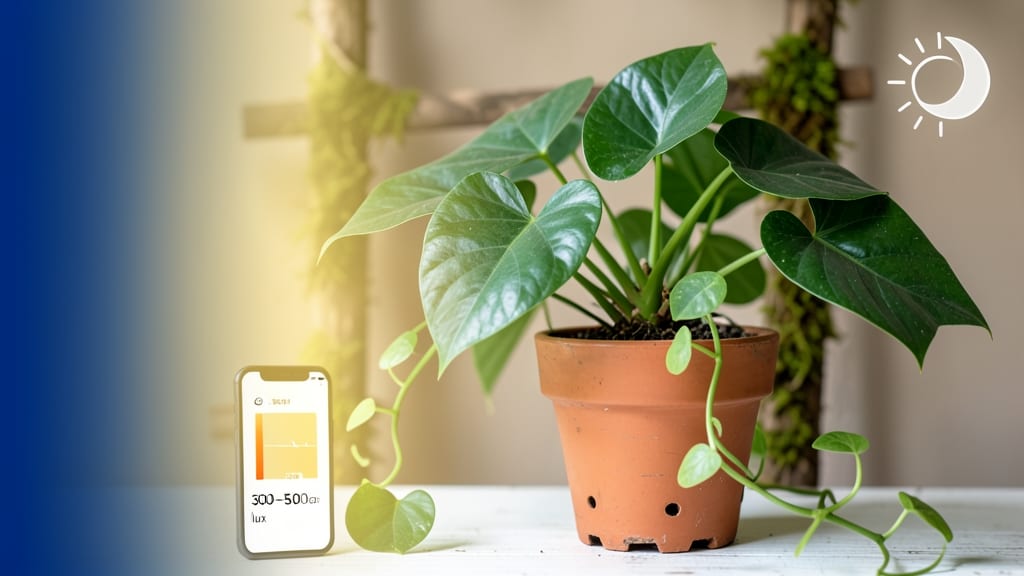
If your Philodendron 🌿 is struggling with yellow leaves or slow growth, the answer you need might be simpler than you think—how much light does a philodendron plant need? These tropical beauties thrive in bright, indirect sunlight, but too much direct sun can scorch their leaves while too little leaves them weak and leggy.
I’ve seen firsthand how a little adjustment in placement can transform a struggling plant into a vibrant, fast-growing showstopper. Whether you’re dealing with a dim corner or a sunny windowsill, understanding the ideal light conditions is the key to keeping your Philodendron happy year-round.
In this guide, I’ll break down exactly how much light your Philodendron needs, where to place it in your home, and how to spot signs of light stress before it’s too late. No more guessing—just lush, healthy growth every time.
Ready to give your plant the perfect spot? Let’s dive into the secrets of bright indirect sunlight and how to recreate it, even if your home doesn’t have ideal natural light.

Philodendron light requirements: the ideal bright indirect sunlight spectrum
Philodendrons thrive in bright indirect sunlight, making them perfect for homes with moderate natural light. Unlike sun-loving plants, they avoid direct rays that can scorch their delicate leaves.
Think of a dappled forest floor—that’s their ideal environment! Without proper light, you’ll see yellowing leaves or slow growth, while too much sun causes crispy brown edges.
Most philodendron varieties tolerate low to medium light, but their growth potential peaks with 4-6 hours of bright indirect light daily. This means placing them near east or north-facing windows works best, while west-facing spots may need filtering.
Even office spaces with fluorescent lighting can work if supplemented occasionally.
The key is understanding your philodendron’s photosynthesis efficiency. These plants evolved under tropical canopy cover, so their leaves are adapted to diffuse light. When light hits their large, waxy leaves, they convert it into energy without overheating—unlike succulents that crave intense sun.
🌿 Pro Tip: Rotate your plant every few weeks to ensure even growth. Uneven light exposure causes lopsided foliage, where one side stretches toward the window while the other remains sparse.
| Light Condition | Ideal Hours/Day | Signs of Stress | Best Placement |
|---|---|---|---|
| Low Light (<2,000 lux) | Survives with 2-4 hrs | Leggy growth, pale leaves | North-facing window, 6+ ft away |
| Bright Indirect (4,000-6,000 lux) | 4-6 hours daily | Healthy, vibrant foliage | East/west window, 3-6 ft away |
| Direct Sun (>10,000 lux) | Avoid prolonged exposure | Brown leaf tips, wilting | Sheer curtain filter or grow lights |
Your philodendron’s leaf color is a dead giveaway for its light needs. Dark green, glossy leaves mean it’s happy, while yellow or brown patches signal stress.
For example, Xanadu philodendrons (a popular variety) show off their striking variegation best in bright indirect light, while heartleaf philodendrons tolerate slightly lower light but grow slower.
Seasonal changes also affect light exposure. During winter months, shorter daylight hours mean you may need to supplement with a grow light for 12-14 hours daily. Conversely, summer’s intense rays require moving your plant away from south-facing windows to prevent leaf scorch.
💡 Science Note: Philodendrons have C3 photosynthesis, meaning they close their stomata (pores) under high light to prevent water loss. This is why they thrive in filtered light—they’re naturally adapted to avoid overheating, unlike C4 plants like corn that handle full sun.
If you’re unsure about your home’s light levels, use a light meter app (many are free) to measure lux levels. Aim for 4,000-6,000 lux for optimal growth. In dim offices, a 10W LED grow bulb placed 12 inches away can mimic natural light perfectly.
Finally, observe your philodendron’s growth patterns. Healthy vines grow 4-6 inches per month with new leaves unfurling every 2-3 weeks. If growth stalls or leaves appear small, it’s time to adjust its light exposure. The goal is balance—enough light for energy, but never so much that it causes stress.
How to adjust your home’s lighting for maximum philodendron growth
Philodendrons thrive in bright indirect sunlight, but not all homes offer the perfect spot. If your plant is struggling, it might be due to window direction, room placement, or seasonal light changes. The key is understanding how to maximize natural light while avoiding harsh rays that can scorch delicate leaves. Most philodendrons do well 3-6 feet from an east or west-facing window, where morning or afternoon sun is gentler. A north-facing window is ideal because it provides consistent, soft light without intense heat. If your home lacks natural light, grow lights can bridge the gap—just mimic the bright indirect conditions your plant craves. For south-facing windows, use sheer curtains or a light-colored blind to filter the sun. If your philodendron is near a glass door or patio, rotate it quarter-turn weekly to ensure even growth. Mirrors placed opposite windows can also bounce light deeper into the room, creating a second source of indirect illumination.If you’re dealing with deep shade, supplement with a full-spectrum LED grow light on a timer for 12-14 hours daily. Position it 12-18 inches above the plant and adjust height as it grows. Avoid incandescent bulbs—they emit too much heat and can damage leaves.
Seasonal changes matter too! In winter, when daylight is shorter, move your philodendron closer to the window or extend grow light hours. Conversely, in summer, increase distance from windows to prevent leaf bleaching or crispy edges.
Pro tip: Test your spot by placing your hand near the plant. If the light feels warm (like a summer day), it’s too intense. If it’s cool (like a cloudy afternoon), it’s perfect. Adjust until you find that sweet spot of bright indirect light—your philodendron will thank you with vibrant new leaves and rapid growth! 🌿✂️🪴