
Plants
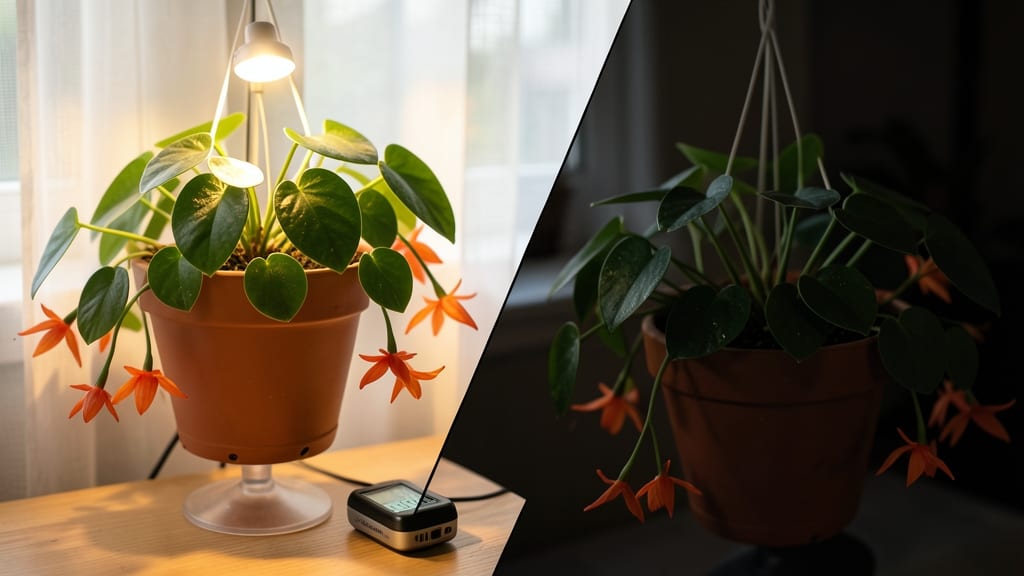
If your Goldfish Plant 🐟 looks more like a sad, leggy shadow than the vibrant showstopper you envisioned, you might be getting how much light does a goldfish plant need all wrong.
This stunning trailing beauty thrives in bright indirect light—but too much direct sun or dim corners can turn its gorgeous foliage into a pale, struggling mess.
You’re not alone if you’ve struggled to find the perfect balance. The key lies in mimicking its natural understory habitat, where dappled sunlight filters through leaves. Too little light, and your plant stretches desperately; too much, and those beautiful leaves crisp at the edges.
Let’s uncover exactly how much light your Goldfish Plant truly needs—and how to create the ideal conditions without guessing.
Whether you’re dealing with a south-facing window that’s too harsh or a shady corner that’s leaving your plant weak, I’ll walk you through the science and practical tips to get it right.
From identifying the perfect spot to supplementing with grow lights, you’ll learn how to transform your Goldfish Plant into a lush, thriving centerpiece that turns heads.
Ready to revive your plant’s vibrancy? Let’s dive into the light requirements that will have your Goldfish Plant 🐟 looking its absolute best—no more guesswork, just proven results for happy, healthy growth.

Ideal light requirements for goldfish plant growth: bright indirect sun explained
Your goldfish plant (Columnea microphylla) thrives in bright indirect light, mimicking its natural understory habitat. Unlike sun-loving plants, it avoids harsh direct rays that can scorch its delicate leaves and stems.
The key is finding that sweet spot where it gets plenty of light without the intense midday sun.
Think of it like a morning coffee—just enough warmth to energize without burning. East-facing windows provide perfect filtered sunlight for 4-6 hours daily, while north-facing windows offer gentler light all day. South or west windows? Use a sheer curtain to diffuse the intensity and prevent leaf bleaching.
Goldfish plants are photosynthesis powerhouses when given the right light spectrum. They prefer blue and green wavelengths (400-550nm) that promote compact growth and vibrant foliage. Insufficient light triggers etiolation—those long, weak stems with sparse leaves—while too much causes leaf burn and crispy edges.
Pro tip: Rotate your plant quarter-turn weekly to ensure even light exposure. This prevents lopsided growth and helps the plant develop a full, bushy shape. Place it 2-3 feet from an east-facing window for optimal results, especially during spring and summer when sunlight is strongest.
If you notice your goldfish plant leaning toward the light, it's a clear sign it needs to be repositioned closer to its light source. The goal is to provide consistent brightness without exposing it to the harsh afternoon sun, which can damage its delicate foliage and reduce its natural vibrancy.
For those with limited natural light, LED grow lights are a game-changer. Look for cool white or full-spectrum LEDs (5000-6500K) and position them 6-12 inches above the plant. Aim for 12-14 hours of light daily to mimic a longer growing season, especially in winter when daylight is shorter.
Remember, the healthier the light, the more vibrant your goldfish plant's foliage will be. The golden-yellow leaves and trailing stems are a direct result of proper light exposure—so don't skimp on this essential care factor!
🌱
Ideal light requirements for goldfish plant growth: bright indirect sun explained
The goldfish plant (Columnea microphylla) thrives under bright indirect light, mimicking its natural understory habitat. This means placing it near a window where sunlight filters through sheer curtains—think east or north-facing windows for consistent morning light without harsh afternoon rays.
Direct midday sun can scorch its delicate leaves, while too little light leads to sparse, weak growth.
For optimal photosynthesis, aim for 4-6 hours of filtered sunlight daily. The plant’s vibrant golden-yellow foliage fades to dull green under low light, signaling it’s time to adjust its position.
If your home lacks natural light, supplement with LED grow lights (5000-6500K) placed 12-18 inches above the plant for 12-14 hours daily.
| Light Condition | Ideal Placement | Effects on Plant |
|---|---|---|
| Bright Indirect Light | East/West window, 2-3 ft away | Vibrant foliage, compact growth |
| Low Light | North window or room corner | Leggy stems, pale leaves |
| Direct Sun | South window without filter | Brown leaf tips, crispy edges |
Rotate your goldfish plant every 2-3 weeks to ensure even light exposure and prevent lopsided growth. If you notice new growth leaning toward the light source, it’s a clear sign the plant needs to be repositioned.
Avoid placing it in dim corners or behind heavy curtains, as this can stunt its growth entirely.
In summer, watch for intense afternoon sun through south-facing windows. Use sheer curtains or a light-colored screen to diffuse the light while still allowing airflow. For indoor setups without windows, full-spectrum LED bulbs are your best bet—they replicate natural sunlight and encourage healthy foliage development.
Pro tip: Place your goldfish plant near a humidifier if your home is dry, as bright light increases transpiration. Aim for 40-50% humidity to keep leaves lush and prevent browning. Mist the foliage lightly in the morning to simulate dew and boost moisture levels naturally.
Remember, the goldfish plant’s vibrant colors are a direct result of proper light exposure. When happy, its leaves resemble tiny goldfish scales, earning its whimsical name. With the right light balance, you’ll enjoy a thriving plant that adds a pop of color to any room year-round.