
Plants
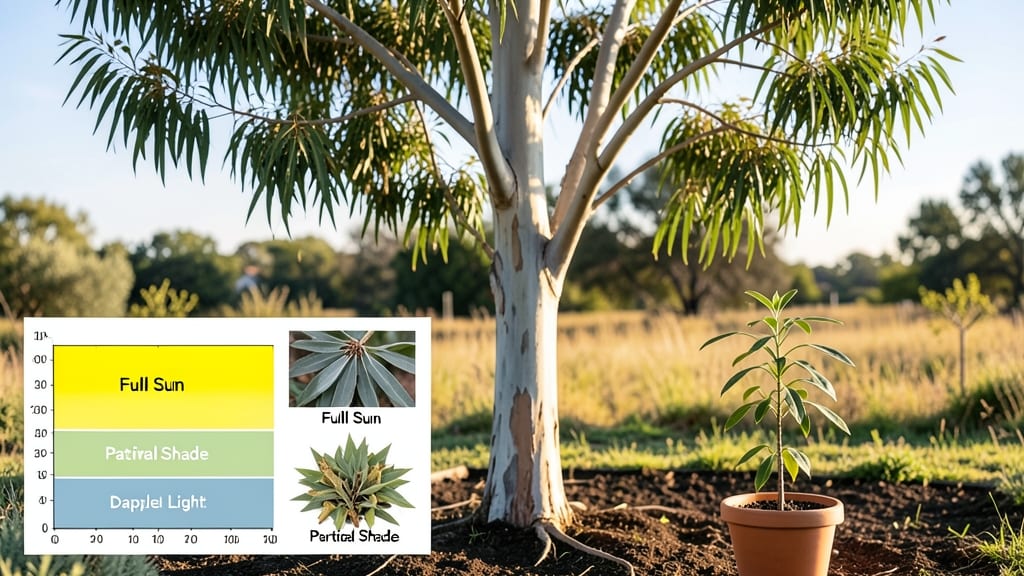
If your 🌳 eucalyptus plant looks lackluster or struggles to grow, the answer might be simpler than you think—it's all about how much light does a eucalyptus plant need. These towering beauties thrive under bright, unfiltered sunlight, but too much or too little can spell disaster for their health.
Eucalyptus trees are sun worshippers, craving at least 6 hours of direct sunlight daily to fuel their rapid growth and keep those signature silvery-blue leaves vibrant. Without enough light, you’ll notice weak stems, sparse foliage, or even yellowing leaves—clear signs your plant is begging for more brightness.
But here’s the catch: while eucalyptus loves sunlight, it’s not a fan of scorching midday heat in hot climates. Learning how to balance light exposure—whether you’re growing it outdoors in USDA Zone 6a or indoors near a sunny window—is the key to keeping your eucalyptus healthy and thriving.
In this guide, I’ll break down exactly how much sunlight your eucalyptus needs, how to spot signs of light stress, and practical tips to adjust care based on your climate or indoor setup. Let’s get your eucalyptus the perfect glow!

Eucalyptus sunlight requirements: the ideal light balance for growth
Eucalyptus plants are sun worshippers, thriving best when basking in full sunlight for at least 6 to 8 hours daily. As a native of Australia’s sun-drenched landscapes, this fast-growing tree relies on abundant light to fuel its rapid growth and iconic silver-blue foliage.
Without enough sunlight, your eucalyptus will stretch toward light, grow leggy, and produce sparse, weak leaves.
Most eucalyptus varieties—like the popular Eucalyptus globulus (blue gum) and Eucalyptus pauciflora (snow gum)—demand direct sunlight to maintain their vibrant color and dense canopy. Even partial shade can slow growth and dull their signature hues.
Think of sunlight as eucalyptus’s fuel source: the more, the merrier, up to a point.
However, not all eucalyptus species are created equal. Some tropical varieties (like Eucalyptus citriodora) can tolerate bright, indirect light in hot climates, while mountain species (like Eucalyptus delegatensis) may handle morning sun with afternoon shade in cooler regions.
Understanding your specific variety’s needs is key to avoiding common pitfalls like leaf scorch or stunted growth.
🌳
Eucalyptus Light Requirements by Variety
| Variety | Ideal Sunlight | Shade Tolerance | Growth Impact |
|---|---|---|---|
| Eucalyptus globulus (Blue Gum) | 6–8+ hours full sun | Low (leggy growth) | Rapid, dense foliage |
| Eucalyptus pauciflora (Snow Gum) | 5–6 hours full sun | Moderate (afternoon shade OK) | Compact, cold-hardy growth |
| Eucalyptus citriodora (Lemon-scented) | 6+ hours full sun | Low (bright indirect only) | Aromatic leaves, fast growth |
| Eucalyptus delegatensis (Tasmanian Oak) | 4–6 hours sun (morning best) | High (cooler climates) | Slow, sturdy growth |
Sunlight isn’t just about quantity—it’s also about quality. Eucalyptus plants thrive under bright, direct rays, especially during their active growing seasons (spring and summer). The intensity of sunlight affects their photosynthesis efficiency, which directly impacts leaf production and overall vigor.
For example, Eucalyptus globulus can handle intense midday sun in coastal climates, while mountain varieties may suffer from leaf burn if exposed to harsh afternoon rays.
One of the biggest mistakes I see is assuming all eucalyptus varieties have the same light needs. Overwatering a sun-loving eucalyptus in low-light conditions can lead to root rot, while underwatering a plant in full sun causes leaf drop.
Always match your watering routine to the sunlight your eucalyptus receives—more sun means more water (but only when the soil is dry).
If you’re growing eucalyptus in a container or indoors, supplemental grow lights can help bridge the gap. Place your plant near a south-facing window or use LED grow lights for 12–14 hours daily to mimic natural sunlight.
Just avoid placing it in direct afternoon sun through glass, which can create a greenhouse effect and scorch leaves.
🌿
To determine if your eucalyptus is getting the right amount of light, observe its leaves and growth pattern. Healthy eucalyptus has vibrant, upright leaves with a silvery-blue hue. If leaves turn yellow or brown at the edges, it’s a sign of too much sun or drought stress.
Conversely, pale, stretched-out leaves indicate insufficient light. Adjust gradually—eucalyptus can’t handle sudden changes in light exposure, which can cause leaf drop or stunted growth.
Pro tip: If you’re transitioning a eucalyptus from indoor to outdoor or moving it to a sunnier spot, acclimate it slowly over 7–10 days. Start with morning sun only, then gradually increase exposure. This hardening-off process prevents sunburn and ensures your plant adjusts smoothly to its new light conditions.
How to adjust sunlight for different eucalyptus varieties and seasons
Not all eucalyptus varieties thrive equally under the same sunlight conditions. For example, Eucalyptus globulus (the classic tall eucalyptus) demands full sun exposure—think 6-8 hours daily—while Eucalyptus pauciflora (snow gum) can tolerate partial shade, especially in hot climates.
Understanding these differences helps you tailor care to your specific plant’s needs and avoid common mistakes like sudden sunburn or stunted growth.
Seasonal changes also play a critical role. In summer months, eucalyptus plants often need afternoon shade to prevent leaf scorch, especially in regions with intense afternoon sun. Meanwhile, winter sunlight is gentler, allowing more direct exposure without risk.
Gradually acclimating your plant to these shifts—like moving it to a sunnier spot in spring—prevents shock and promotes steady growth.
If you’re growing eucalyptus indoors, mimic outdoor sunlight by placing it near a south-facing window or using grow lights for 12-14 hours daily. Indoor varieties like Eucalyptus gunnii (cider gum) adapt well to indoor conditions but still need bright, indirect light.
Without enough light, you’ll notice pale, leggy growth and fewer aromatic leaves, which are the plant’s signature feature.
Moving a shade-acclimated eucalyptus directly into full sun can cause severe leaf burn within days. Always introduce new light conditions gradually—start with 2-3 hours of morning sun and increase by 1 hour daily until reaching the desired exposure level.
For outdoor eucalyptus, pruning young plants can help manage sunlight exposure. Thinning dense foliage allows better air circulation and ensures inner branches receive adequate light. This is especially important for container-grown eucalyptus, which may outgrow their pots quickly without proper light access.
Always prune in early spring to encourage vigorous new growth before the peak sunlight season.
In cooler climates (USDA Zones 7-9), eucalyptus may benefit from winter protection, such as wrapping the trunk with burlap or using a lightweight frost cloth during unexpected cold snaps.
While eucalyptus is drought-tolerant, reduced sunlight in winter can slow growth, so supplement with a balanced fertilizer in early spring to kickstart new foliage production.
Pay attention to your eucalyptus’s leaf color and growth rate as indicators of light success. Healthy leaves should be deep green and glossy, while yellowing or brown edges signal either too much sun or insufficient light.
Adjusting your approach based on these visual cues ensures your eucalyptus stays vibrant and thriving year-round.