
Plants
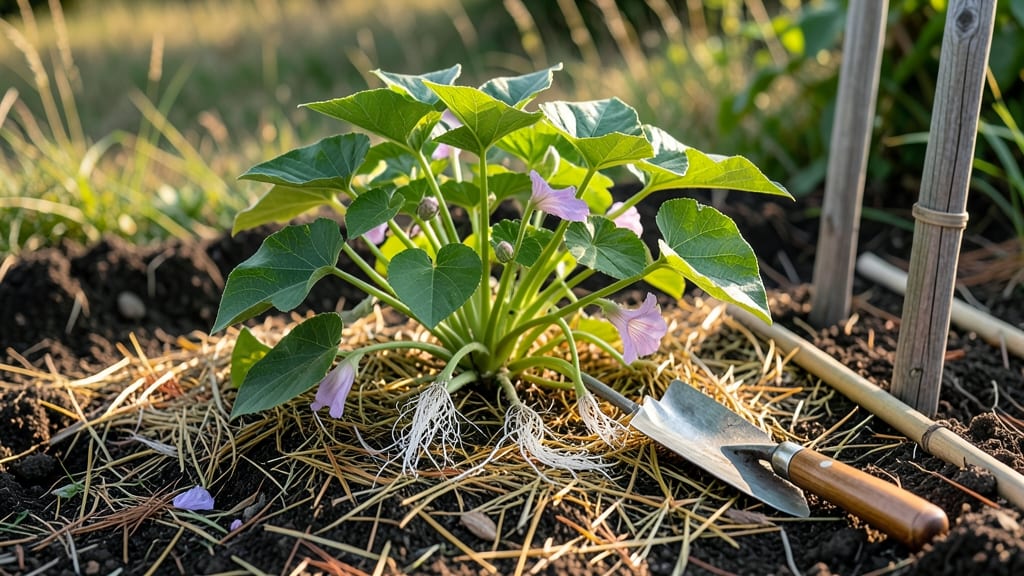
Planting sweet potatoes in Alabama at the wrong time can turn your garden dreams into a flop—especially when you're just 100 days away from harvest. These heat-loving tubers need warm soil and consistent temperatures to thrive, and Alabama’s 7b-8a climate zones create a narrow window where everything aligns perfectly.
If you’ve ever wondered why your 🍠 slips wilt or your tubers stay small, the answer likely lies in timing. The key is planting between late April and early June, when soil temperatures reach at least 65°F and the last frost has vanished from your calendar.
But here’s the catch: rushing too early can expose young plants to chilly nights, while waiting too long might shorten your growing season.
I’ll break down the exact planting timeline for your region, including soil prep tricks to boost your yield and common pitfalls to avoid. Whether you’re a first-time gardener or a seasoned grower, these insights will help you maximize your harvest before Alabama’s first frost rolls in.
Ready to turn your patch of dirt into a sweet potato goldmine? Let’s dive into the heat-zone secrets that separate a good crop from a great one.
Alabama heat-zone planting timeline for sweet potatoes: exact dates by region
Alabama’s warm climate and long growing season make it ideal for sweet potatoes, but timing your planting by heat zone ensures maximum yield. The state spans USDA zones 7b to 8b, with frost-free dates ranging from mid-March in southern regions to late March in northern areas.
Planting too early risks frost damage, while late planting shortens the harvest window.
Most Alabama gardeners use slips (young plants) instead of seeds, as they mature faster and produce larger tubers. Slips thrive when soil temperatures reach at least 65°F, which typically occurs in late April to early May across most of the state.
For northern Alabama (zone 7b), aim for mid-May to avoid late frosts, while southern Alabama (zone 8b) can start as early as late March.
Here’s your heat-zone breakdown for planting sweet potatoes in Alabama, including soil temperature targets and ideal transplant windows to optimize your harvest:
For extended harvests, consider planting slips in two batches: one in late April and another in early June.
This staggered approach spreads out your yield and reduces the risk of losing an entire crop to late-season diseases or hurricane damage, which is more common in Alabama’s humid summers.
If you’re growing from seeds instead of slips, start them indoors 8–10 weeks before your last frost date. Alabama’s short growing season (about 100–120 days to harvest) means seeds must be transplanted outdoors as slips by mid-May at the latest for a successful harvest before frost.
Monitor your local Alabama Agricultural Extension updates for real-time frost advisories, as microclimates in the state can vary significantly. For example, mountainous areas like the Appalachian foothills may experience earlier frosts than coastal regions, requiring adjustments to your planting schedule.
Once your slips are in the ground, focus on consistent soil moisture and mulching to retain heat and prevent cracking. Sweet potatoes need 6–8 hours of sun daily, so choose a south-facing plot with well-draining soil to avoid waterlogged tubers—a common issue in Alabama’s clay-heavy soils.
Pro tip: Use a soil thermometer to confirm your soil has reached 65°F before planting slips. Cold soil slows growth and increases the risk of root rot, a major threat in Alabama’s humid summers.
With the right timing, your sweet potatoes will thrive in Alabama’s heat, delivering sweet, homegrown tubers from late summer through fall—just in time for your favorite seasonal recipes.
Alabama heat-zone planting timeline for sweet potatoes: exact dates by region
Alabama’s diverse climate—spanning USDA zones 7b to 9b—means your sweet potato planting window varies by region. In northern Alabama (7b-8a), like Huntsville or Decatur, you’ll want to plant slips (young plants) after the last frost, typically mid-April to early May.
Meanwhile, in southern Alabama (8b-9b), such as Mobile or Dothan, you can start as early as late March when soil temperatures hit 65°F.
Sweet potatoes need 90-120 warm days to mature, so timing is critical. Planting too early risks cold soil, which stunts growth, while waiting too late cuts harvest time short. Use a soil thermometer to confirm readiness—65°F+ soil is non-negotiable for healthy tuber development.
| Region | USDA Zone | Planting Window | Soil Temp Requirement | Harvest Window |
|---|---|---|---|---|
| Northern AL (Huntsville, Birmingham) | 7b-8a | Mid-April to early May | 65°F+ | Late October to November |
| Central AL (Montgomery, Auburn) | 8a-8b | Late March to mid-April | 65°F+ | Mid-October to November |
| Southern AL (Mobile, Dothan) | 8b-9b | Late March to early April | 65°F+ | Early October to November |
If you’re growing from seeds (not slips), start them indoors 8-10 weeks before your last frost date. Seedlings need warmth to germinate, so use a heat mat if your home is chilly.
For most of Alabama, this means sowing seeds indoors by late February and transplanting outdoors in May.
Pro tip: Use black plastic mulch to warm soil faster and suppress weeds. This trick extends your planting window by 1-2 weeks in cooler zones. Just lay it down 2-3 weeks before transplanting slips to give the soil a head start.
Missed the spring window? Don’t worry—Alabama’s long growing season allows for a second planting in early June, though yields may be smaller. Just ensure you have 100+ days until your first frost to harvest mature tubers.
Watch for sweet potato weevils after planting, especially in humid southern zones. Rotate crops yearly to prevent soil-borne diseases like black rot, which thrives in Alabama’s damp summers.