
How To
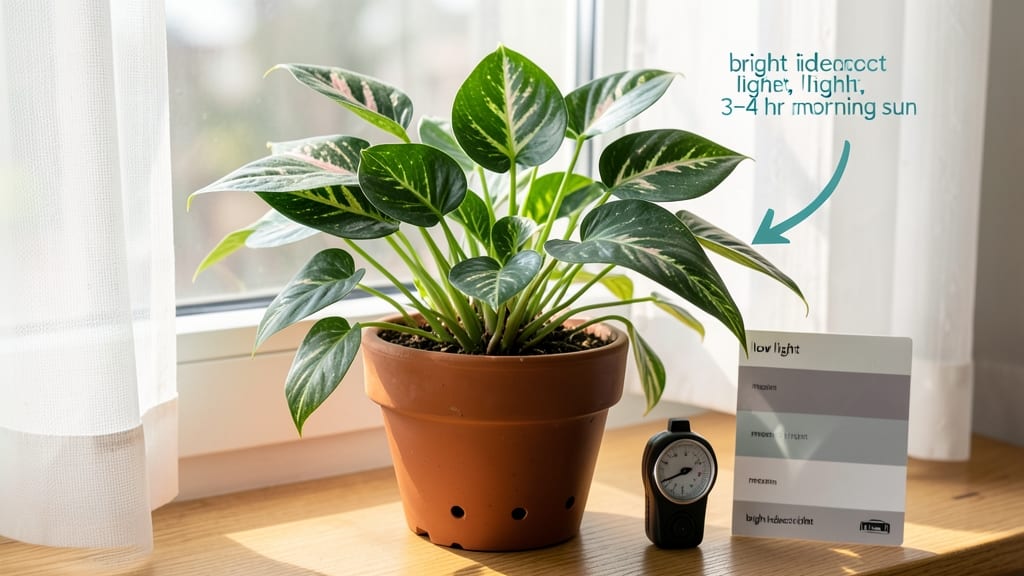
If you're wondering how much light does an arrowhead plant need 🌿 and it’s throwing a tiny plant tantrum—yellow leaves, stretched stems, or just not growing—light could be the sneaky culprit. These tropical beauties thrive in bright indirect sunlight, but too much or too little throws them off balance.
Picture this: your arrowhead plant basking in 4-6 hours of gentle morning light, its leaves perking up like they’ve just won an award. That’s the sweet spot for lush, healthy growth. Too little light, and it’ll stretch toward the window like a sleepy cat reaching for the sun.
But here’s the thing—most of us don’t have a sunroom, and direct sunlight can fry those delicate leaves faster than you can say "oops." I’ll show you exactly how to tweak your setup, whether you’re dealing with a dim corner or a south-facing window that’s too intense.
By the end, you’ll know the exact light conditions your arrowhead plant craves and how to fix common mistakes—no guesswork, just happy plants. Let’s get started!

Ideal light requirements for arrowhead plants: bright indirect sunlight explained
The arrowhead plant (Syngonium) thrives on bright indirect sunlight, making it perfect for indoor gardeners with limited direct sun exposure. Unlike sun-loving plants, arrowheads despise harsh rays that can scorch their leaves and cause irreversible damage.
Think of it as a plant that enjoys a sunny day at the beach—bright but filtered through trees or sheer curtains.
In nature, arrowhead plants grow under the canopy of tropical forests, where dappled sunlight creates the ideal growing conditions. Replicating this environment indoors ensures your plant stays vibrant, compact, and healthy.
A south-facing window can work, but only if you place the plant a few feet away to diffuse the intensity.
Here’s the light spectrum breakdown for your arrowhead plant’s happiness:
| Light Condition | Ideal Placement | Growth Impact |
|---|---|---|
| Bright Indirect Light | East or north window, 2-3 ft away | Healthy, compact growth |
| Low Light | Corner away from windows | Leggy, sparse growth |
| Direct Sunlight | South/west window, no filter | Brown leaf tips, burns |
During spring and summer, your arrowhead plant can handle slightly more light, but always monitor for signs of stress. In winter, when natural light dims, supplement with a grow light if leaves start stretching toward the window—a classic sign of etiolation (weak, elongated growth).
Watch for these tell-tale signs of light issues:
- Yellowing leaves: Too much direct sun or overwatering in bright light.
- Brown crispy edges: Sunburn from intense afternoon rays.
- Pale, stretched stems: Not enough light (the plant reaches for more).
If your arrowhead plant develops brown patches or drooping leaves, it’s likely getting too much direct sunlight. Move it to a spot with filtered light immediately. For leggy growth, the issue is insufficient light—consider a grow light or relocating closer to a window.
Pro tip: Rotate your plant quarter-turns every 2-3 weeks to ensure even light exposure. This prevents one side from becoming lopsided or overly exposed, keeping your arrowhead plant’s foliage symmetrical and lush. 🌿
Ideal light requirements for arrowhead plants: bright indirect sunlight explained
Your arrowhead plant (Syngonium) thrives in bright indirect sunlight, making it perfect for indoor spaces near windows. Unlike sun-loving plants, it avoids harsh rays that can bleach or scorch its leaves. Think of it like a tropical understory plant—it mimics the dappled light found beneath forest canopies.
The ideal light range for arrowhead plants falls between 1,000–2,000 foot-candles of light intensity. This translates to placing your plant 2–3 feet from an east or north-facing window, where morning light is gentle and afternoon sun is diffused. South-facing windows can work but require sheer curtains to filter intensity.
🌿
| Light Condition | Description | Signs of Stress |
|---|---|---|
| Bright Indirect Light | East/west window, 2–3 ft away; filtered south light | Healthy green leaves, compact growth |
| Low Light | North window or deep indoors; <1,000 foot-candles | Leggy stems, small leaves, pale color |
| Direct Sunlight | South window without filter; >3,000 foot-candles | Brown leaf tips, crispy edges, yellow patches |
Seasonal adjustments are key to keeping your arrowhead plant happy. In spring and summer, when sunlight is intense, move your plant further from the window or use light-colored curtains to diffuse rays.
During fall and winter, supplement with a grow light if natural light drops below 1,000 foot-candles, especially in USDA Zone 6a where shorter days reduce exposure.
Watch for visual cues like yellowing leaves, which signal too much light, or stretched stems, a cry for more brightness. Rotate your plant quarter-turns weekly to ensure even growth and prevent lopsided exposure. This simple habit mimics natural light shifts and keeps foliage lush and symmetrical.
For optimal growth, aim for 4–6 hours of indirect light daily. If your home lacks natural light, a south-facing window with sheer curtains is the next best option.
Avoid placing your arrowhead plant in dim corners or behind heavy blinds—these spots can stunt its growth and dull its vibrant foliage.
🌱